

How to Become an RN: Steps, Education Requirements, and Fast-Track Nursing Paths
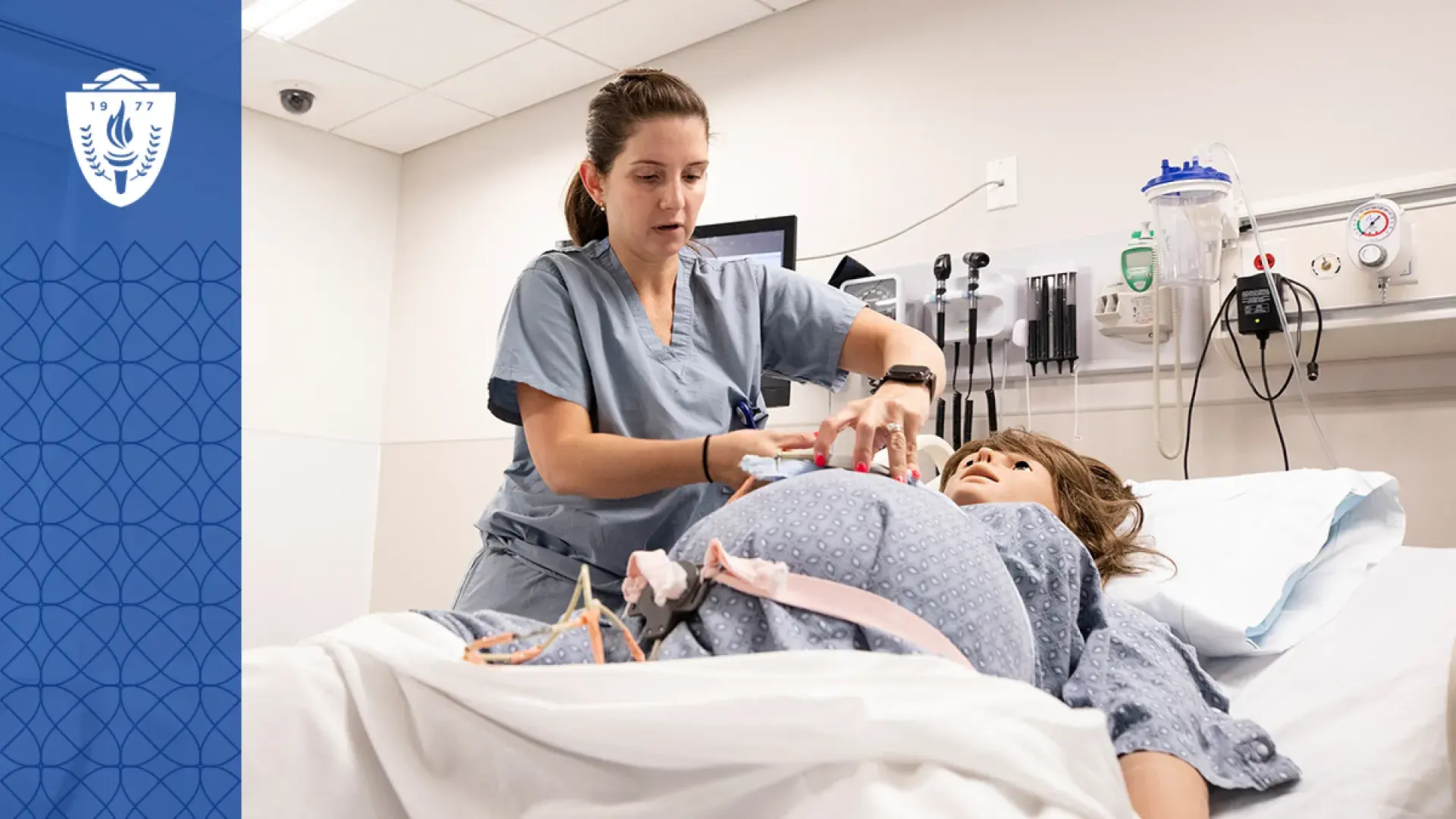


Learn more about the benefits of a 12-month nursing program
To enter the nursing profession on an accelerated path (ABSN), you'll need to start with a bachelors degree in any subject. Depending on the subject of your bachelors, you might need to take some new prerequisite courses. During the 12 months of schooling, you'll experience a combination of classroom instruction, laboratory work, and clinical rotations. It can be quite intense, and our student success counselors recommend you not try and hold another job while in the nursing program. Any accelerated program should offer focused education to prepare you for the National Council Licensure Examination for Registered Nurses, which you must pass to work as a registered nurse.
In 2026, the demand for qualified nurses remains consistently high. While it may seem like a year will not be enough time to learn all you need to, accelerated programs recognize your previous undergraduate education and focus on nursing-specific coursework and clinical experiences to maximize your time.
Steps to Become a Registered Nurse
Before enrolling in an ABSN program, consider the following prerequisites:
- Bachelor’s Degree: In any field other than nursing.
- Prerequisite Courses: Including subjects like biology, chemistry, and anatomy, which may vary by program. At our school, prerequisite coursework must be completed with a minimum letter grade of C+ or higher and within the past 7 years.
- GPA Requirements: Most programs require a minimum GPA, often around 3.0.
Expect a demanding but rewarding experience during your year of school, including:
- Intensive Coursework: High volume of material covered in a short period. Study habits may be different than during your previous degree(s). Study a little each day, and do not try to write everything down in lecture. For example, use Learning Objectives, offered in every MGH IHP course, to review the expectations regarding content in the course and prepare for class.
- Clinical Rotations: Real-world experience under the supervision of experienced nurses.
- Curriculum: A combination of classroom instruction, laboratory work, and clinical rotations.
- NCLEX-RN Preparation: Focused education to prepare for the National Council Licensure Examination for Registered Nurses. At the IHP, our students achieve a 91% first-time pass rate on the NCLEX (5-year average), surpassing both state and national averages.
Graduates of a 12-month nursing program can look forward to:
- Diverse Employment Opportunities: In hospitals, clinics, public health, and specialized areas. Our graduates enjoy a remarkable 95% year over year average employment rate, many within the Mass General Brigham system.
- Competitive Salaries: Due to the high demand for qualified nurses.
- Continued Education Options: Opportunities for advanced degrees and specializations.
Is the Fastest Pathway to Becoming an RN the Right Pathway?
When selecting a one-year nursing program, consider:
- Accreditation: Look for programs accredited by the Commission on Collegiate Nursing Education (CCNE) or the Accreditation Commission for Education in Nursing (ACEN).
- Program Format: Some programs offer online, in-person, or hybrid formats.
- Clinical Rotations: Ensure the program provides diverse and comprehensive clinical experiences. In MGH IHP's three-semester program, all ABSN students experience clinical rotations at Mass General Hospital. You'll be taught by expert faculty, most of whom continue to practice clinically as registered nurses and nurse practitioners.
- Support Systems: Academic support coaches and workshops to assist in areas like test-taking and organization, crucial for success in such an intensive program.
Preparing for an Accelerated BSN Program
To successfully embark on this journey, consider the following preparation steps:
- Financial Planning: Be prepared for the tuition and potential loss of income during the intensive study period. An ABSN program should be treated like a full-time job.
- Time Management: Develop a plan to balance studying, clinical hours, and personal responsibilities.
- Emotional Readiness: Prepare for the rigorous demands of an accelerated learning environment.
Career Opportunities After Graduation
A 12-month nursing program provides a unique opportunity for those with a bachelor's degree in another field to swiftly transition into a career in nursing. With intensive coursework, clinical experiences, and support systems like those offered here at the MGH Institute of Health Professions, graduates are well-prepared to enter the workforce as competent, caring, and skilled nurses. If you're considering a career change into nursing, this accelerated path is an efficient and effective way to achieve your professional goals.
Related Articles
Celebrating Careers, Community, and Lasting Impact
Thu, 06/25/2026
ABSN Students Hold Health Fairs for Elementary School Kids
Thu, 06/25/2026
Student Achievements Recognized at Award Ceremonies
Tue, 05/12/2026