Learn healthcare the way it’s delivered — collaboratively.

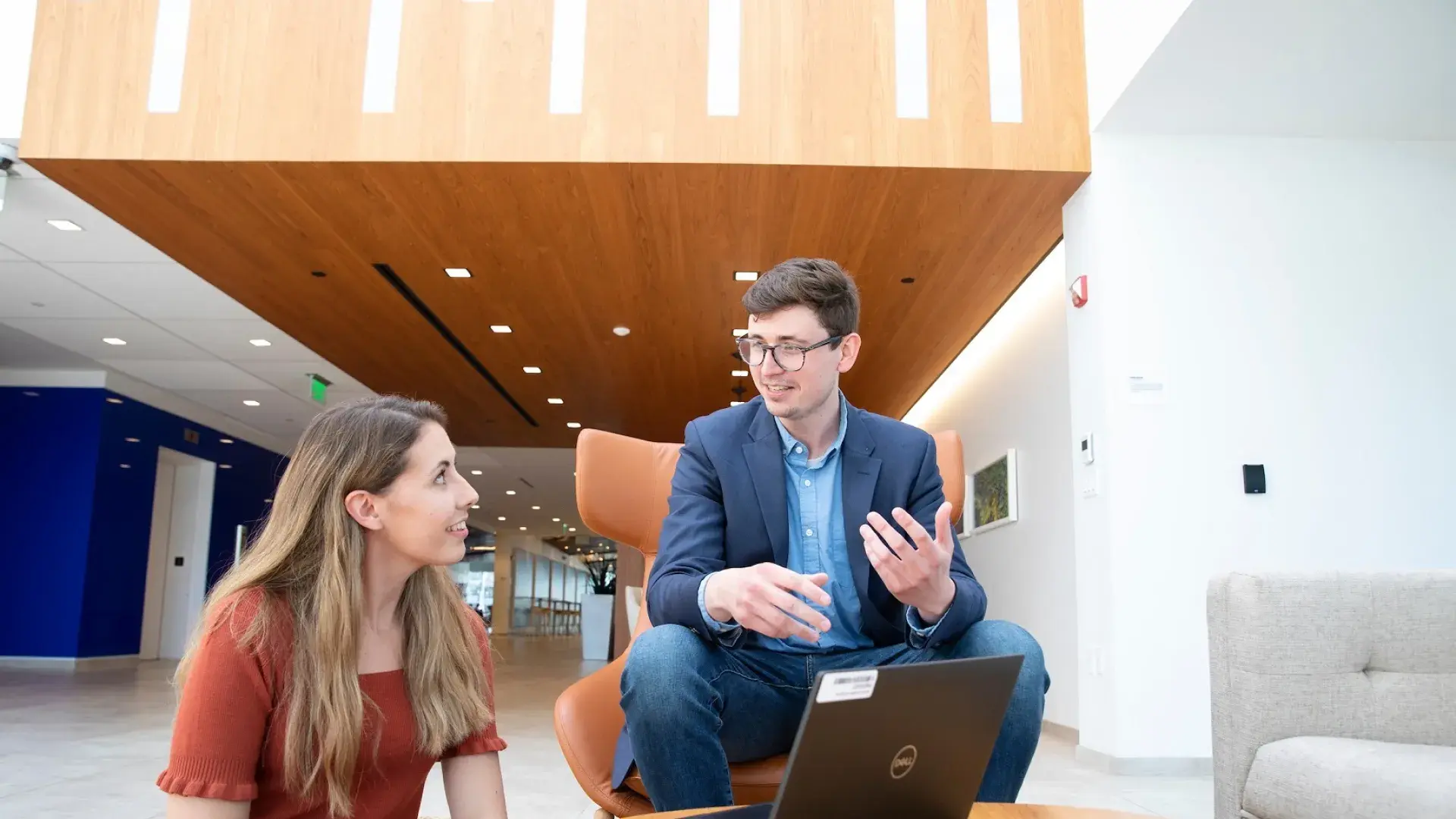
Patient care is complex. To help break down these complexities, it is critical for care teams to understand the needs and responsibilities within each member's area of practice. High-functioning teams can upgrade the patient and family experience and decrease costs while insulating clinicians against burnout. We've been committed to interprofessional education for over 40 years through innovative curriculum design, clinical experiences in our Sanders IMPACT Practice Center, events and projects. From classrooms to clinics to research, students learn to lead and collaborate across disciplines for better patient outcomes.


Embedded in our DNA

By threading interprofessional competencies through all programs of study, interprofessional collaboration is seen as a core element of what it means to be an effective health professional.

10,000

average hours of care in our interprofessional IMPACT Center
  • Groups of 5-6 students from across the health professions collaborate in a required sequence of three 1-credit courses.
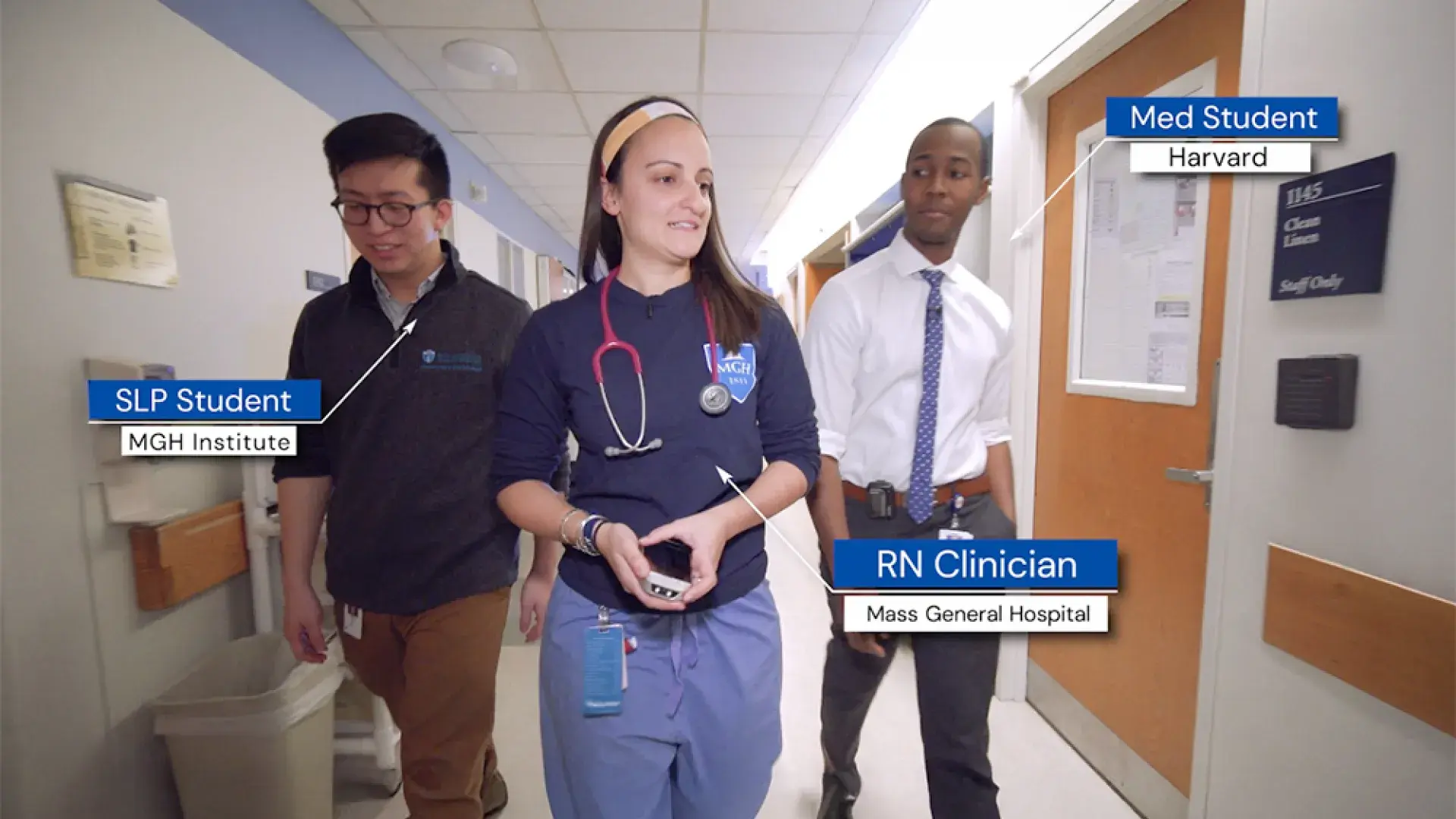
  • Students train at Massachusetts General Hospital in Interprofessional Dedicated Education Units, collaborating with Harvard Medical School peers and clinicians across disciplines to experience patient-centered acute care and experience the value of interprofessional practice.
  • Interprofessional team-based experiences strengthen our students' ability to provide patient-centered care across diverse healthcare settings.
  • Our Speech-Language Pathology Doctorate is the only program in the U.S. with a dedicated interprofessional focus.
three students walk down a hospital hallway

Cradles to Crayons 3
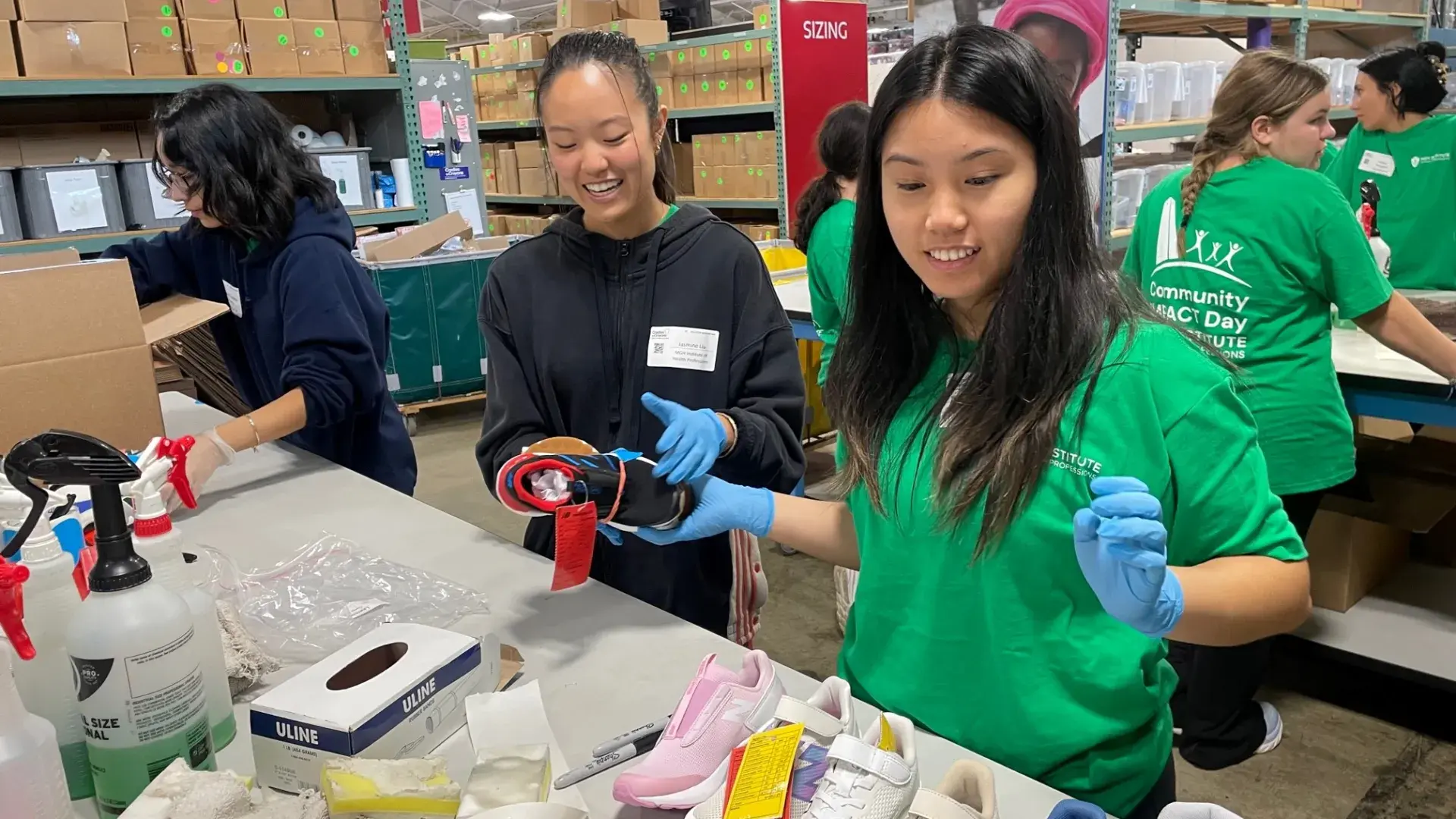
MGH Institute students Sarah Cristina Panera (l), Jasmine Liu (center) and Angela Yang sort children’s shoes at Cradles to Crayons in Newton. They were among more than 500 students who took part in the Institute's annual Community IMPACT Day on Friday.

Coming Together for Service and The Greater Good