Career Paths for Audiology Assistants: Where Can This Role Take You?


Audiology is a field shaped by specialized technology, growing patient needs, and rising demand for hearing healthcare. For many people, entering this profession starts with an audiology assistant certification. This foundation offers a practical way to learn core skills, support patient care, and join a field where meaningful work directly improves quality of life.
As more clinics integrate assistants into their teams, the role offers strong career momentum. Whether you plan to work in clinical practice, specialize in hearing technology, move into research, or pursue an advanced degree, audiology assistant jobs provide clear pathways for growth.
A Strong Start in Clinical Practice
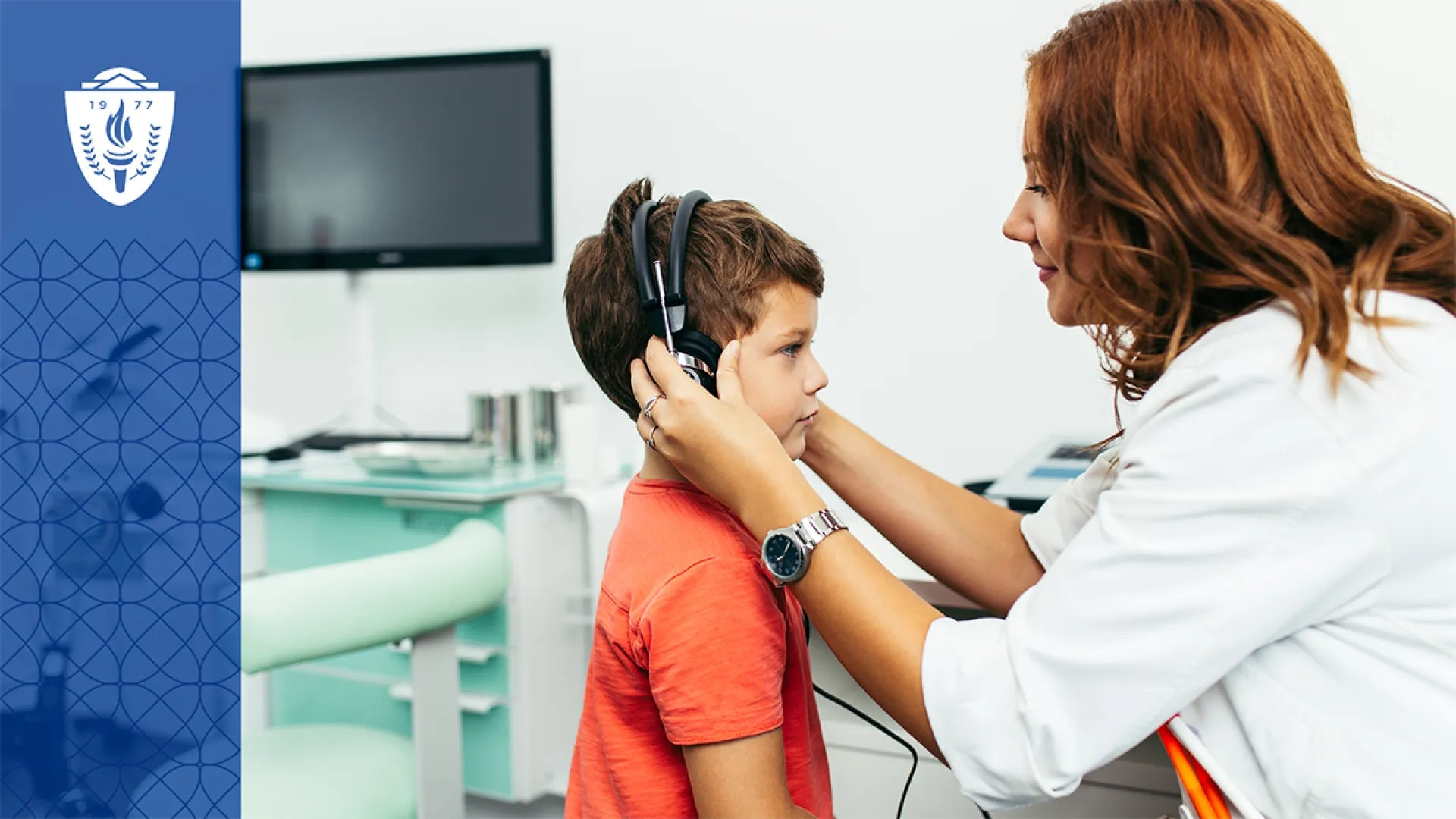
Many assistants begin their careers in audiology clinics, ENT practices, hospitals, or community health centers. They help prepare patients for hearing tests, manage equipment, support hearing aid maintenance, and ensure clinical operations run smoothly. These responsibilities help new professionals build confidence, understand patient needs, and follow the pace of everyday audiology work.
This exposure offers an inside view of how audiologists evaluate hearing, diagnose conditions, and support long-term treatment plans. Assistants gain experience that strengthens teamwork and makes them valuable contributors in fast-paced settings.
Opportunities in Hearing Technology
Modern audiology requires specialized equipment, software, and tools to provide effective intervention. This creates opportunities for assistants to specialize in technology support. These pathways include roles focused on hearing aid troubleshooting, real-ear measurement assistance, device programming support, and patient education.
With experience, some assistants move into positions with hearing aid manufacturers or distributors. These roles may involve product training, customer support, or field-based technical liaison work, which broadens professional networks across the industry.
Research and Academic Roles
Audiology research touches hearing science, pediatrics, cochlear implant outcomes, and population health. Assistants may support investigators with data collection, management and scheduling. This work suits people who enjoy structured projects and discovery-driven environments.
Experience in research settings can strengthen future applications for graduate study and help you explore specialty areas of audiology.
Preparing for an AuD
For some, the audiology assistant role becomes a stepping stone toward clinical practice. As an assistant, your daily interactions with audiologists and patients could help you decide if you want to pursue an AuD degree. By observing clinical decision making, counseling conversations, and hands-on procedures, assistants can enter graduate school with clear goals and stronger preparation.
Experience gained through audiology assistant certification helps future applicants demonstrate readiness, technical skill, and a strong understanding of the profession.
Long-Term Growth and Stability
Demand for hearing healthcare continues to rise as the population ages - more people seek hearing evaluation, hearing aids, and tinnitus management. Clinics rely on assistants to expand access, reduce wait times, and support the patient experience. As a result, audiology assistant jobs offer stability to busy clinics and room for advanced care.
Curious about audiology assistant salary expectations? Earnings vary by region and setting, though clinical experience, certification, and added responsibilities can influence pay. Over time, advanced roles in technology support, clinic leadership, or manufacturer-facing positions can increase earning potential. Well-trained assistants can expect to earn between $35,000 and $45,000 a year
Building Skills through Structured Training
To excel as an audiology assistant, you’d benefit from an education that emphasizes patient preparation, equipment handling, communication, and workflow management. Institutions like the MGH Institute of Health Professions offer structured programs designed to develop these essential skills and prepare learners for long-term advancement across audiology careers.
This type of training helps students step confidently into their first role and understand how their contributions fit within the broader patient experience.
Stories from the Field
Career paths in this profession often evolve as individuals discover new interests. For example:
- A clinic assistant becomes the lead support person for hearing aid repairs and transitions into a manufacturer-facing technical role.
- Working in a pediatric practice can help develop an interest in early intervention and a desire for graduate training.
- A research-focused assistant helps with studies in auditory neuroscience and continues on a research or academic track.
These stories highlight the flexibility and upward mobility available in the hearing healthcare field.
Audiology offers a range of meaningful paths if you’d like to support communication, connection, and well-being. Audiology assistant certification can be the gateway to new opportunities. Whether in clinical support, hearing technology, research, or further education, this entry point can lead to a long and rewarding career.