Emergency Medicine Data Analytics
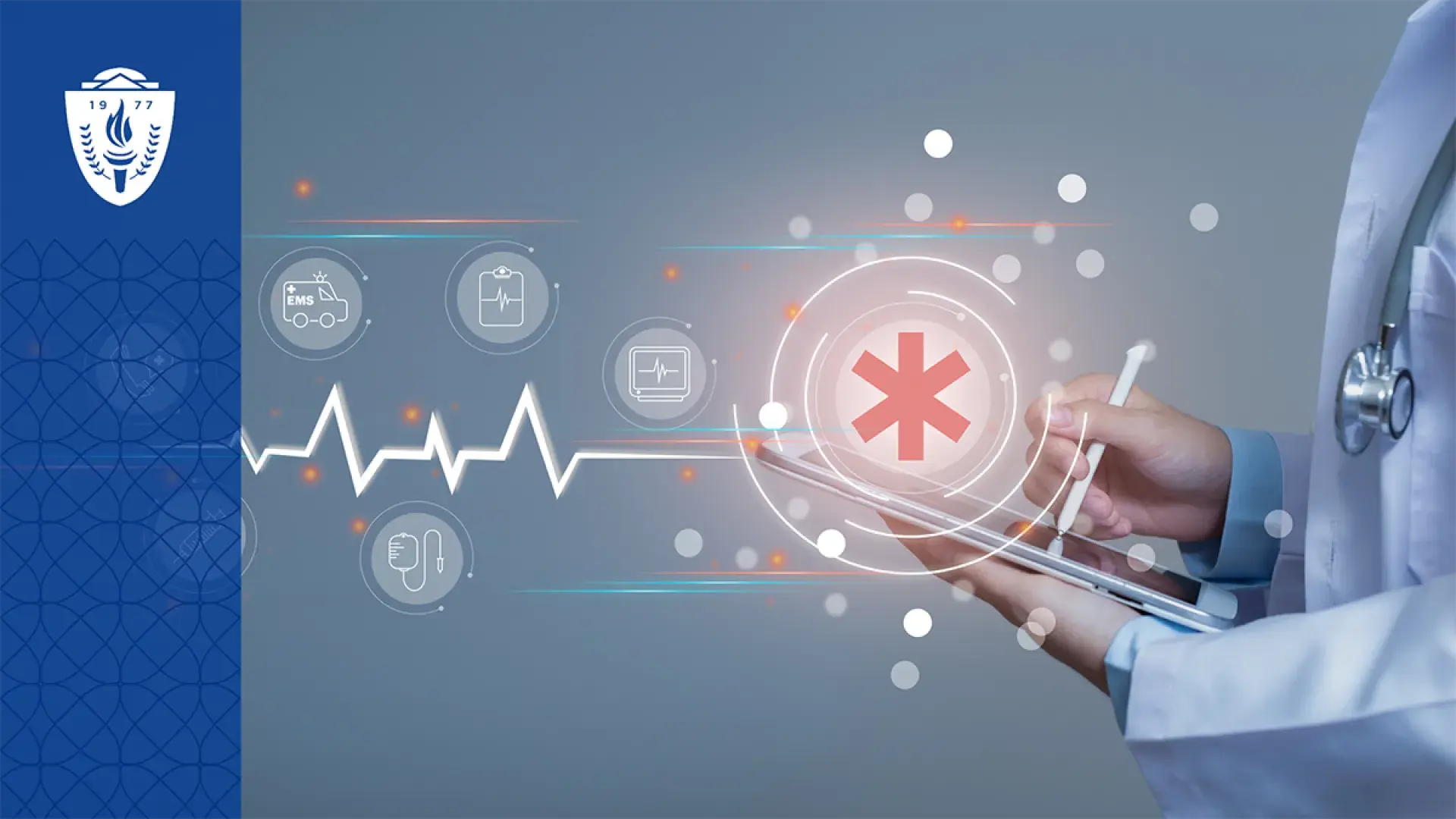


The emergency department (ED) is often referred to as the heart of the hospital, but it faces significant challenges such as overcrowding, understaffing, and budget constraints. According to Hu, Chan, and Dong (2024), data analytics plays a vital role in addressing these challenges by enabling hospitals to predict patient trends and manage staffing and resources more effectively. By examining historical data, healthcare providers can anticipate surges in specific medical conditions, such as flu seasons or pandemics, leading to more efficient staffing and equipment management. This, in turn, contributes to improved patient satisfaction and outcomes.
Data-Driven Decision Making in Emergency Care
Given the urgency of situations in the ED, healthcare providers must make quick, informed decisions to achieve optimal patient outcomes. AI technologies are transforming emergency care by analyzing large datasets from previous cases. This allows providers to make evidence-based decisions and improve diagnoses. AI algorithms can detect subtle patterns that might be overlooked by human providers, enhancing diagnostic accuracy. For instance, recent studies demonstrate how machine learning models can analyze triage data to stratify patients by severity more effectively, reducing waiting times for critical cases (SAEM Pulse, 2024). These technologies not only provide suggestions for diagnoses but also flag vital signs that require immediate attention, reducing the risk of misdiagnosis or delayed treatment.
The Role of Telemedicine and Remote Monitoring
The integration of telemedicine with data analytics has expanded the capabilities of emergency care, particularly for underserved or rural populations. Ezeamii et al. (2024) highlight that telemedicine services enable healthcare providers to monitor patients remotely, ensuring timely interventions and improving access to care. This approach not only enhances patient outcomes but also allows emergency departments to focus on critical cases while offering immediate consultations for non-life-threatening conditions, effectively managing resources.
Educational Programs Empowering Data-Driven Emergency Care
Educational programs like the Master of Science in Healthcare Data Analytics (MSDA) at the MGH Institute of Health Professions prepare future healthcare professionals to effectively use data in emergency care. Students in this program learn to transform complex healthcare data into actionable insights, focusing on skills such as data management, statistical analysis, and decision-making. These skills are crucial for understanding how data drives modern healthcare.
Improved Communication and Team Coordination
Data analytics also enhances communication within emergency care teams. According to Shaw (2019), real-time access to patient data allows healthcare providers to collaborate more effectively, reducing errors and improving patient care. In emergency settings, where every second counts, this real-time sharing of information among physicians, nurses, and other staff is essential for coordinated care and improved outcomes.
The Future of Data Analytics in Emergency Medicine
The increasing availability of healthcare data and advancements in technology promise a bright future for data analytics in emergency medicine. Hu, Chan, and Dong (2024) emphasize that as data continues to grow in volume and complexity, healthcare providers will have access to more tools to enhance patient care. Training future professionals to leverage this data, as seen in programs like the MSDA at MGH Institute, will be essential to ensuring that emergency medicine stays at the forefront of healthcare innovation and improves patient outcomes.
References
- Hu, Y., Chan, C. W., & Dong, J. (2024). Prediction-Driven Surge Planning with Application in the Emergency Department. Columbia Business School. Retrieved from https://www.gsb.columbia.edu.
- https://issuu.com/saemonline/docs/207868_saem_pulse_jan-feb_2024_v3/72
- Ezeamii, V. C., Okobi, O. E., Wambai-Sani, H., Perera, G. S., Zaynieva, S., Okonkwo, C. C., Ohaiba, M. M., William-Enemali, P. C., Obodo, O. R., & Obiefuna, N. G. (2024). Revolutionizing Healthcare: How Telemedicine Is Improving Patient Outcomes and Expanding Access to Care. Cureus, 16(7), e63881. https://doi.org/10.7759/cureus.63881
- Shaw, G. (2019). How Emergency Departments Can Use Predictive Analytics to Optimize Staffing. HealthTech Magazine. Retrieved from https://www.healthtechmagazine.net.