Skills and Training That Make a Great Audiology Assistant
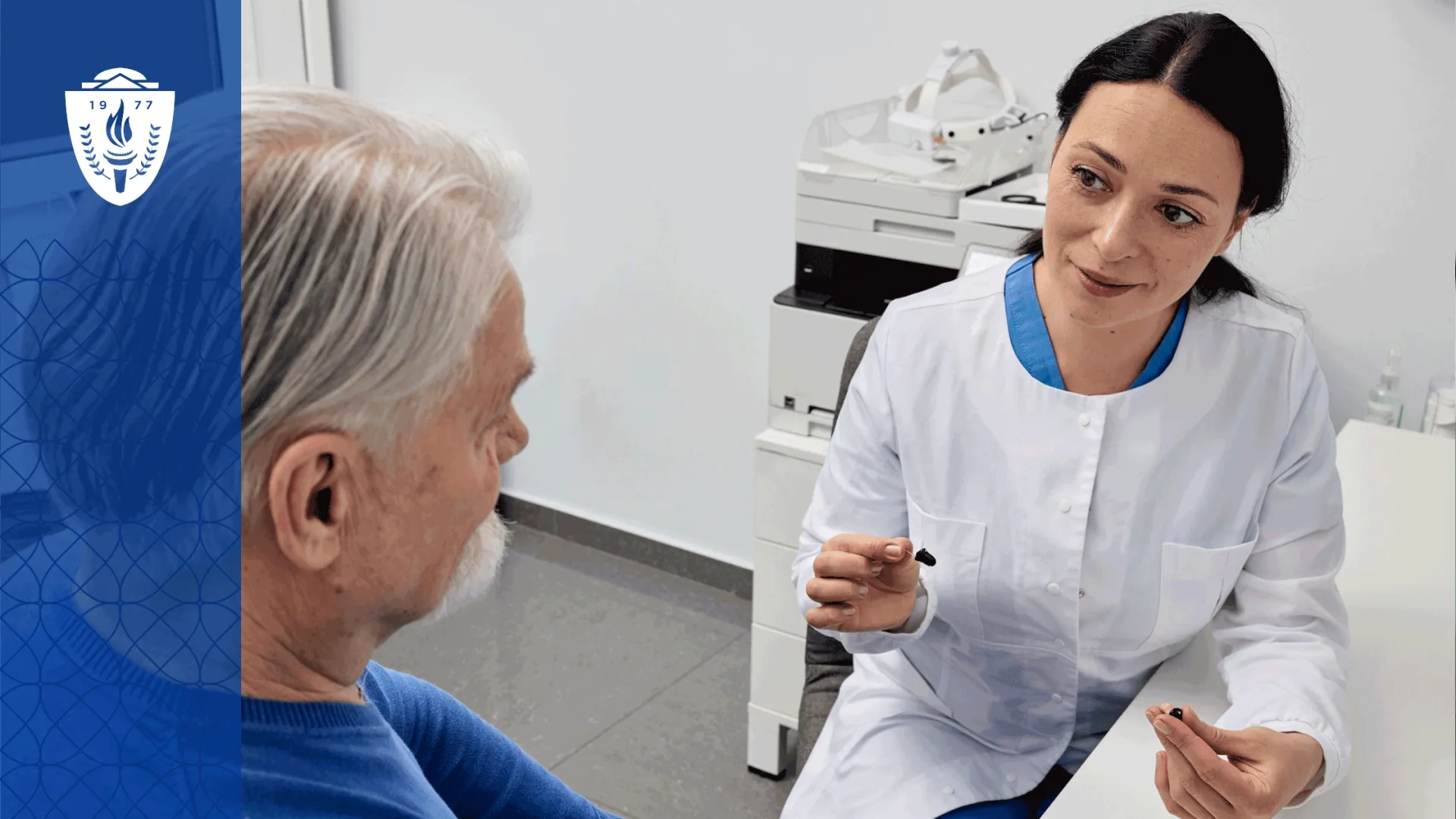


When a patient visits an audiology clinic, they quickly learn that it takes a team of hearing healthcare professionals to guide them through the testing, diagnosis, interventions and technologies designed to improve their hearing. One of those professionals is the Audiology Assistant. They support audiologists during clinical procedures, help patients understand hearing technology, and keep clinic operations running smoothly. Their work combines technical precision with patient-centered care.
If you are exploring a career that blends precision healthcare with meaningful patient interaction, becoming an Audiology Assistant is worth considering. With specific training and professional preparation, you can take the first step into the wider audiology profession.
What Does an Audiology Assistant Do?
Audiology Assistants support audiologists in both clinical and administrative aspects of patient care. Their work helps ensure that appointments run efficiently and that patients feel supported throughout their visit.
In many clinics, an Audiology Assistant may:
- Prepare patients for hearing tests
- Assist during diagnostic hearing evaluations
- Help patients learn how to use hearing devices
- Perform basic hearing aid maintenance or troubleshooting
- Check and prepare equipment before appointments
- Help manage documentation and patient records
Strong Audiology Assistants bring together technical ability and interpersonal skills to each patient appointment. They are essential for creating an inviting and accessible environment for patients with limited communication and for troubleshooting problems in real time to maintain the smooth flow of clinical operations.
Organization and clinic workflow support
Hearing evaluations and device fittings involve multiple pieces of equipment operating at the same time with precision and accuracy. Audiology Assistants must carefully follow instructions during these procedures, document information accurately, and ensure testing environments and equipment are in working order and properly prepared.
Audiology clinics often operate on busy schedules. Patients can wait several months for a 1-hour appointment with their audiologist. Audiology Assistants reduce wait-times for all patients by providing services that do not require audiologist supervision like minor device repairs, cleaning, replacing batteries, explaining basic device features, assisting with paperwork, and finding local resources. They also assist patients who are adjusting to new hearing technology through one-on-one sessions or group aural rehabilitation classes.
Why Professional Training Matters
Because Audiology Assistants contribute directly to patient care, professional training plays an important role in preparing assistants for the field and in obtaining licensure.
Audiology Assistant training programs provide a structured introduction to hearing testing, hearing device prescription, aural rehabilitation, and effective communication strategies for pediatric and adult populations. Students also learn about clinical workflows and safety practices that help ensure high-quality care.
High-quality education provides a direct pathway to certification by the American Speech-Language-Hearing Association, and to state licensure. These credentials are required by many states and by audiology clinics because they demonstrate that you have the skills and knowledge necessary to support audiology services in a clinical setting.
Training can also help new professionals feel more confident when entering healthcare environments that rely on both technical knowledge and compassionate patient care.
Where Professionals Begin Their Training
Certificate programs can provide the technical knowledge and clinical training needed to work confidently in an audiology setting.
The Audiology Assistant Graduate Certificate we offer at the MGH Institute of Health Professions is one example of a program designed to prepare you for these responsibilities. Through focused coursework and patient services training, our students gain exposure to clinical procedures, patient care, and the collaborative work that defines audiology practice.
Programs like ours help bridge the gap between interest in the field and readiness to contribute within professional audiology teams.