Saturday, April 18, 2026

9am-4:45pm

Virtual/Synchronous | 6 CEUs

This conference & corresponding workshop(s) is designed to highlight the connection between physical therapy and social justice and health equity. We will introduce the social determinants of health—defined by the World Health Organization as the conditions under which people live, work, learn, and play—and explore how patients’ health and well-being can be viewed as socially constructed. We discuss the role of systems of oppression and location of position in generating health inequities and help participants develop strategies to intervene to promote health equity. 


Who should attend

Physical therapists, physical therapist students, IHP faculty and students. In addition, we also welcome our colleagues across the health professions who may be interested in attending. While this conference is oriented around physical therapy practice, health equity principles shared at this conference are applicable to all healthcare disciplines.
Cost: $50

Free for those affiliated with IHP

This includes IHP students, faculty, staff, alumni, and clinical partners.

If you are affiliated with IHP, please email us for more information on waiving the registration fee.

Conference Content

  1. Describe how play functions as a social determinant of health and its impact on mental and physical wellbeing.
  2. Identify key barriers to play within the City of Chelsea, MA.
  3. Discuss strategies to promote play across the lifespan at both the individual and systemic levels.
  1. Describe how disparities in acute care (mobilization timing, consult frequency, discharge decisions) influence long-term rehab outcomes.
  2. Identify populations most affected by inequitable acute care practices.
  3. Recognize systemic barriers that reduce post-acute referrals and continuity of care.
  4. Apply strategies to promote equitable mobility, consult, and discharge practices in acute settings.
  5. Advocate for better transitions and follow-up systems to close gaps in recovery
  1. Explain how health equity and social determinants of health influence access to and outcomes of pelvic health care.
  2. Recognize key barriers such as lack of knowledge, transportation difficulties, language barrier, concerns about insurance coverage that prevent individuals from seeking or receiving pelvic physical therapy.
  3. Reflect on their own biases, assumptions, and comfort levels when discussing pelvic health topics with patients from diverse backgrounds.
  4. Identify strategies to promote inclusion and equity in pelvic health settings, through patient education, culturally responsive communication, and advocacy.
  5. Apply concepts of equitable care to case examples, considering how PTs can make pelvic health services more accessible in their future practice settings.
  1. Identify the ethical and legal dilemmas associated with the biased patients and caregivers.
  2. Describe the decision-making associated with responding to inappropriate patient requests including requests for specific clinicians.
  3. Describe the framework for responding to biased patients and caregivers.

Speakers

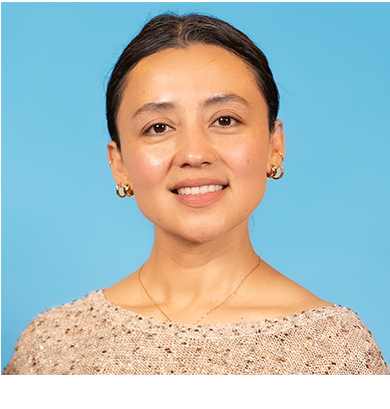
Flor de Maria Amaya Lopez

Dr. Flor de Maria Amaya Lopez, PT, DPT, MPH, is the Director of Public Health for the City of Chelsea. Flor is passionate about the intersection of play and health. In her current role, she collaborates with diverse stakeholders to promote inclusive play across the lifespan. This fall, in partnership with the Department of Recreation and Cultural Affairs, the city is launching a "Play for all Project" with aims of understanding how and where Chelsea residents play and what are existing barriers to play.

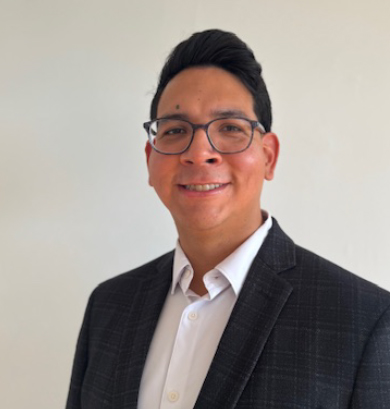
Xavier Brito

Dr. Xavier Brito, PT, DPT, NCS, is an acute care physical therapist currently at Brigham and Women’s Hospital. Xavier received his Bachelor of Science in Exercise Science at Rutgers University before pursuing his Doctor of Physical Therapy from MGH Institute of Health Professions. He then completed his neurologic residency at MGH to specialize in neurologic physical therapy. Since then, he has worked in Boston and Chicago, across acute care, inpatient rehab, and outpatient. He has worked with diverse patient populations in high-acuity settings, where he developed a passion for promoting equitable access to early mobility and post-acute rehabilitation. Through teaching, mentorship, and interdisciplinary collaboration, Xavier aims to elevate physical therapy practice as a driver of equitable, patient-centered care. On a more personal note, Xavier enjoys cooking, baking new things, traveling, and spending time with friends and family.

Yasaman Zarbafian

Dr. Yasaman (Yassi) Zarbafian, PT, DPT, is an American Board of Physical Therapy Specialties (ABPTS) Orthopaedic Certified Specialist (OCS) at Massachusetts General Hospital, where she provides advanced orthopedic and pelvic health physical therapy. She also serves as an instructor at the MGH Institute of Health Professions, teaching and mentoring doctoral students in evidence-based musculoskeletal care. Dr. Zarbafian is dedicated to improving access to health education and fostering interdisciplinary collaboration to enhance patient outcomes across orthopedic and specialty care settings.

Keshrie Naidoo

Dr. Keshrie Naidoo PT, DPT, EdD, is the Chair and Distinguished Teaching Associate Professor in the Physical Therapy Department at the MGH Institute of Health Professions. Dr. Naidoo earned her Physiotherapy degree from the University of Cape Town, transitional Doctor of Physical Therapy degree from the MGH Institute and her Doctorate in Education from Johns Hopkins School of Education with a focus on entrepreneurial leadership in education. Her research focus is on equity in education. Dr. Naidoo is the current Editor-in-Chief of the Journal of Physical Therapy Education.