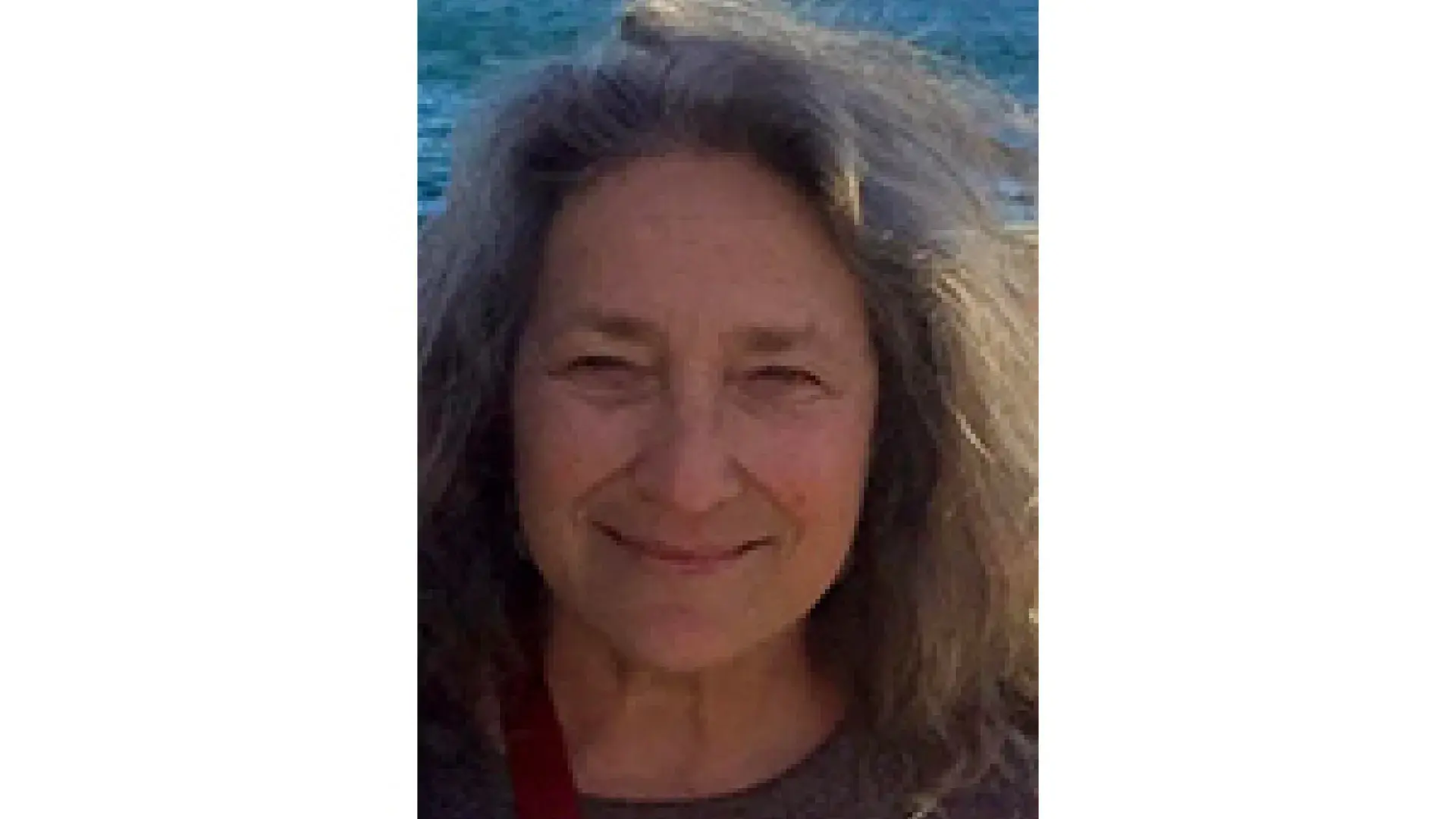


As a nurse practitioner, I provide primary care at the Cambridge Health Alliance (CHA), a safety net health system in Massachusetts. My patients are from all over the world and from diverse social and educational backgrounds. Many are immigrants, many are from the global south, and many speak languages other than English.
I first became aware of the state of our home planet as I was entering my teenage years. In June of 1969, the Cuyahoga River on the Southern Shores of Lake Erie literally caught on fire when industrial materials that were allowed to enter the river ignited. This was not the first time the river caught fire, but it came at a time when our collective awareness of threats to our environment was growing. The following year, on the first Earth Day, a national teach-in about the environment was held. I remember organizing with my 7th grade class to clean up our local park, and later in high school, as a member of the Good Earth Society, I helped to organize recycling drives and became an avid bike commuter. It was in my same hometown, on a picket line outside our local grocery store, that I first met Lucia, a farm worker and organizer with the United Farmworkers Union. Lucia had traveled east with her parents to Long Island, New York to spread the word about the exploitation of farm workers and their fight for the right to organize a union. They explained how we could help the cause by supporting the grape and lettuce boycott. Lucia and I were the same age. We commuted to our first year of college together and our conversations deepened my understanding of how injustice impacts human and environmental health.
In my current role, I care for many patients who are, essentially, climate refugees. Rounds of devastation resulting from the multiple threats posed by a warming planet led many of my patients to flee their Central American homelands. While it’s my day-to-day work to provide culturally humble and high-quality health care, I see climate change as a root cause of the disruption that has so complicated the lives of many of my patients. In a cruel irony, they remain among the most vulnerable victims of climate change. Forced to flee a degrading environment and its attendant social chaos, they are now trapped in urban heat islands where they suffer on-going health risks and exposures to environmental hazards. By participating in the CHA Center for Health Equity, Education & Advocacy inaugural Climate Health Organizing Fellowship, my colleagues and I are learning organizing skills to help us, and other healthcare workers, mobilize for the purpose of affecting changes that will reduce our carbon footprint collectively, in health care institutions, as well as individually and in our communities.
"I see climate change as a root cause of the disruption that has so complicated the lives of many of my patients.”
As health care professionals, our patients need and deserve that we understand and prepare ourselves for the impact of climate change on our healthcare system and that we assist them in preparing for climate resiliency. Our role is critical because the impacts of climate change are experienced unequally, reflecting the racial, economic and other injustices that plague our society. It is critical because the healthcare industry itself has a very large carbon footprint that we can and must address. We as healthcare professionals have a responsibility to use our trusted voices to educate and motivate others to act to bring about climate health and justice. The first step is to learn as much as you can about climate change, then join with others and get involved in making a positive contribution to greater climate justice. For information and inspiration, you might check out the All We Can Save Project or consider attending one of the excellent monthly webinars that address everything climate and health related at MGH IHP.
"Our role is critical because the impacts of climate change are experienced unequally, reflecting the racial, economic and other injustices that plague our society. It is critical because the healthcare industry itself has a very large carbon footprint that we can and must address."
My vision for the future is one in which we care for each other and for our home planet. I’ve heard climate change referred to as a threat multiplier. Speaking as a nurse, as a mother and a grandmother, the existential threat we face is hard to bear and yet…coming together with others to do this work of understanding and reversing climate change is a benefit multiplier.