Choosing the Right Doctorate in Occupational Therapy Program: Key Factors to Consider


Pursuing an advanced occupational therapy degree is a significant step that requires careful consideration. With so many occupational therapy schools offering various programs, finding the right fit for your academic and career goals can feel overwhelming. An evidence-based curriculum, hands-on practice, and a strong clinical network are all factors to consider when selecting the right occupational therapy program for you.
1. Evidence-Based Academics and Curriculum
One of the most important aspects of an occupational therapy degree program is an evidence-based curriculum. Evidence-based practice (EBP) integrates the latest research, clinical expertise, and patient values, equipping students to make well-informed, data-driven decisions in their clinical practice. In a high-quality occupational therapy program, you’ll learn to assess, interpret, and apply research findings directly to client care.
What to Look for in Evidence-Based Academics:
- Research Integration: Ensure the program prioritizes research literacy and application, preparing you to continually learn and adapt throughout your career.
- Courses on EBP Methods: Look for courses dedicated to evidence-based methods, critical thinking, and data analysis, which are foundational to becoming a proficient, adaptable occupational therapist.
- Opportunities to Engage in Research: Some programs offer opportunities to work on research projects or collaborate with faculty on studies, which can deepen your understanding of EBP.
2. Interprofessional Focus and Collaboration
Occupational therapists often work as part of multidisciplinary teams, collaborating with professionals in healthcare, education, and social services. A quality occupational therapy program should emphasize interprofessional education (IPE), preparing you to work effectively alongside other healthcare providers. This focus on collaboration builds essential communication skills and a broad understanding of how various professions contribute to client-centered care.
Benefits of an Interprofessional Focus:
- Exposure to Diverse Perspectives: Working with peers from other health professions, such as physical therapy and nursing enhances your understanding of holistic care.
- Real-World Collaboration Skills: IPE helps develop the skills needed for collaborative teamwork, a crucial component of effective OT practice in multidisciplinary environments.
- Networking Opportunities: Building relationships with students in other health fields can open doors to future collaborative opportunities in professional settings.
3. Diverse Clinical and Fieldwork Experiences
Hands-on, practical experience is a cornerstone of any reputable occupational therapy degree program. Fieldwork placements allow students to apply classroom knowledge in real-world settings, developing skills and confidence under the supervision of experienced practitioners. When evaluating occupational therapy schools, consider the variety and quality of fieldwork opportunities offered, as these experiences are critical for building a well-rounded skill set.
Key Factors in Clinical and Fieldwork Experiences:
- Range of Settings: Look for programs that offer placements in diverse settings, such as hospitals, schools, mental health facilities, and community organizations. This exposure will prepare you for various roles and client populations.
- Experienced Supervisors: Strong fieldwork programs include experienced supervisors who provide mentorship and feedback, helping you refine your skills and grow as a clinician.
- Progressive Fieldwork Structure: Many programs follow a progression model, starting with observational placements and advancing to more independent, hands-on roles. This structure supports gradual skill development and increased responsibility.
4. Hands-On Practice and Skills Development
Practical skills are at the heart of occupational therapy, so a high-quality program should prioritize hands-on learning. In addition to fieldwork, look for programs that offer hands-on labs, simulated learning experiences, and practice spaces where students can build their skills.
Hands-On Learning Opportunities to Look for:
- Labs and Simulation Centers: Simulation centers offer controlled environments for practicing assessment and intervention techniques. Labs with equipment, tools, and practice spaces can help students develop hands-on proficiency.
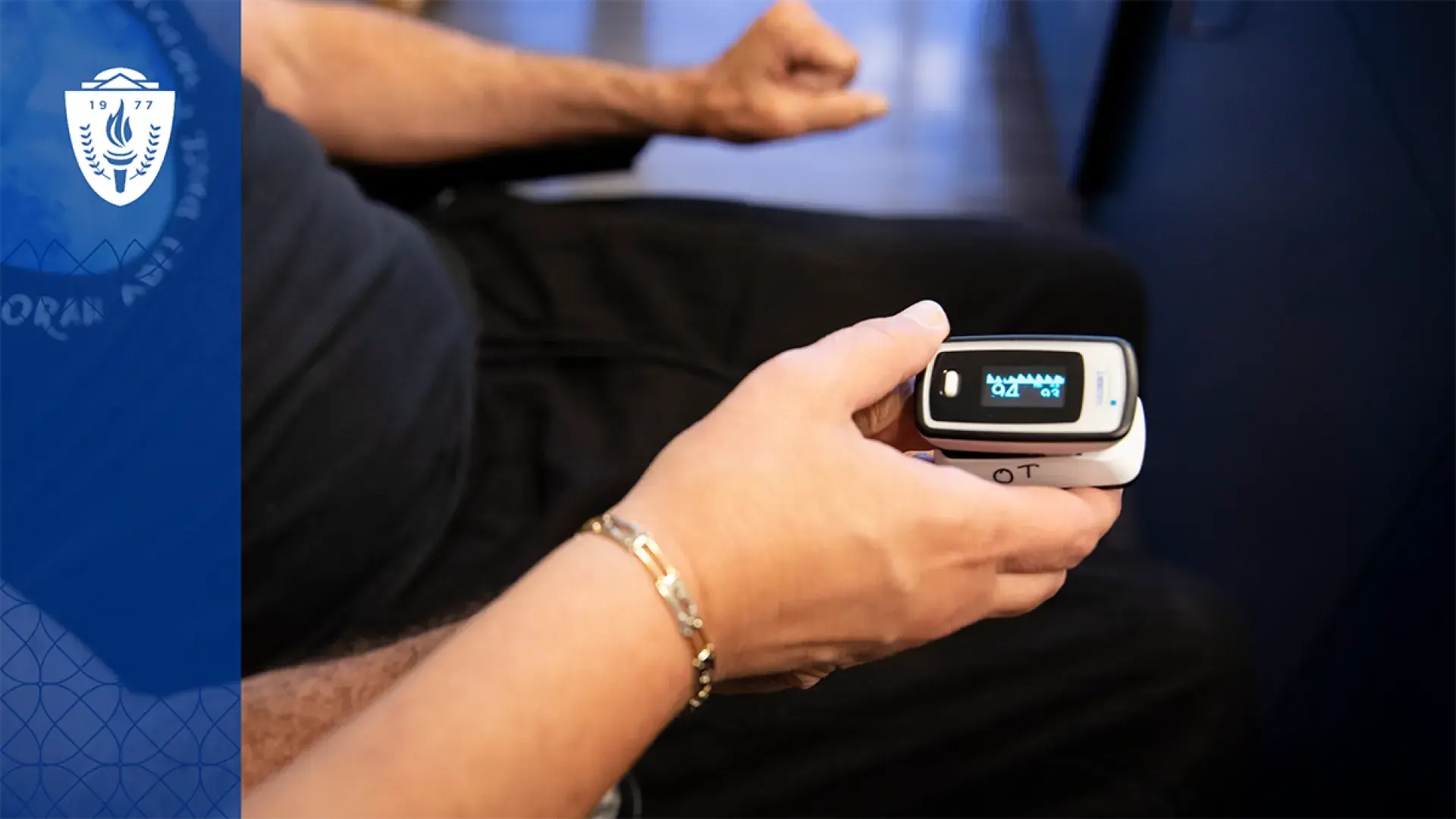
- Access to Advanced Technology: Programs that incorporate cutting-edge technology, such as assistive devices, virtual reality, and wearable devices, offer students exposure to tools that are increasingly common in OT practice.
- Frequent Practicum Opportunities: Programs that incorporate regular practicums throughout coursework ensure that students can practice skills and apply theoretical concepts in controlled, guided settings.
5. Affiliation with a Large Hospital System for Clinical Experience and Job Placement
A strong association with a large hospital system can make a substantial difference in your occupational therapy education. Programs that are affiliated with major healthcare networks - such as our connection to Mass General Brigham - provide students with access to clinical resources, diverse fieldwork placements, and networking opportunities with healthcare professionals. Furthermore, a program with close ties to a hospital system can significantly enhance job placement opportunities after graduation.
6. Faculty Expertise and Support
A program’s faculty plays a pivotal role in the quality of education, mentorship, and support that students receive. When choosing an occupational therapy degree program, consider the faculty’s expertise, particularly in areas of clinical specialization, research, and interprofessional practice.
7. Program Accreditation and Success Rates
Accreditation is a vital consideration when evaluating occupational therapy schools. Accreditation ensures the program meets established standards of quality and prepares students for certification and licensure. Additionally, consider looking at a program’s graduation rates, board exam pass rates, and job placement statistics as indicators of program success.
Finding the Right Occupational Therapy Degree Program
Choosing the right doctorate in occupational therapy program is a crucial decision that will shape your future career. Evidence-based academics and diverse fieldwork, hands-on practice and hospital affiliations – all of these factors contribute to a well-rounded, high-quality education in occupational therapy. Take the time to explore different occupational therapy schools, considering how each program’s offerings align with your career goals and interests. By selecting a program with strong academics, practical experience, and professional support, you’ll be well-prepared to make a meaningful impact in the OT field.
As a leader in health professions education, MGH Institute of Health Professions (IHP) provides an excellent foundation for those pursuing a career in OT. The only degree-granting affiliate of Mass General Brigham, IHP provides comprehensive clinical training, interprofessional education, and valuable networking for job placement. As a leader in health professions education, MGH IHP ensures that students graduate with the skills, experience, and professional connections needed to succeed.
Further Occupational Therapy Observations


A Dream Opportunity
Thu, 08/20/2026