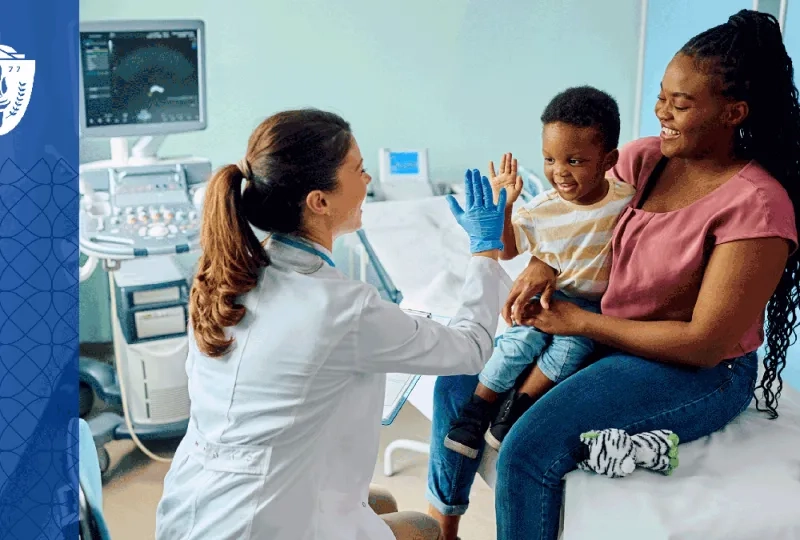
Women's Health Nurse Practitioner Career Guide: Advancing Reproductive, Hormone, and Sexual Health Across the Lifespan



What does a career look like for a Women's Health Nurse Practitioner?
Women's Health Nurse Practitioners (WHNPs) are advanced practice registered nurses specializing in reproductive, gynecologic, sexual, and hormone health across the lifespan. While the specialty is rooted in caring for women from adolescence through menopause and beyond, many WHNPs also provide care for men with hormone imbalances and sexual health concerns, depending on their practice setting and state scope of practice.
From preventive gynecologic care and pregnancy to postpartum recovery, menopause, fertility, sexual dysfunction, and hormone optimization, WHNPs care for patients through many of life's most significant health transitions.
Healthcare is personal. Patients seek guidance for menstrual concerns, contraception, pregnancy, postpartum recovery, menopause, sexual wellness, hormone changes, fertility, and long-term preventive care. A Women's Health Nurse Practitioner combines advanced clinical expertise with education, advocacy, and compassionate relationship-based care to help patients navigate each stage of life.
What Does a Women's Health Nurse Practitioner Do?
Women's Health Nurse Practitioners diagnose, treat, and manage conditions related to reproductive, gynecologic, sexual, and hormone health. They perform comprehensive assessments, order and interpret diagnostic testing, prescribe medications, develop treatment plans, provide education, and coordinate care with other healthcare professionals.
Depending on the practice, a WHNP may care for women throughout every life stage while also treating men with hormone deficiencies, sexual dysfunction, infertility concerns, or other reproductive health conditions.
Day-to-day responsibilities commonly include:
- Annual wellness exams
- Preventive screenings
- Gynecologic care
- Menstrual disorders
- Contraceptive counseling
- Fertility evaluation and counseling
- Pregnancy care
- Postpartum care
- Lactation support
- Perimenopause and menopause management
- Hormone replacement therapy
- Sexual health counseling
- Diagnosis and treatment of sexually transmitted infections
- Pelvic pain evaluation
- Management of common gynecologic conditions
- Care for male sexual dysfunction and hormone concerns in appropriate practice settings
- Patient education and long-term preventive care
Every visit extends beyond diagnosing symptoms. WHNPs help patients understand their options, weigh risks and benefits, establish treatment goals, and make informed decisions that support their overall health and quality of life.
Where Women's Health Nurse Practitioners Work
Women's Health Nurse Practitioners practice in a wide variety of healthcare settings.
Many work in OB/GYN practices caring for patients during pregnancy, postpartum, and throughout their reproductive years. Others practice in gynecology offices, menopause clinics, fertility centers, urogynecology, breast health, sexual medicine clinics, family planning organizations, community health centers, college health centers, hospital outpatient practices, public health programs, and private specialty practices.
Increasingly, WHNPs also work in hormone optimization, sexual medicine, men's health, and longevity practices where they evaluate and treat hormone deficiencies, sexual dysfunction, and reproductive health concerns for both women and men within their scope of practice.
Each practice setting offers unique opportunities. Some emphasize continuity of care across decades, while others focus on fertility, pregnancy, postpartum recovery, menopause, pelvic health, sexual wellness, or hormone optimization.
What a Typical Day May Look Like
No two days are exactly alike.
A morning may begin with annual preventive visits, cervical cancer screenings, and contraceptive counseling. Later appointments might include pregnancy visits, postpartum mood concerns, menopause symptom management, pelvic pain, abnormal bleeding, infertility evaluations, or sexual health consultations.
In specialty practices, a WHNP may also evaluate hormone imbalances, low libido, erectile dysfunction, testosterone deficiency, vaginal health, or other sexual medicine concerns.
Some visits are routine. Others involve deeply personal conversations about pregnancy loss, infertility, sexual dysfunction, menopause, intimate partner violence, or gender-related reproductive health. These encounters require clinical expertise, empathy, cultural humility, and strong communication skills.
WHNPs work closely with physicians, certified nurse-midwives, nurses, pelvic floor therapists, mental health professionals, endocrinologists, reproductive specialists, lactation consultants, and other healthcare providers to deliver comprehensive patient-centered care.
Why the Role Matters
Women's Health Nurse Practitioners help patients make informed decisions about their reproductive, sexual, and overall health throughout every stage of life.
Preventive screenings can identify disease earlier. Hormone evaluation can improve energy, sleep, bone health, sexual function, and quality of life. Pregnancy and postpartum care promote healthier outcomes for both parents and infants. Menopause management helps patients navigate one of the longest hormonal transitions of adulthood with confidence and evidence-based treatment.
Sexual health is another important component of whole-person wellness. WHNPs help patients address concerns that often go undiscussed—including painful intercourse, low libido, erectile dysfunction, hormone deficiencies, fertility concerns, and changes associated with aging.
The specialty also emphasizes advocacy and access to care. Many patients experience barriers related to insurance, transportation, stigma, language, cost, or previous healthcare experiences. WHNPs help patients navigate these challenges while creating supportive, respectful clinical environments.
Skills and Qualities That Support Success
Women's Health Nurse Practitioners combine advanced clinical knowledge with exceptional communication and interpersonal skills.
Success in this specialty requires:
- Clinical reasoning
- Compassion and empathy
- Cultural humility
- Attention to detail
- Comfort discussing sensitive topics
- Patient education skills
- Shared decision-making
- Evidence-based practice
- Strong collaboration across healthcare teams
Many nurses are drawn to the continuity this specialty offers. Patients often return over many years—from adolescence through pregnancy, postpartum, menopause, and healthy aging—allowing WHNPs to build lasting therapeutic relationships.
Rewards and Challenges of the Specialty
A Women's Health Nurse Practitioner career offers the opportunity to care for patients during many of life's most meaningful transitions.
The specialty blends preventive care, gynecology, obstetrics, hormone management, sexual health, education, and advocacy into a career that is intellectually challenging and personally rewarding.
WHNPs have the opportunity to improve not only physical health, but also confidence, relationships, quality of life, and long-term wellness.
Is a Women's Health Nurse Practitioner Career Right for You?
This specialty may be an excellent fit if you are passionate about reproductive health, pregnancy, gynecology, postpartum care, hormone health, sexual wellness, preventive medicine, and patient advocacy.
It also appeals to nurses who value long-term relationships with patients and enjoy helping individuals navigate important health transitions throughout adulthood.
At the MGH Institute of Health Professions, our advanced nursing programs prepare future Women's Health Nurse Practitioners with the clinical expertise, interprofessional experience, and evidence-based training needed to provide comprehensive, patient-centered care.
Whether practicing in OB/GYN, gynecology, sexual medicine, hormone health, fertility, menopause, community health, or specialty clinics, Women's Health Nurse Practitioners play an essential role in improving reproductive and sexual health across the lifespan.