Pediatric Nurse Practitioner Career Guide: Caring for Children and Families
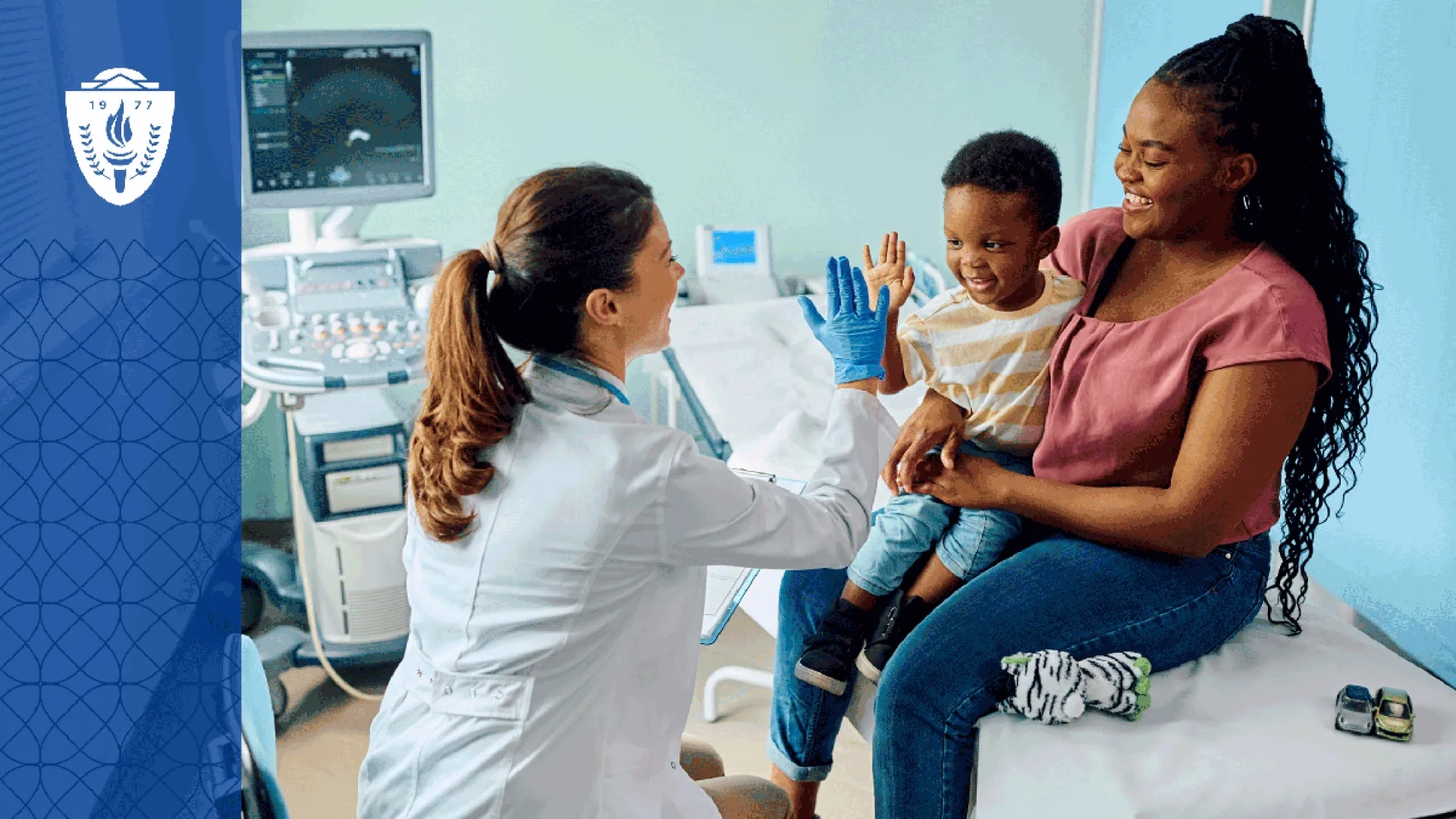


A parent brings in a newborn who is not feeding well. A school-aged child needs help managing asthma before soccer season. A teenager or young adult has questions they may not feel comfortable asking anyone else. In each moment, a Pediatric Nurse Practitioner can help children and families feel heard, supported, and cared for.
A Pediatric Nurse Practitioner career combines clinical knowledge with communication, education, and compassion. Pediatric Nurse Practitioners care for infants, children, adolescents, and sometimes young adults through many stages of growth and development. Their work often includes preventive care, illness management, developmental guidance, and family education.
For nurses who enjoy working with children, this role offers a meaningful path into advanced practice. It also requires flexibility, emotional intelligence, and the ability to support both young patients and the adults who care for them.
What Does a Pediatric Nurse Practitioner Do?
If you are wondering what a Pediatric Nurse Practitioner does, the answer depends partly on the setting. In general, Pediatric Nurse Practitioners provide primary or specialty care for children from infancy through young adulthood, age 25. They assess patients, diagnose common health concerns, develop treatment plans, prescribe medications when appropriate, and help families understand next steps.
In primary care, a pediatric nurse practitioner may see children for well-child visits, vaccines, developmental screenings, school physicals, and common illnesses. These visits often include conversations about nutrition, sleep, safety, behavior, and emotional health.
In specialty settings, Pediatric Nurse Practitioners may help children manage complex conditions such as asthma, diabetes, heart conditions, neurological disorders, or developmental differences. They often work with physicians, nurses, therapists, social workers, educators, and other healthcare professionals.
The Pediatric Nurse Practitioner role depends on clinical judgment and trust. Children may not always have the words to describe what they feel. Parents and caregivers may arrive anxious or uncertain. Pediatric Nurse Practitioners need to ask thoughtful questions and explain care in ways that make sense to both children and adults.
Where Pediatric Nurse Practitioners Work
Pediatric Nurse Practitioners work in many healthcare settings. Some choose pediatric primary care offices, while others work in hospitals, urgent care centers, specialty practices, school-based health programs, or community health centers.
Each setting offers a different path for Pediatric Nurse Practitioner careers. In a pediatric clinic, a nurse practitioner may focus on prevention, wellness, and continuity of care. In a hospital, the work may involve acute illness, recovery, or complex care coordination. In a specialty practice, the role may focus on a specific area of pediatric health, such as cardiology, neurology, adolescent health, or behavioral health.
A Typical Day in Pediatric Care
A typical day in the Pediatric Nurse Practitioner role can shift quickly. The morning may begin with an infant wellness visit, including growth measurements, feeding questions, and a developmental screening. Later, the nurse practitioner may see a child with a fever, a student who needs an asthma action plan, and a teenager or young adult seeking support for headaches, anxiety, or sleep concerns.
Pediatric care changes with every age group. A visit with a toddler may require creativity and patience. A visit with an adolescent may require privacy, respect, and careful conversation about sensitive topics. The work may also include reviewing lab results, coordinating referrals, answering family questions, and collaborating with the care team.
The Rewards and Challenges of Working with Children and Families
Working with children in healthcare can be deeply rewarding. Pediatric Nurse Practitioners often have the privilege of watching children grow over time. They may support a family through infancy, help manage a chronic condition through school years, or guide an adolescent toward greater independence.
The role also offers a chance to make an early and lasting impact. Preventive care, developmental support, health education, and early intervention can shape a child’s wellbeing long before adulthood. A conversation about nutrition, sleep, mental health, safety, or medication use may help a family make decisions that improve daily life.
Pediatric care also comes with real challenges. A Pediatric Nurse Practitioner must often communicate with children and adults during the same visit. They may need to explain a diagnosis to a parent, comfort a young child, and involve an adolescent in their own care, all while making sound clinical decisions.
Some conversations can be sensitive. Pediatric Nurse Practitioners may discuss developmental delays, behavioral concerns, mental health, family stress, safety risks, or complex medical conditions. These conversations require honesty, empathy, and skill.
Is a Pediatric Nurse Practitioner Career Right for You?
A Pediatric Nurse Practitioner's career may be a strong fit if you enjoy caring for children, young adults, supporting families, and adapting your communication style to different ages and developmental stages. It may also appeal to you if you value preventive care, patient education, and long-term relationships.
This path may be especially meaningful for nurses who want to combine science, empathy, and advocacy. Pediatric Nurse Practitioners help children receive care that supports illness, recovery, growth, development, and overall wellbeing.
If you are exploring child healthcare careers, consider what kind of pediatric setting interests you most. You may feel drawn to the steady relationships of primary care or the complexity of specialty practice. You may also want to look for advanced nursing programs that offer pediatric coursework, clinical experiences, and preparation for family-centered care.
Supporting Children at Every Stage
Pediatric Nurse Practitioners help children and young adults and families move through each stage of development with support and confidence. Their work blends clinical care with education, prevention, advocacy, and compassion. It is a field with both purpose and variety where small moments can matter greatly, from answering a parent’s question to helping a young patient feel safe and understood.
At the MGH Institute of Health Professions, students who are drawn to pediatrics prepare for advanced nursing practice with a clear focus on caring for children and families. Through pediatric-focused coursework, clinical learning, and interprofessional experiences, our students build the clinical knowledge, communication skills, and family-centered approach needed to support children through every stage of growth.