A Day in the Life of a Nurse Practitioner: Inside Advanced Practice Nursing


What does a typical day look like for a nurse practitioner?
The day often starts before the first patient arrives. A nurse practitioner reviews charts, checks lab results, and prepares for a schedule that may include preventive visits, urgent concerns, and complex follow-ups. By mid-morning, they are diagnosing conditions, prescribing and adjusting medications, developing treatment plans, and coordinating care with other providers. In the afternoon, they may shift from routine visits to more acute cases, then close the day documenting and following up with patients.
This rhythm changes depending on specialty and setting, yet the core of the role stays consistent. Nurse practitioners combine clinical expertise with patient-centered care. They assess, diagnose, treat, and guide patients through both short-term concerns and long-term health management.
What does a nurse practitioner do?
Nurse practitioners are advanced practice registered nurses with the authority to provide comprehensive care. Their responsibilities often include:
- Conducting physical exams and health histories
- Diagnosing illnesses and managing chronic conditions
- Ordering and interpreting diagnostic tests
- Prescribing medications and treatments
- Educating patients and families
- Coordinating care across healthcare teams
In many settings, nurse practitioners serve as primary care providers. They build ongoing relationships with patients and play a central role in improving health outcomes.
A Day in the Life by Specialty
While the foundation of practice is shared, each specialty shapes how a nurse practitioner spends their day, who they treat, and how they approach care.
Family Nurse Practitioner (FNP)
Family nurse practitioners care for patients across the lifespan. Their day may include annual physicals, managing chronic conditions, and addressing new concerns such as infections or minor injuries.
A morning might begin with a routine checkup for a middle-aged patient, followed by a pediatric sick visit and an older adult managing multiple conditions. The pace is steady, with a strong focus on prevention, education, and continuity of care.
Pediatric Nurse Practitioner (PNP)
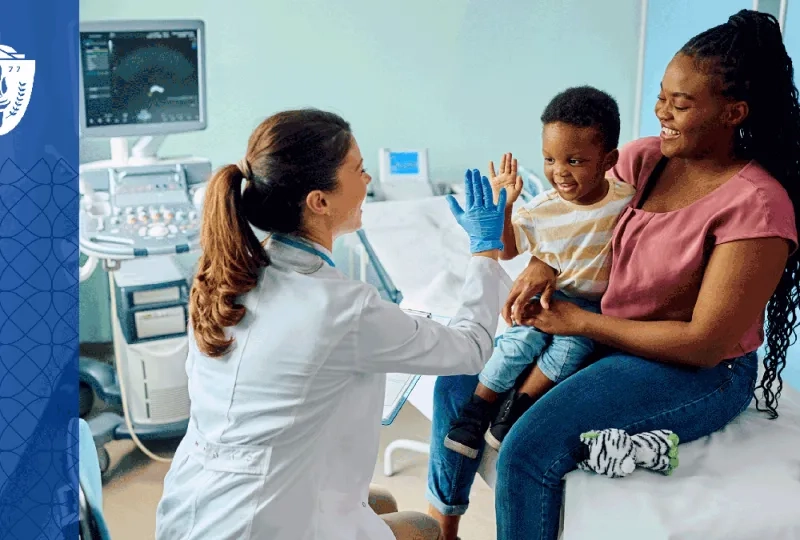
Pediatric nurse practitioners focus on infants, children, adolescents, and young adults up to age 25 Their work blends clinical care with developmental monitoring and family guidance.
A typical day might include well-child visits, vaccinations, and treating common childhood illnesses. Time is often spent educating parents, tracking developmental milestones, and building trust with both patients and families. For the older patients visits can vary from sick visits to managing health conditions and counseling.
Psychiatric Mental Health Nurse Practitioner (PMHNP)
Psychiatric nurse practitioners spend much of their day in conversation. They assess mental health conditions, provide therapy, and manage medications.
Appointments require deep listening and clinical judgment. A PMHNP may support a patient managing anxiety, plan and adjust treatment for depression, and collaborate with therapists or social workers. The work is relational and requires sustained attention to each patient’s experience over time.
Women’s Health Nurse Practitioner (WHNP)
Women’s health nurse practitioners focus on reproductive and gynecologic care across the lifespan.
Their day may include annual exams, contraceptive counseling, prenatal visits, and addressing concerns such as hormonal changes or reproductive health conditions. Preventive screenings and patient education are central, along with building long-term relationships.
Adult-Gerontology Primary Care Nurse Practitioner (AGPC)
These practitioners care for patients ages 13 and older, often in primary care or specialty practice settings such as endocrinology, neurology or cardiology or dermatology
A typical day includes diagnosing and treating acute and chronic health conditions, conducting annual physicals, coordinating care for patients with multiple health concerns. Visits may involve prescribing or adjusting treatments or medication, lifestyle counseling, and long-term care planning.
Adult-Gerontology Acute Care Nurse Practitioner (AGAC)
Acute care nurse practitioners work in hospitals and high-acuity settings. Their environment is fast-paced and clinically complex.
A day might include evaluating a newly admitted patient, responding to changes in condition, ordering tests, and collaborating with physicians and care teams. Decisions often need to be made quickly, with a focus on stabilization and critical care.
Dual Adult-Gerontology/Women’s Health Nurse Practitioner
This dual role offers a broader scope of practice, combining adult and women’s health care.
A practitioner may move between managing acute or chronic conditions in patients aged 13 and older and providing specialized women’s and gender related health services. This flexibility supports a more integrated approach to care and expands career opportunities across settings.
Collaboration and Leadership in Practice
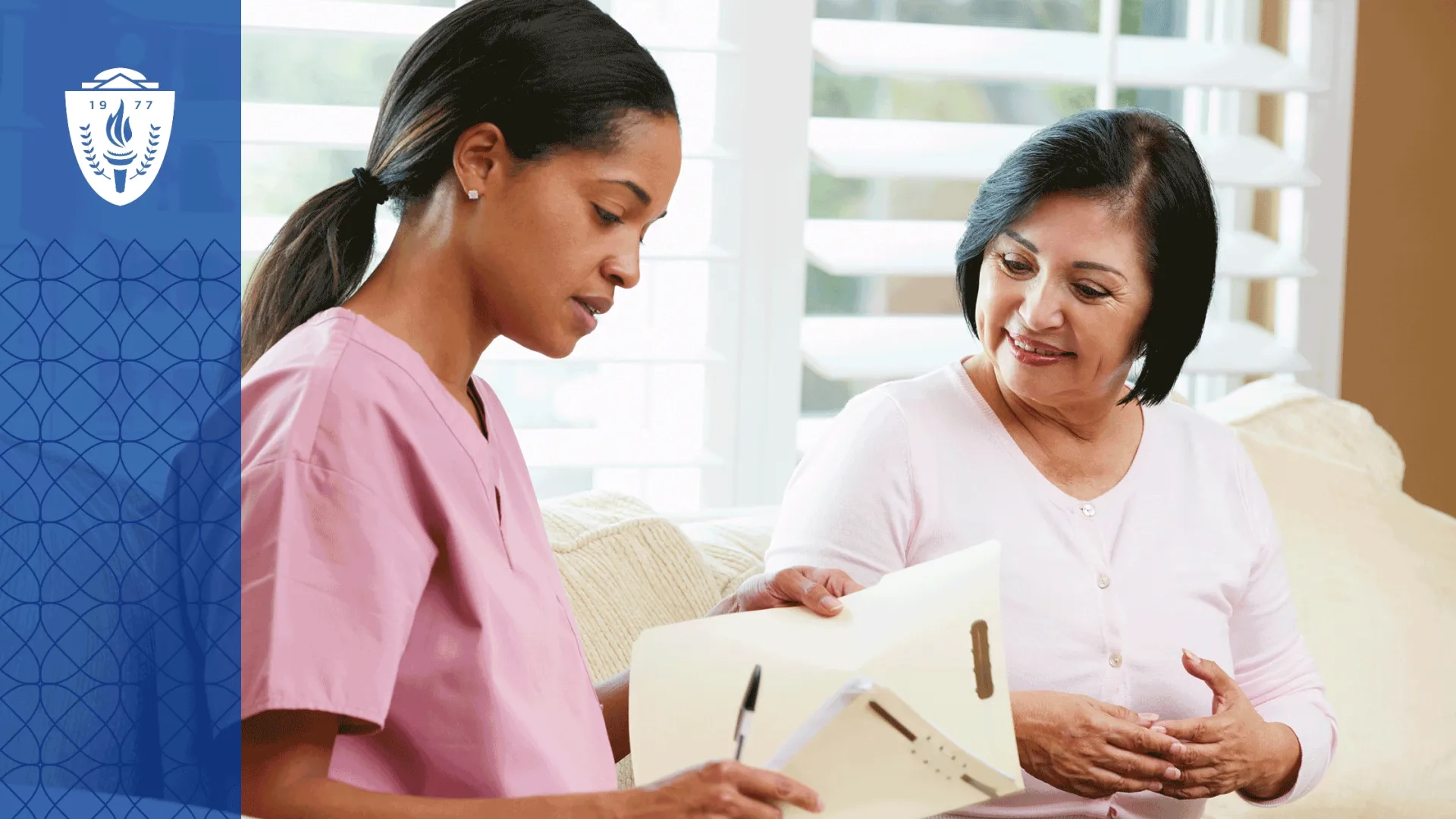
Nurse practitioners work as part of interdisciplinary teams that may include physicians, nurses, therapists, pharmacists, and social workers. Collaboration is part of every day.
They also take on leadership roles. This can include coordinating care plans, advocating for patients, and helping guide clinical decisions. In many settings, they serve as a consistent point of contact for patients navigating complex healthcare systems.
Diagnostic Authority and Prescribing
A defining aspect of the nurse practitioner role is clinical autonomy. NPs assess symptoms, make diagnoses, and determine treatment plans.
They order diagnostic tests such as lab work or imaging and interpret the results. They also prescribe medications and monitor how patients respond to treatment. This level of responsibility requires strong clinical training and sound judgment.
Challenges and Rewards
The role comes with real demands. Nurse practitioners manage complex cases, balance time across patients, have extensive documentation responsibilities, and often navigate emotionally challenging situations.
At the same time, the rewards are clear. They build meaningful relationships with patients, see the impact of their care over time, and practice with a high level of autonomy. Many find the ability to guide patients through important health decisions to be one of the most fulfilling aspects of the profession.
Preparing for Advanced Practice Nursing
Becoming a nurse practitioner requires advanced education that connects classroom learning with clinical experience.
At the MGH Institute of Health Professions, students in our Direct-Entry Master of Science in Nursing and MS in Advanced Practice Nursing develop the skills needed for these roles through hands-on clinical training, interprofessional education, and specialty-focused preparation. This approach helps students move from foundational nursing knowledge to advanced clinical practice with confidence.
Seeing Yourself in the Role
There is no single path through a day in the life of a nurse practitioner. The setting, specialty, and patient population all shape the experience.
What remains consistent is the impact. Nurse practitioners play a critical role in delivering care, improving outcomes, and supporting patients across every stage of life.