Adult-Gerontology Acute Care Nurse Practitioner Career Guide: High-Acuity, Hospital-Based Care
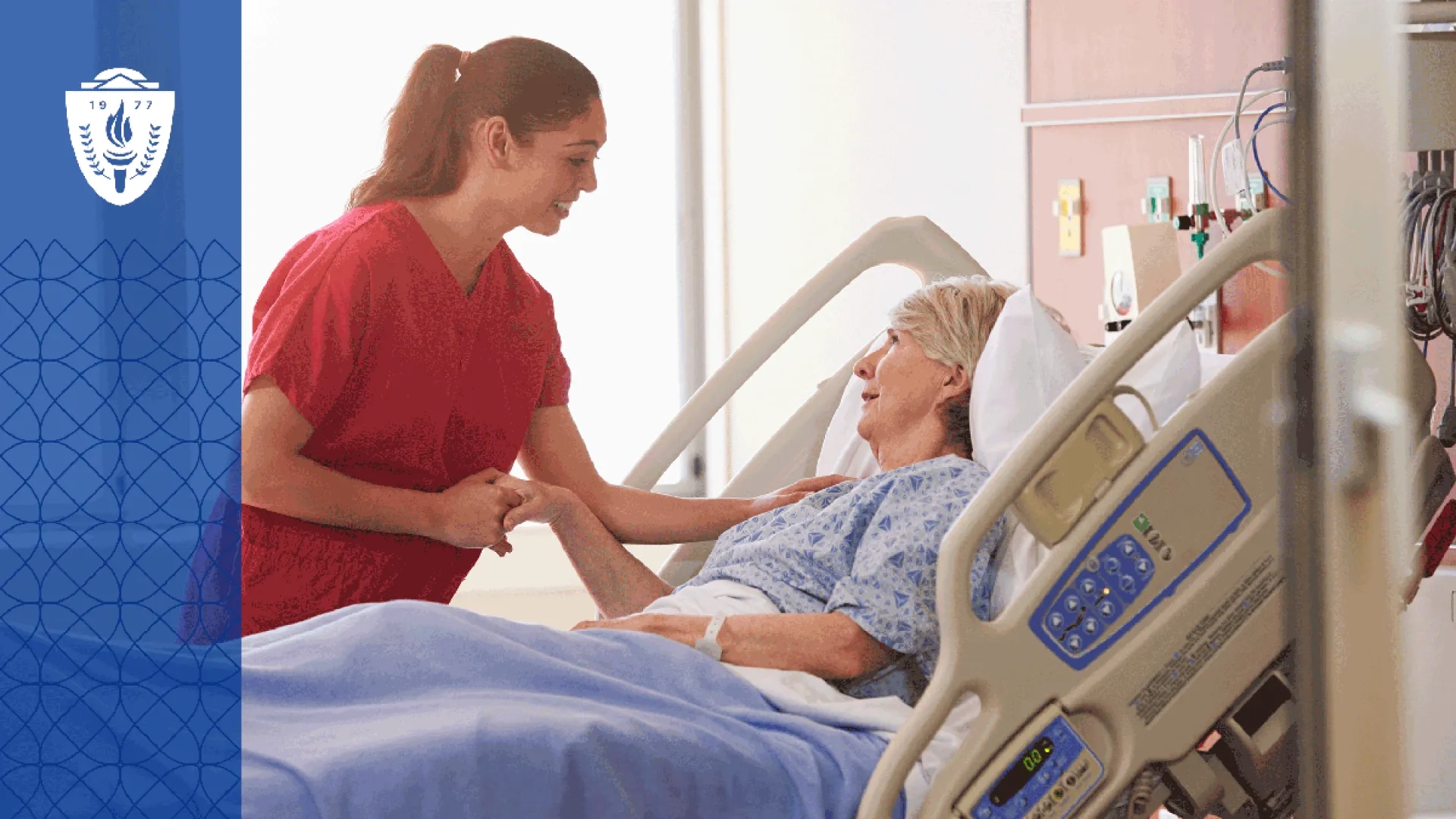


What does a career look like for an Adult-Gerontology Acute Care Nurse Practitioner?
Hospital care can move quickly. A patient’s condition may change within minutes, and care teams must make decisions using lab results, imaging, medications, symptoms, and specialist recommendations. For nurses who are drawn to that pace, the adult -gerontology acute care nurse practitioner role offers a challenging and meaningful advanced practice path.
Adult-Gerontology Acute Care Nurse Practitioners care for patients ages 13 and older adults with acute, critical, and complex health needs. They often work in hospital-based settings where clinical judgment, collaboration, and the ability to respond to change are essential.
For prospective nursing students exploring acute care nursing careers, this specialty offers advanced care in high-acuity environments.
What Is an Adult-Gerontology Acute Care Nurse Practitioner?
An Adult-Gerontology Acute Care Nurse Practitioner, often called an AGACNP, is an advanced practice registered nurse who cares for individuals 13 and older with serious or complex health conditions. While primary care roles often focus on prevention and ongoing health management, acute care roles center on patients who are hospitalized, unstable, or recovering from serious illness or injury.
Patients may need care for heart failure, respiratory distress, sepsis, complications after surgery, neurological changes, cancer-related concerns, traumatic injuries, or multiple chronic conditions. Many need close monitoring, rapid assessment, and coordinated treatment from several members of the healthcare team.
The role requires advanced assessment skills, a strong understanding of disease processes, and the ability to interpret diagnostic information. It also requires clear communication with patients and families during stressful moments.
Where Adult-Gerontology Acute Care Nurse Practitioners Work
Adult-Gerontology Acute Care Nurse Practitioners work in many hospital-based and specialty settings. Their responsibilities depend on the unit, patient population, and structure of the care team.
Common settings include intensive care units, step-down units, emergency departments, surgical and trauma services, hospitalist teams, specialty consult services, academic medical centers, and community hospitals.
Some acute care nurse practitioner jobs focus on one specialty area, such as critical care, cardiology, oncology, pulmonology, or neurology. Others involve caring for a broader range of hospitalized patients as part of a hospital medicine team. In either case, the role places nurse practitioners close to complex patient care and interprofessional decision-making.
A hospital-based AGAC nurse practitioner may help manage changes in condition, support transitions between units, and contribute to discharge planning when patients are ready to leave the hospital.
What a Typical Day May Look Like
A day in acute care often starts with reviewing overnight events, vital signs, lab results, imaging reports, medication changes, and notes from nurses, physicians, and specialists. That information helps shape priorities for the day.
From there, an Adult-Gerontology Acute Care Nurse Practitioner may assess patients, participate in rounds, update care plans, order or evaluate diagnostic tests, adjust medications, and discuss next steps with the care team. In an intensive care or specialty unit, this work may include close attention to breathing status, fluid balance, infection markers, cardiac rhythms, neurological changes, or response to treatment.
The day may also include conversations with patients and families. These discussions can involve explaining changes in condition, answering questions, preparing patients for procedures, or helping families understand what the team is monitoring. In acute care, communication is part of safe, compassionate care.
Because hospital care can shift quickly, priorities may change. A patient may develop new symptoms; a test result may require immediate follow-up, or a planned discharge may need to wait. An Adult-Gerontology Acute Care Nurse Practitioner must stay organized while remaining flexible.
Skills That Matter in Acute Care Nursing Careers
The Adult-Gerontology Acute Care Nurse Practitioner role appeals to nurses who enjoy clinical complexity. It requires curiosity, focus, and comfort with detailed information. It also requires the ability to see the whole person, not just the diagnosis.
Important strengths include strong clinical judgment, clear communication, attention to detail, and the ability to prioritize. A critical care NP or hospital-based AGAC nurse practitioner may coordinate with physicians, bedside nurses, pharmacists, respiratory therapists, rehabilitation providers, social workers, case managers, and specialists. Each team member brings a different view of the patient’s needs.
The work can be intense, but it can also be deeply purposeful for nurses who want to support patients and families during vulnerable moments.
Why This Role Can Be Meaningful
In high-acuity care, progress can look different for every patient. For one person, it may mean breathing without support after a serious illness. For another, it may mean stabilizing enough to move from the ICU to a step-down unit. For another, it may mean having a care team that listens carefully, explains options clearly, and honors their goals.
That combination of advanced knowledge and human connection is part of what makes the role meaningful.
Is This NP Specialty Right for You?
The Adult-Gerontology Acute Care Nurse Practitioner path may be a strong fit if you are interested in hospital-based care, adolescent and adult populations, and complex clinical decision-making. It may also appeal to those who like fast-paced environments, diagnostic reasoning, interprofessional teamwork, and the challenge of caring for patients with serious illnesses.
Students who prefer long-term primary care relationships, community-based care and preventive care may find a different nurse practitioner specialty more aligned with their goals. Acute care focuses more on patients whose conditions require close monitoring, urgent treatment, or specialized hospital care.
For people drawn to high-acuity, hospital-based care, the MGH Institute of Health Professions offers a path focused on preparing nurses for advanced practice with critically ill and medically complex adult and older patients. The Adult-Gerontology Acute Care Nurse Practitioner role can lead to some of the most challenging and consequential areas of nursing practice, where clinical judgment, teamwork, and compassionate care shape patient outcomes every day.