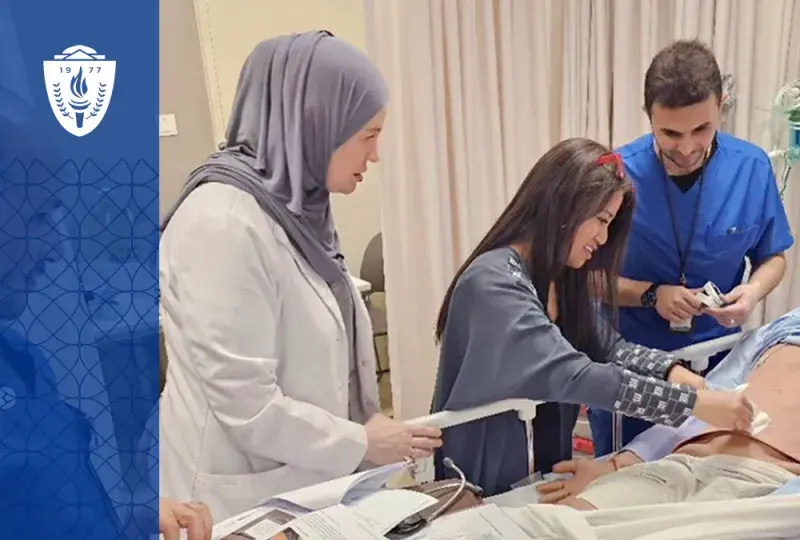
Interprofessional Education in Healthcare: A Foundation in Health Professions Education



Interprofessional education (IPE) has become a cornerstone in the advancement of healthcare systems worldwide, fostering a collaborative approach to patient care that is both efficient and comprehensive. Within health professions education, the integration of IPE is critical, aiming to prepare students from various healthcare disciplines to work seamlessly together as interprofessional teams. This article focuses on the importance of interprofessional education in healthcare, exploring how this discipline enhances the quality of care through collaborative healthcare practices.
Understanding Interprofessional Education
What is interprofessional education? IPE occurs when students from two or more professions learn about, from, and with each other to enable effective collaboration and improve health outcomes. This educational approach is designed to break down the silos that traditionally separate healthcare disciplines, fostering a culture of mutual respect and shared values during training. The goal is to prepare future healthcare professionals to work and practice as part of collaborative, interprofessional team, where the skills and expertise of each member are utilized to provide the best possible patient outcomes.
The Importance of Interprofessional Teams in Healthcare
Interprofessional teams consist of diverse healthcare workers who bring their unique professional perspectives, skills, and knowledge to the patient care continuum. The collaboration among these professionals, including nurses, physicians, therapists, pharmacists, and social workers, among others, is key for several reasons:
- Enhanced, Comprehensive Patient Care: Collaborative healthcare approaches allow for more comprehensive patient assessments, leading to more accurate diagnoses, personalized treatment plans, and improved patient outcomes.
- Efficiency and Innovation: Working as part of an interprofessional team encourages the sharing of ideas and expertise, leading to innovative solutions and more efficient care delivery.
- Reduced Healthcare Costs: Effective collaboration can lead to more efficient use of resources, reducing unnecessary tests, procedures, and hospital stays, thereby lowering healthcare costs.
The Role of Interprofessional Education in Health Professions Education Programs
Health professions education programs should incorporate IPE components to prepare students for the collaborative nature of modern healthcare settings. These programs focus on several key areas:
- Communication Skills: Teaching effective communication strategies to ensure clear and concise information exchange among team members.
- Role Understanding: Educating students on the roles, responsibilities, and expertise of various health professionals to foster mutual respect and trust.
- Teamwork and Collaboration: Developing teamwork skills to facilitate effective collaboration and decision-making in interprofessional teams.
- Ethics and Professionalism: Embedding ethical considerations and professional standards within interprofessional contexts to ensure patient-centered care.
Challenges and Opportunities
While the benefits of interprofessional education are clear, implementing IPE in health professions education programs presents several challenges:
- Logistical Hurdles: Coordinating schedules and curricula across different professional programs can be difficult.
- Cultural Barriers: Overcoming traditional hierarchical structures and professional biases in healthcare is essential for effective collaboration.
- Assessment and Evaluation: Developing appropriate methods to assess interprofessional competencies remains a challenge.
At IHP, we train people to overcome these challenges by demonstrating best practices in our courses and providing examples of how to effectively interact across disciplines. Despite these challenges, the opportunities presented by interprofessional education are immense, offering a pathway to transform healthcare delivery into a more collaborative, efficient, and patient-centered system.
Interprofessional education represents an important shift in health professions education. By fostering a culture of collaboration among future healthcare professionals, IPE aims to enhance the quality of patient care and improve health outcomes. MGH Institute of Health Professions is a leader in this space - our faculty prepare students to thrive in and contribute to interprofessional teams. Collaborative learning experiences with a diverse group of health professionals in our courses provide the foundation for ways educators can implement interprofessional education in their own organizations. As healthcare continues to evolve, the emphasis on collaborative healthcare through interprofessional education is essential to shaping the future of healthcare delivery, making it more integrated, efficient, and focused on meeting the complex needs of patients.