AI and Healthcare Simulation: What Educators Need to Know
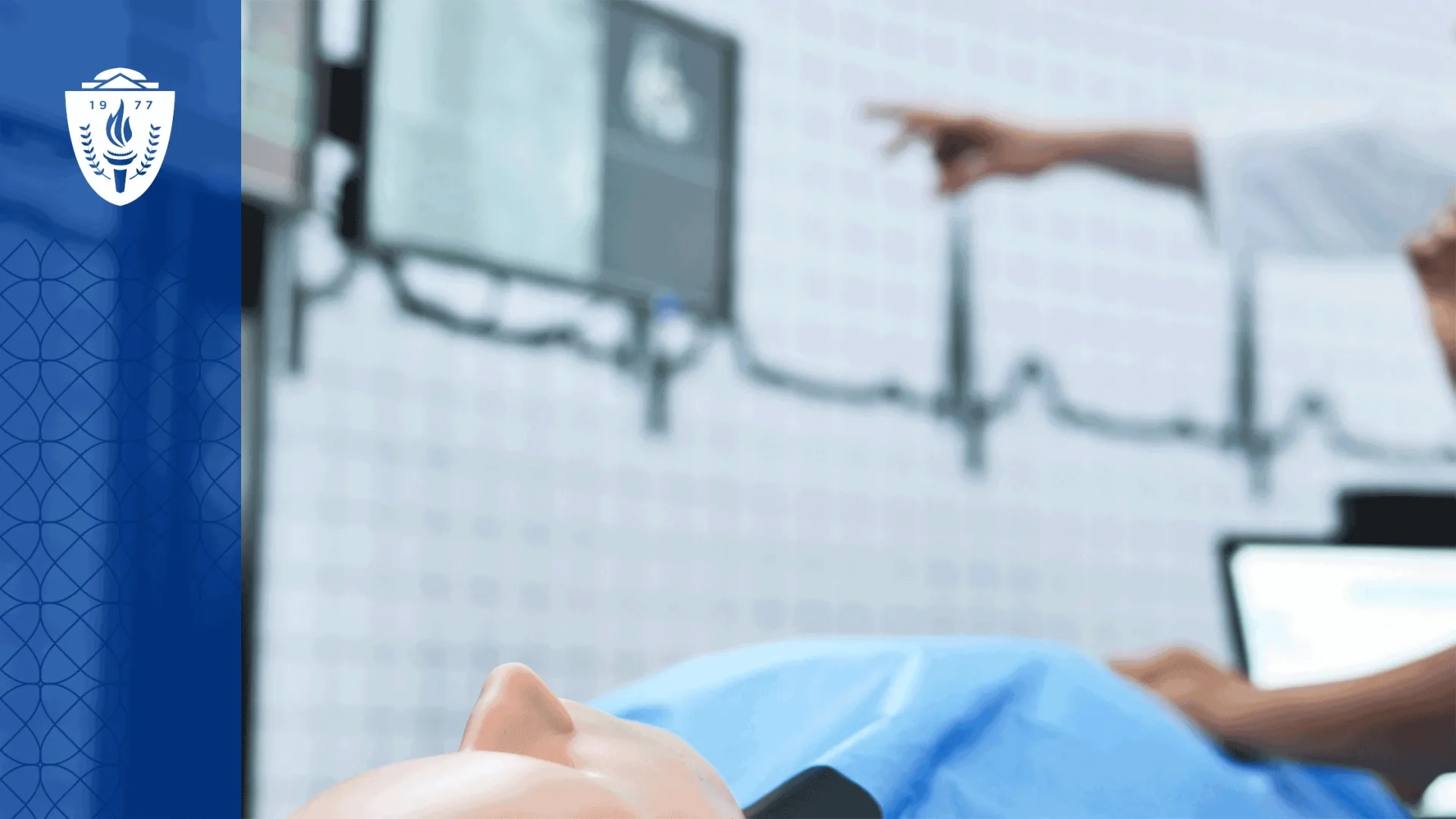


Simulation is one of the most important tools in healthcare education. From practicing emergency responses to strengthening communication between clinical teams, simulation gives learners the opportunity to build confidence and clinical judgment before caring for real patients.
Now, artificial intelligence is positioning healthcare simulation critically as the medium between AI and healthcare practice. It is where AI can be tested and where we can develop AI-ready clinicians. Within conversations around AI in healthcare, simulationists are exploring how these tools may support more personalized learning, improve assessment, and help educators better understand learner performance.
AI is not replacing healthcare educators or simulation specialists. Instead, many institutions view AI as a tool that may strengthen not only healthcare practice, but the educational experience preparing clinicians when paired with thoughtful instruction, strong debriefing practices, and human expertise.
Why Simulation Matters in Healthcare Education
Healthcare is complex, fast-moving, and deeply human. Students must learn far more than technical skills alone. They also need to develop communication abilities, teamwork strategies, ethical reasoning, and clinical decision-making skills.
That is where healthcare simulation plays an important role.
Simulation allows learners to practice patient-care scenarios in realistic clinical environments without putting patients at risk. In nursing, medicine, occupational therapy, physical therapy, speech-language pathology, and many other disciplines, simulation has become a core part of professional training.
Simulation experiences may include:
- Responding to medical emergencies
- Managing difficult patient conversations
- Practicing interprofessional teamwork
- Strengthening clinical reasoning skills
- Learning to adapt under pressure
Simulation also creates opportunities for healthcare educators to observe how learners think, communicate, and collaborate in real time.
How AI Is Influencing Healthcare Simulation
AI in healthcare education is still evolving, but early applications are already beginning to shape simulation-based learning environments.
One emerging area involves adaptive simulation scenarios. In traditional simulations, educators often guide the progression of a case manually. AI-supported systems can help scenarios respond dynamically to learner decisions. For example, a patient’s condition could worsen, stabilize, or improve depending on how a clinical team responds during the simulation.
AI assessment tools are also gaining attention in simulation labs. Some platforms are being developed to help educators analyze learner behaviors, communication patterns, timing, and clinical decision-making during simulations.
This does not mean AI is grading students independently. Instead, the technology helps educators identify trends or performance gaps that could support more targeted feedback.
In AI in nursing education and other healthcare disciplines, educators are exploring how AI supports:
- Personalized learner feedback
- Team performance analytics
- Scenario customization
- Identification of recurring learning challenges
- More efficient assessment documentation
Most healthcare institutions remain in the early stages of implementing AI and education technologies. Many tools are still experimental, and educators continue to evaluate their effectiveness carefully.
Educators Remain Central to the Learning Experience
Simulation is not simply about completing tasks correctly. Some of the most valuable learning happens during debriefing sessions, where educators help students reflect on communication, decision-making, emotional responses, and patient-centered care.
AI cannot replace the human elements that experienced educators bring to simulation-based learning.
Faculty members and simulation specialists provide:
- Clinical context
- Ethical guidance
- Emotional support
- Professional mentorship
- Instructional design expertise
- Human interpretation of learner performance
An educator may recognize that a learner hesitated because of anxiety, uncertainty, or lack of confidence. Technology alone cannot fully interpret those human experiences.
Similarly, healthcare educators help learners connect simulation experiences to real patient care situations. They guide reflective conversations that encourage growth, accountability, and professional identity development.
AI and the Future of Interprofessional Simulation
Healthcare depends on collaboration among nurses, physicians, therapists, pharmacists, social workers, and many other professionals. Simulation environments bring these disciplines together to practice team-based care.
AI-supported analytics may eventually help educators better understand how teams function during simulations. For example, educators may gain insights into communication flow, decision-making patterns, or leadership dynamics within clinical teams.
These tools could help educators design stronger learning experiences while improving patient safety training.
Moving Forward Thoughtfully
Simulation has always been about preparing clinicians to care for people during vulnerable moments. That mission does not change with AI. If anything, it reinforces the importance of thoughtful instruction, ethical decision-making, communication, and compassion in healthcare education.
Healthcare institutions need leaders who understand both education and emerging technologies. Educators must be prepared to evaluate AI tools thoughtfully, protect learner privacy, and ensure that technology aligns with sound teaching practices.
Institutions such as the MGH Institute of Health Professions, the only degree-granting affiliate of Mass General Brigham, are part of a broader movement preparing healthcare educators and clinicians to navigate evolving educational technologies responsibly while maintaining a strong focus on human-centered care.