

What to Look for in a Genetic Counseling Program
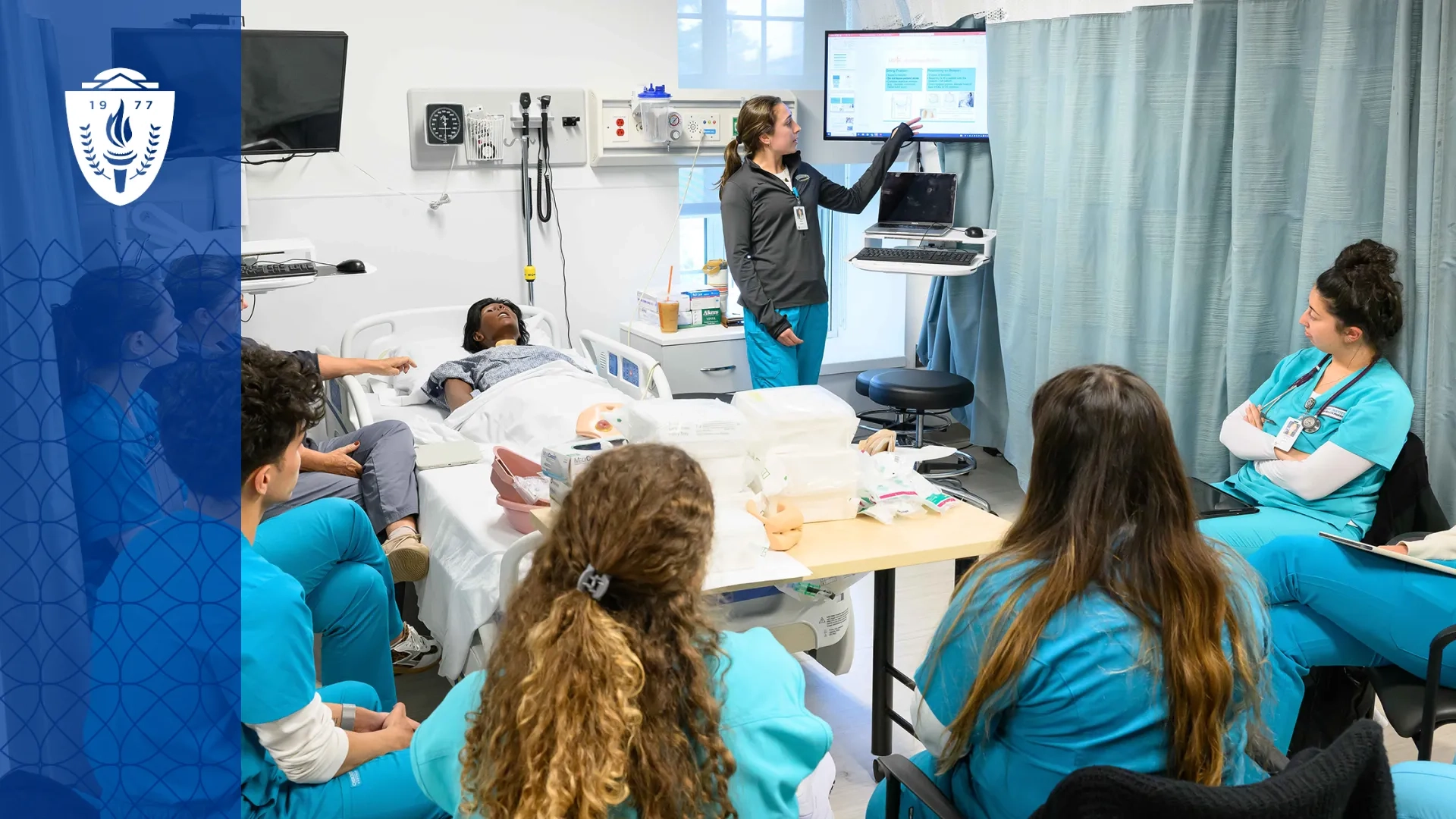


Choosing a graduate program is one of the most important decisions you’ll make on your path to becoming a genetic counselor. With the growing need for genetic expertise across clinical, research, laboratory, public health and policy settings, it’s essential to select a program that sets you up for long-term success. But how do you know which program is right for you?
This guide will help you evaluate key features that define the best genetic counseling programs and how each one supports your education, growth, and impact on patient care.
Is the Program ABGC Accredited?
Your first question should be: Is the program accredited by the Accreditation Council for Genetic Counseling (ABGC)?
ACGC accreditation means the program meets national standards for curriculum quality, clinical training, and professional preparation. Graduating from an ACGC accredited program is also required to sit for the board certification exam, a critical step to becoming a practicing genetic counselor.
Think of accreditation as your foundation. It ensures that the education you receive is trusted, comprehensive, and career-ready. Without it, your path to clinical work may be limited.
Fieldwork Placements that Prepare You for the Real World
Genetic counseling is deeply patient-centered. That means classroom learning must be paired with robust clinical and non-clinical fieldwork placements — opportunities to apply what you’re learning in real-world healthcare settings.
When evaluating programs, look for:
- Partnerships with major hospitals, clinics, or research institutions
- A variety of placements (e.g., prenatal, cancer, pediatrics, adult-onset conditions)
- Opportunities to observe and participate in telehealth counseling
- Genetic Counseling faculty or supervisors actively engaged in patient-facing care, patient advocacy, laboratory and research settings.
Programs place you in settings where you’ll build confidence, adaptability, and a well-rounded perspective on patient care.
Interprofessional Learning: Training the Way You'll Practice
Genetic counselors rarely work in isolation. They collaborate with physicians, geneticists, nurses, pharmacists, speech-language pathologists, and others.
Interprofessional education (IPE) is a critical component of training that prepares you for the team-based, coordinated care environment you’ll enter after graduation.
In a well-rounded program, you’ll:
- Participate in shared learning experiences with other health professions students
- Develop communication and leadership skills across disciplines
- Learn to advocate for patients within a care team
- Understand how genetics intersects with broader clinical decision-making
Programs rooted in IPE are designed to reflect the future of healthcare and your place within it.
Faculty Mentorship and Expertise
Faculty can shape your experience in profound ways. They are not only instructors, but mentors, role models, and professional guides.
As you explore programs, ask:
- Who teaches the courses? Are they practicing genetic counselors, researchers, or both?
- What areas of specialization do faculty bring? Cancer genetics, neurogenetics, rare disease, ethics, etc.?
- How accessible are they for mentorship, research collaboration, or career advising?
A strong faculty means you’ll be learning from people who are driving the field forward — and who care about helping you do the same.
How to Choose the Right Genetic Counseling Program — and Take the First Step
Every student is different and so is every program. The best genetic counseling program for you will be one that not only meets professional standards, but also helps you grow personally, academically, and ethically.
As you explore your options, keep these questions in mind:
- Is the program ACGC accredited?
- Does it offer diverse, high-quality clinical placements?
- Is interprofessional education a core part of the curriculum?
- Are the faculty experienced, supportive, and active in the field?
- Do the program’s values align with your goals and passions?
If you're looking for a program that blends clinical excellence, interprofessional collaboration, and human-centered mentorship, the MGH Institute of Health Professions could be the right place for you. Our ACGC accredited genetic counseling program is designed to prepare future leaders in precision medicine with the confidence, compassion, and clinical skill to make a difference.