Leadership, Legacy, & Impact: Celebrating President Paula Milone-Nuzzo and Her “Ripple Effect”
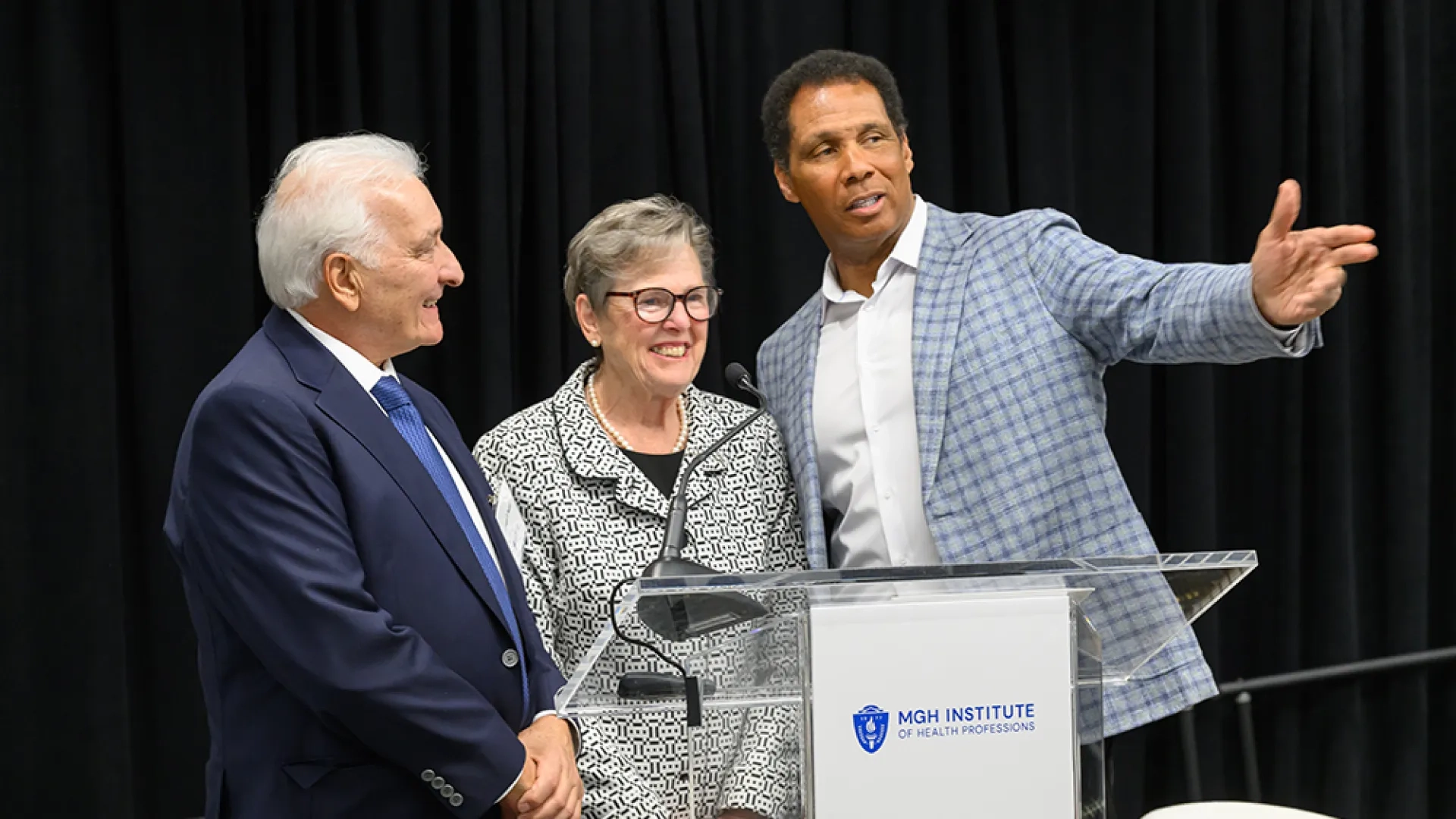


Symposium held for retiring president; panel discussion, guest speaker, tears and laughter make up joyous celebration
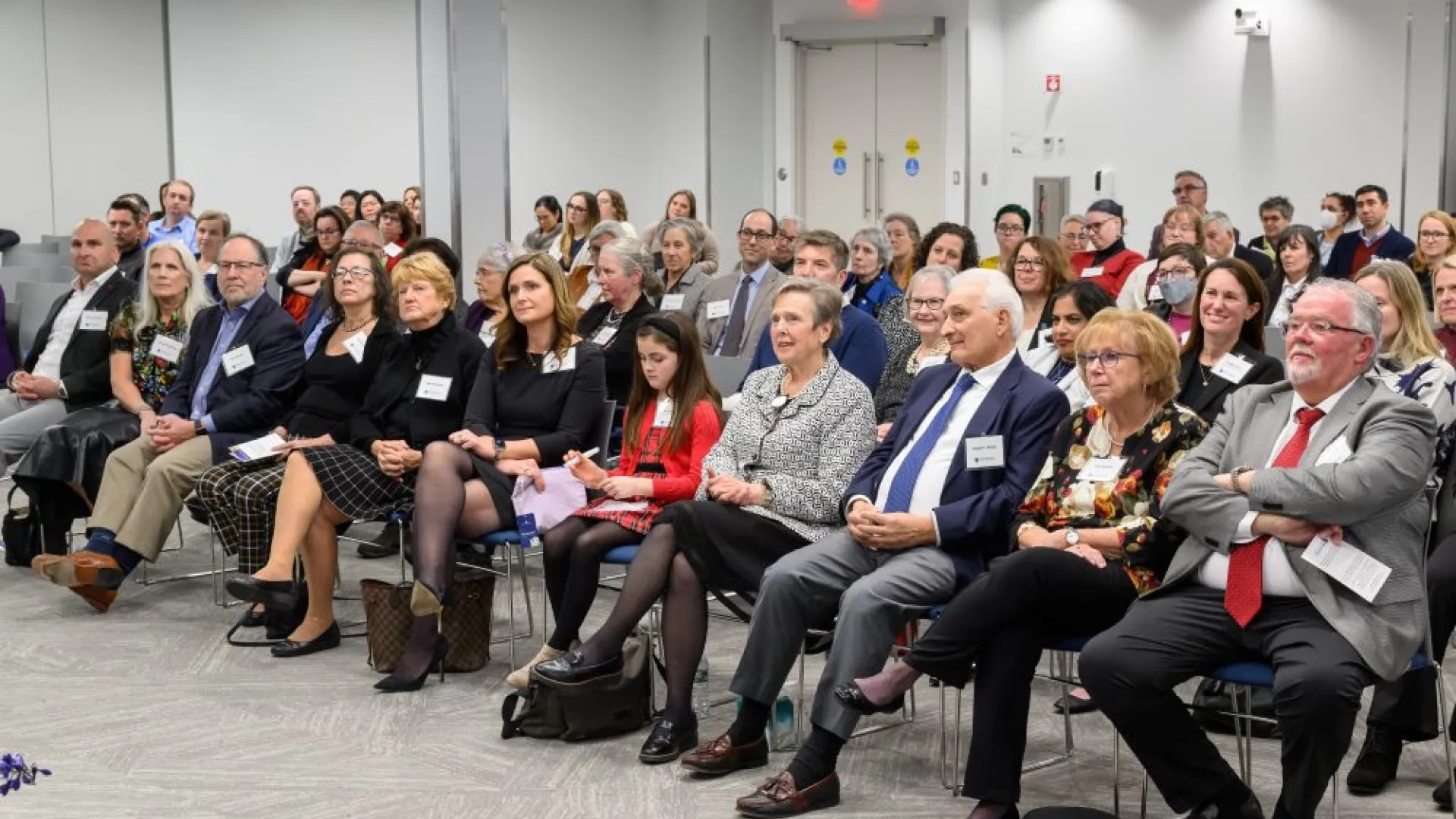
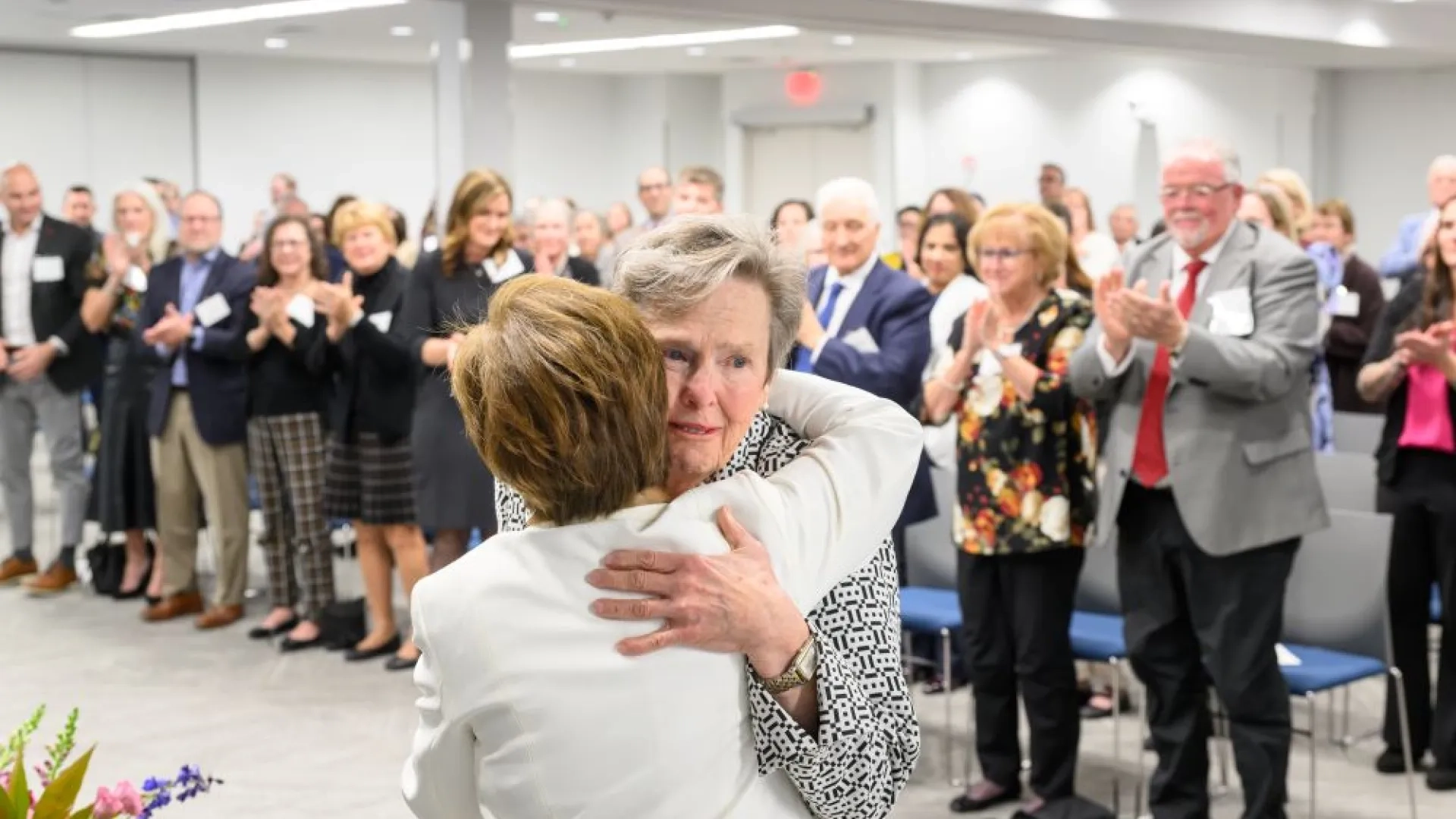
The early leaders of the MGH Institute envisioned an educational experience that would enable healthcare professionals to transform care. Over the past eight years, President Paula Milone-Nuzzo has guided the Institute toward that goal while navigating unprecedented challenges. As she prepares to retire, the community came together last Thursday to explore the elements that are vital to advancing healthcare professions and to recognize all she has done to lead the Institute beyond what the early leaders could have ever imagined.
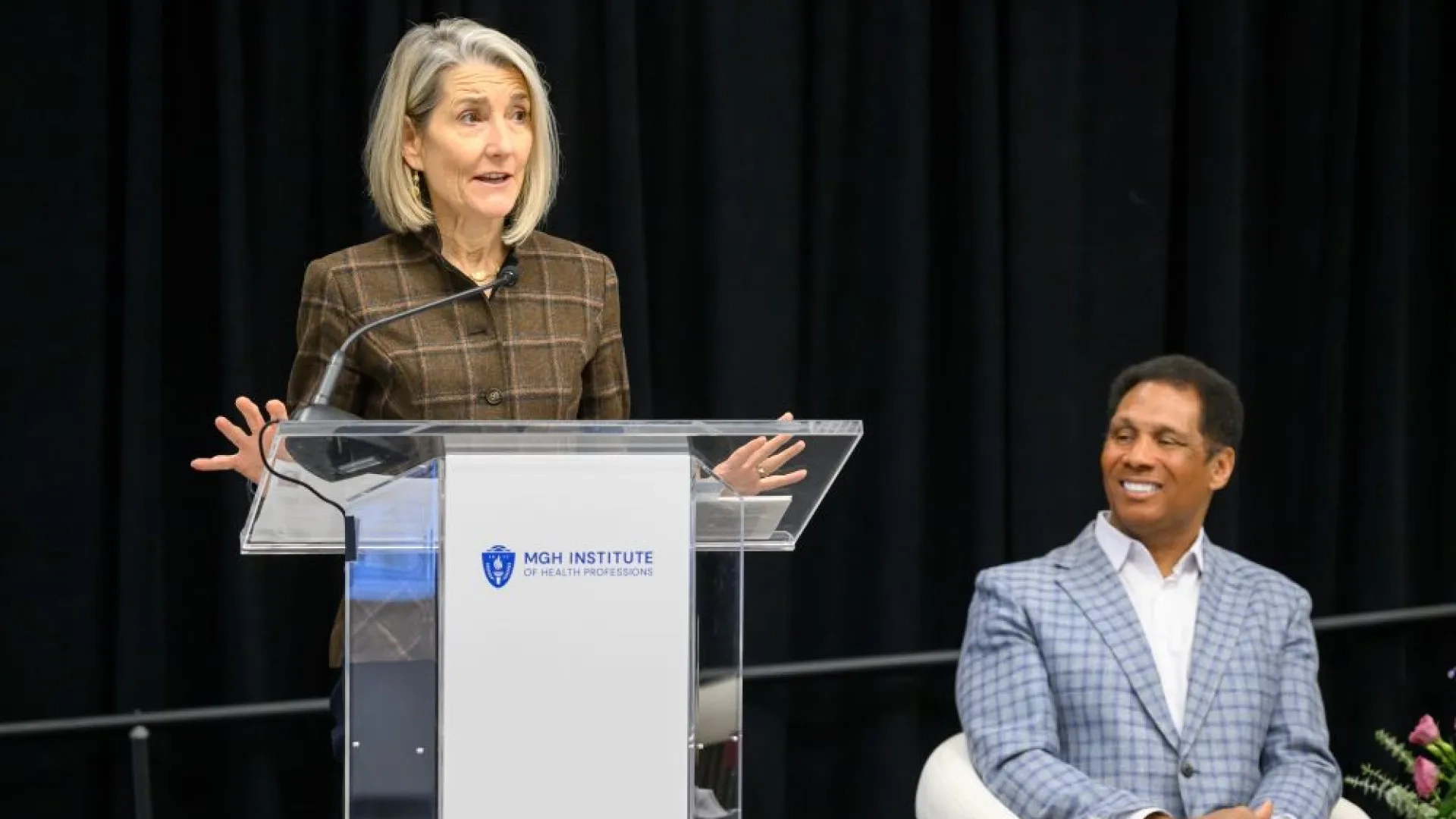
CBS Boston Sports Director Steve Burton moderated the celebration, sharing the current state of financial stability, enrollment gains, and new programs that have been developed under Dr. Milone-Nuzzo’s leadership. He also shared a personal story to highlight the impact she has had.
“Before my dad died, he got our family together and asked a very simple question,” explained Burton. “What ripple effect will you have when you leave this earth? Paula has left a tremendous ripple effect.”
Her ripple effect started more than 50-years ago when she became a nurse and continues to this day.
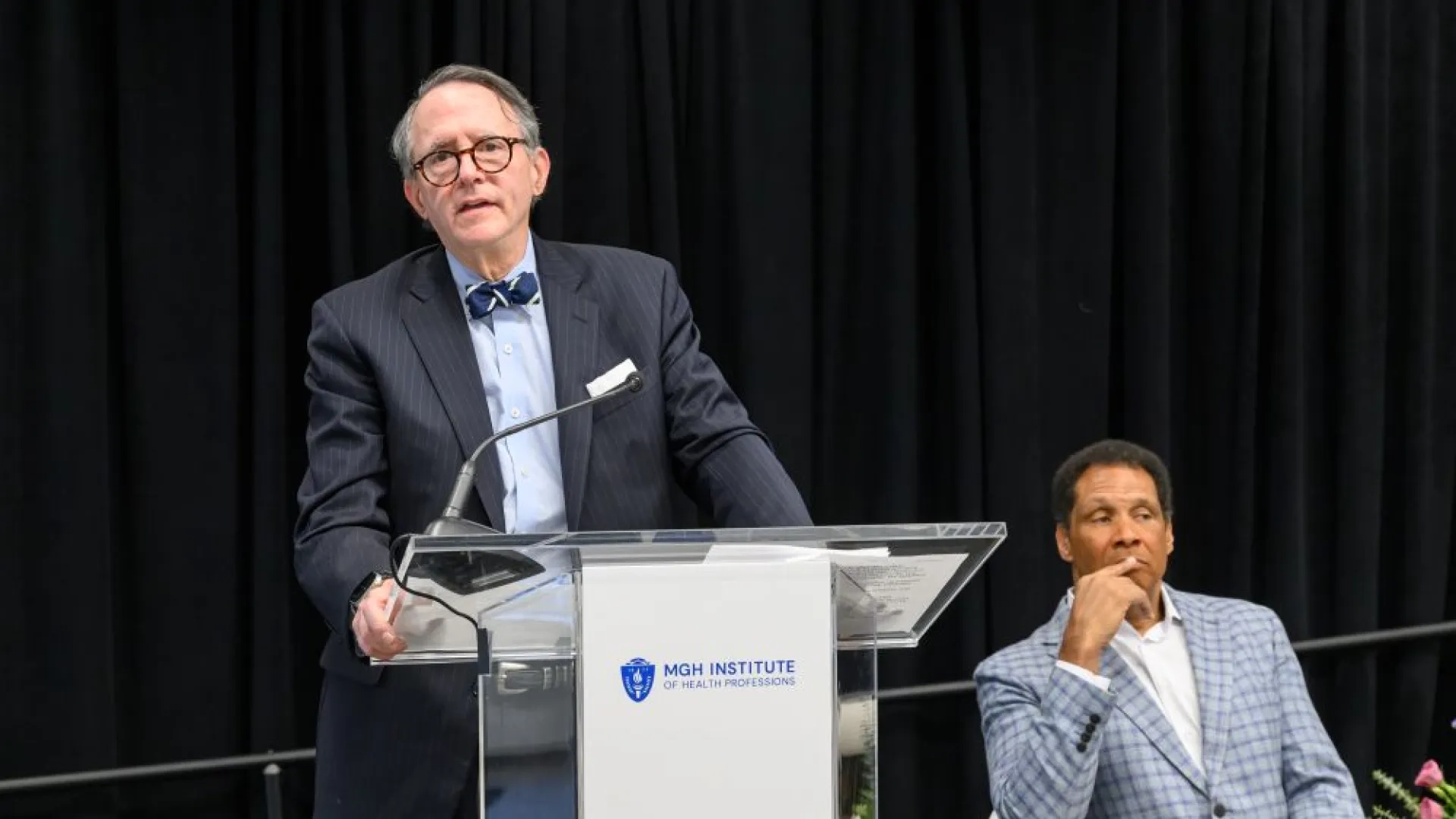
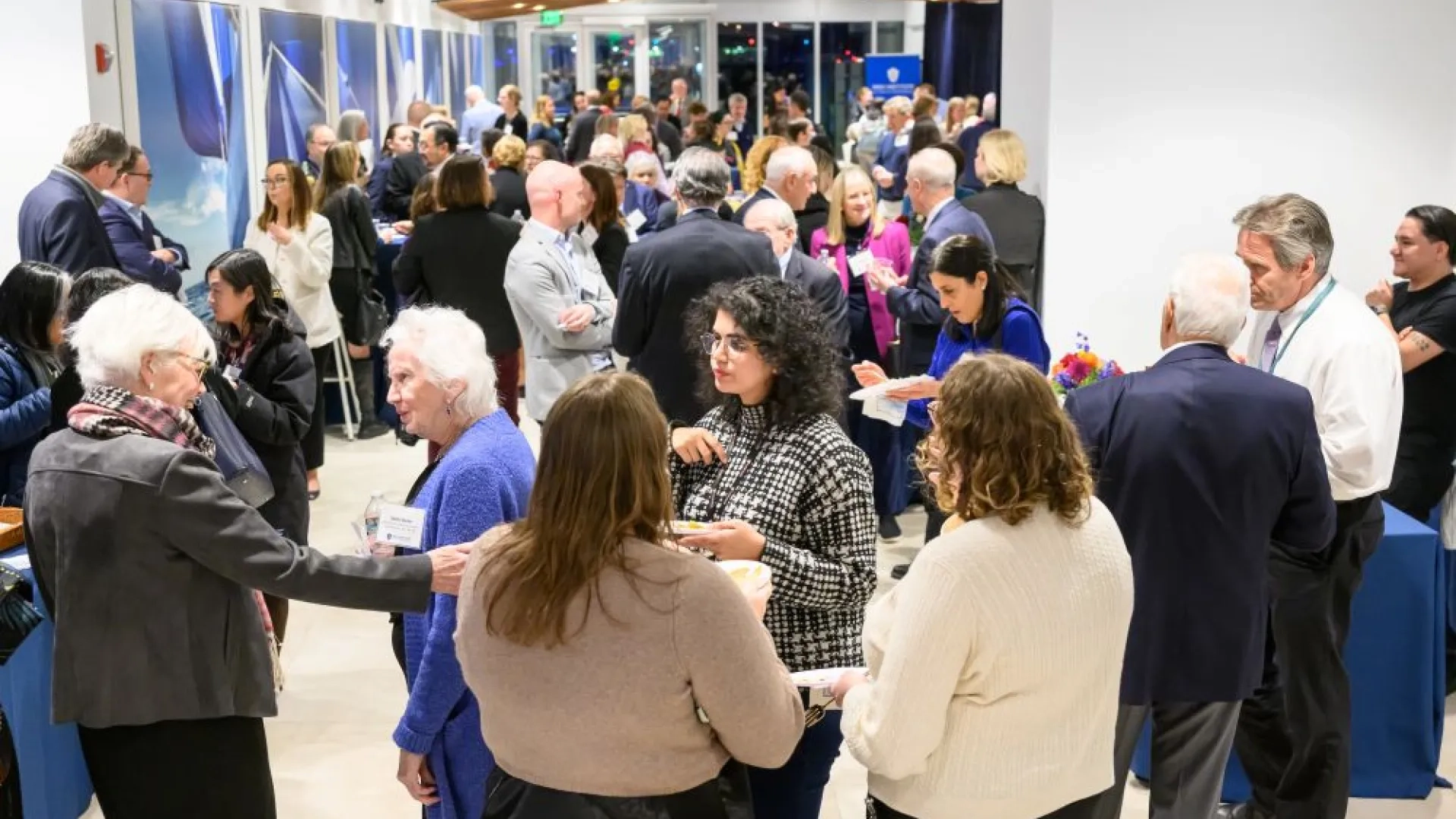
“It’s impossible not to reflect on how deeply she has shaped the heart and the very soul of the Institute of Health Professions,” Board of Trustees Chair Jeannette Ives Ericson, RN, DNP ’11 told the full room in 1 CW, where the celebration of Milone-Nuzzo’s career was held. “From her earliest days as a community health nurse to her visionary presidency, Paula has always been driven by one purpose, and that’s to lift people up. She has spent her career removing barriers, opening doors, and believing in people, even before they believed in themselves.”
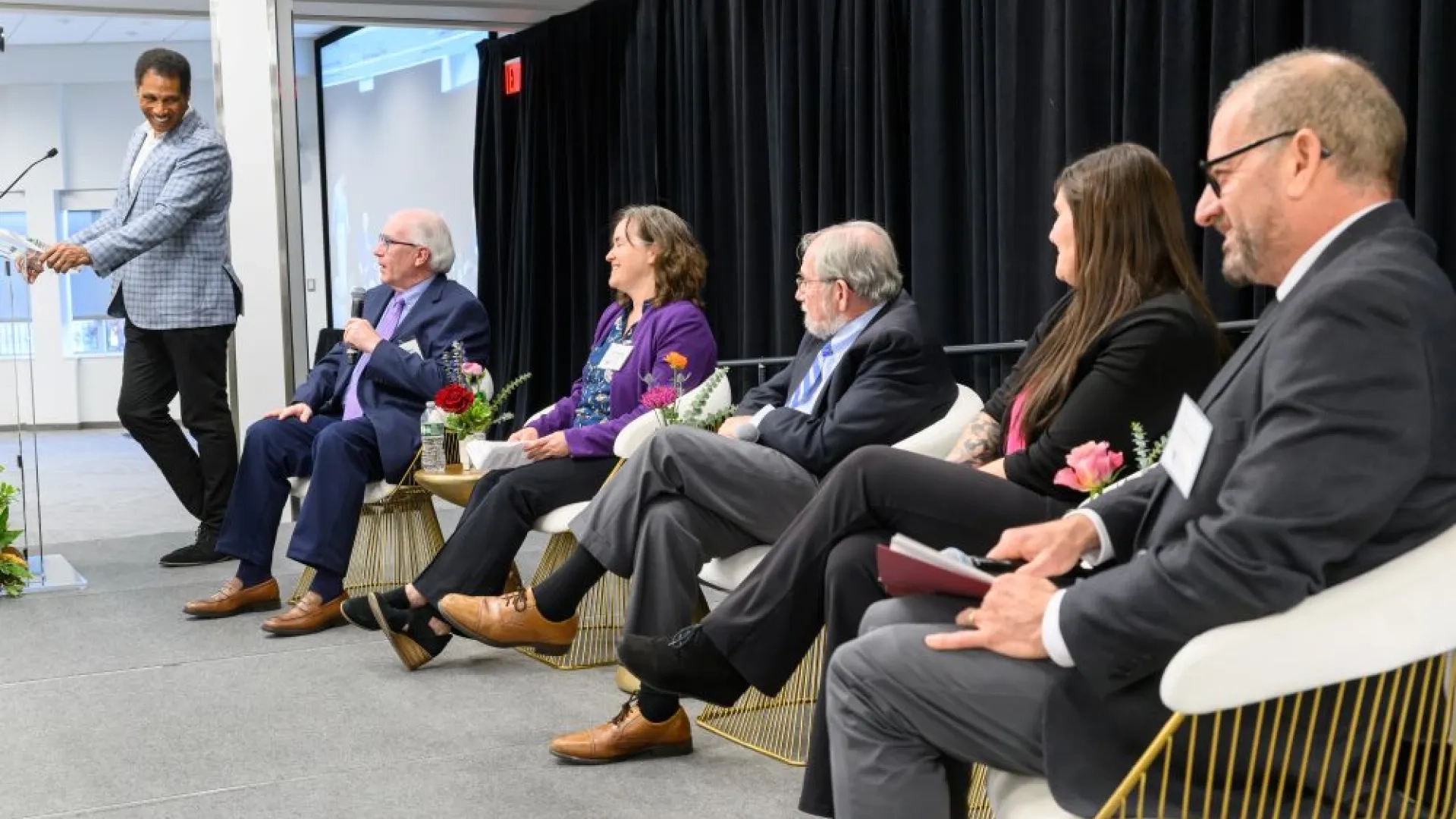
The largest ripple is perhaps the students who have graduated and gone on to bring the lessons they learned at the Institute to their patients. From the beginning, she made time to connect with students, a point raised numerous times during the panel discussion that was focused on Milone-Nuzzo’s impact.
“The one nuance that Paula introduced is that the student must be always at the center of what we do here,” said Chief Operations Officer Denis Stratford, who recounted that when Milone-Nuzzo started on August 15, 2017, she took two hours to walk the campus with him to see what students experienced during the day. “With every student we encountered, Paula stopped and introduced herself and asked, ‘What’s your name? What program are you in? Where are you in that program? What do you want to do when you graduate?’ So what we had planned to do for two hours eventually took eight hours over her first week and a half. Then set the tone for the next eight years.”
That personal interest in students was evident to the students.
“I remember the first time that I was invited to an event that had the word president in the title,” said panelist Leah Rothchild, a 2024 DEN graduate. “I thought that Paula would maybe make a brief appearance, shake a few important hands, and then leave the way politicians typically do, but that was never my experience. She was present for the entire event. She would mingle with everybody that was there, and she always carved out time for students.”
That was not the only way that students experienced Paula’s influence.
“I just loved every moment of my time here,” continued Rothchild. “I had amazing clinical rotations in the Boston area. There were amazing opportunities where I could participate in optional, interdisciplinary collaboration that really enhanced my knowledge and skills. My faculty were incredible, and they utilized new and evidence-based teaching modalities that really focused on critical thinking rather than just simple memorization. All of this happened under Paula's leadership.”
The incredible faculty that Rothchild studied under were also the recipients of Paula’s leadership and attention.
“I am a strong believer in the role of faculty contributing to the science of health care,” said Milone-Nuzzo in her remarks. “From that science comes innovation and improved health care and health care education. Over the years, we have created a culture that seeks new ways of teaching, new approaches to health care and new models of conducting research. Our graduates are prepared to transform healthcare delivery because they learned from all of you, the leaders in the field, with accomplishments of the people who make up MGH Institute of Health Professions.”
Noted Dean of the School of Health and Rehabilitation Sciences Laura Plummer, PT, DPT, EdD, during the panel discussion: “She's a true leader who has always understood that leadership isn't about accolades or titles. It's about empowering the people of an organization and about supporting initiatives that move the organization forward. Under Paula’s leadership, we have always been supported to be creative and innovative to think about how we can expand the reach of the IHP to help the people that we serve, and how we can support the mission and vision of the IHP. And that has been because of Paula. She's fostered a culture where all voices matter and are heard, and she's encouraged diverse perspectives.”
Milone-Nuzzo also supported the build-up of the Institute’s research; the portfolio grew to more than $50 million supported by more than 70 faculty-led grants.
These are highly competitive, difficult to get grants, shared panelist Jordan Green, PhD, CCC-SLP, Chief Scientific Advisor, Director of the Speech and Feeding Disorders Lab, Matina Soureis Horner Professor in Rehabilitation Sciences. “Each grant signifies innovation, discovery and hope for the many communities that we serve. Because of this remarkable growth, IHP is recognized now as one of the fastest growing research programs in the entire MGB system. That kind of progress was only possible because Paula was a tireless advocate for research. Paula ensured that research was not just a side effort, but a defining part of our identity as a leading health profession, education institution.