



My son’s seventh-grade school principal sent a YouTube video this morning to everyone in the school. In it, he wanders around the schoolyard at 8:15 a.m. He calls to the students, the childrenincluding my son—to come in from the yard because it is time for school to start.
Craning his neck, looking for the students, he walks to the front door, keys clanging on his belt loop. His head moves from side to side, searching for where the students are, his voice questioning the emptiness. The camera follows him and sweeps by the empty parking lot, the still-barren trees and grey sky. He opens the front door, where he usually stands greeting the throngs of children, the tumbly kindergarteners under the weight of their backpacks, and the teenagers with their greasy, shaggy hair and their doodled-on sneakers. He looks around again, feigning confusion, calling for his students.
Finally, looking straight into the camera, he smiles broadly: “Oh! There you are!” The video ends. Like Mr. Rogers who could connect to a single child, this devoted educator did the same for my son. It made me cry instantly. This man wishes to reach my son, my woeful, unscheduled son, and will look for him until he can find him on the other side of the internet connection.
I see my own nursing students on Zoom, 21 of them, almost-graduates of a very demanding nurse practitioner program at the MGH Institute, and I want to send that same signal to them. They are worried for a multitude of reasons, and their worries are legitimate. Most are working as newly-minted registered nurses in Boston hospitals that are bracing for the surge of COVID-19 patients that are promised to come. They have no seniority, less than a year’s experience as RNs, and tuition bills.
Their supervisors pressure them into taking extra shifts, and they acquiesce because they are passionate and hungry for experience and paychecks. They worry about falling sick, infecting their own small kids or babies at home, and whether they will be able to graduate and take their place as nurse practitioners as they had planned. Their faces on Zoom are earnest, they sit up and pay attention, and ask a question they know I cannot answer: “Will we meet again this semester in Boston?” I see my own face redden over the hour I spend with them as I work hard to pierce through the Internet the way my son’s principal did on his YouTube video this morning.
On Wednesday, I will go to Baystate Medical Center in Springfield for my once-weekly clinical shift. There will not be a protective Internet shielding me from the coronavirus or my patients. I will don my assigned mask and step into the reality of what is happening to all of us. I’m sure my face will redden again over the day with effort. This work will topple me from my ivory tower, legitimize me with my students, and make my own worried sisters wring their hands. I may bring home the virus on my clothing or in my lungs and infect my own tidy home. I do it for the same reasons my students do: because I am needed, because this work is my identity, and because I am swept up by the vortex of need. After my shift, I will strip at the back door, take a shower, and be aware of every time I cough near my own kids and spouse.
My son’s principal showed up this morning, both in the schoolyard and in my email box. My clear-eyed, ambitious, and smart students will show up to my desk via Zoom. I will bounce between all of them, straining for clarity and consciousness in this very strange time.
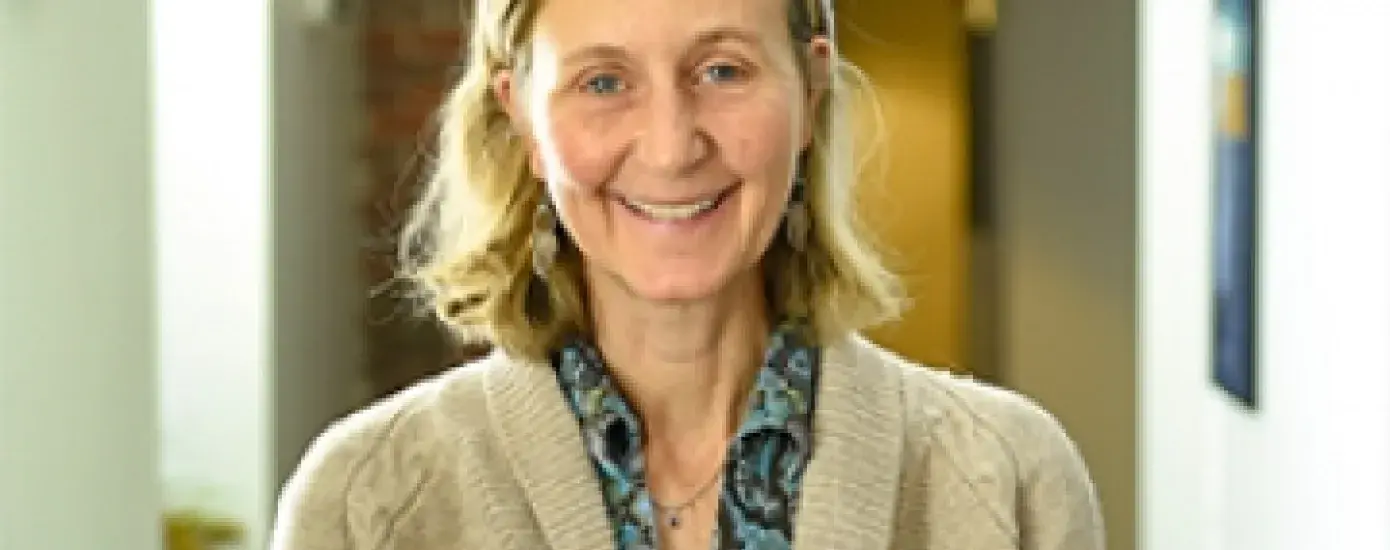
Sarah Rossmassler is an assistant professor of nursing in the School of Nursing. She received her Master of Science in Nursing in 2001, and her Doctor of Nursing Practice in 2018, from the MGH Institute.