Beyond the Heart: Alumni Advancing Interdisciplinary Cardiac Care



Caring for patients with cardiac diagnoses extends far beyond the heart itself. It requires coordinated expertise, thoughtful communication, and a deep commitment to whole-person recovery. From providing genetic counseling to people with inherited cardiovascular disorders to supporting safe swallowing after critical illness to rebuilding patients’ strength following complex hospitalizations, our alumni are advancing cardiac care in powerful and interdisciplinary ways. This month, we highlight three graduates whose work demonstrates how collaboration across disciplines improves outcomes and restores quality of life.
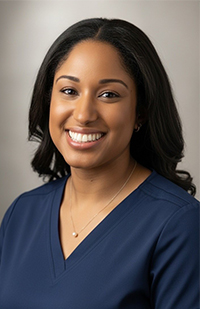
Caitlin Finn, MS-GC ’21
Beth Israel Deaconess Medical Center
Cardiovascular Genetic Counselor
Why did you choose cardiology as your area of practice? Or, if cardiology found you, what excites you most about working with this patient population?
I was drawn to cardiovascular genetics because it combines complex genetics with the opportunity to make a real impact by preventing sudden cardiac death. I’m also passionate about supporting patients and families who may be coping with the loss of a loved one while helping them understand and manage their own risk.
How has your IHP training shaped how you approach patient care, collaboration, or leadership today?
My IHP training prepared me to work effectively on interdisciplinary teams and collaborate closely with cardiologists, nurse practitioners, medical assistants, and others. It strengthened my communication skills and reinforced the importance of valuing each team member’s perspective to provide the best possible patient care.
What is one thing you wish other health professionals better understood about your role?
One thing I wish other health professionals better understood is that genetic counseling goes far beyond obtaining consent for testing. We translate complex genetic information, care for the needs of entire families (not just the individual patient), and provide counseling support to help patients and families navigate the emotional impact of genetic disease.

Jillian Davis, MS-SLP ’19
Massachusetts General Hospital
Speech-Language Pathologist
Why did you choose cardiology as your area of practice? Or, if cardiology found you, what excites you most about working with this patient population?
The cardiology population particularly interests me because it is often an unexpected and lesser-known area of practice for speech-language pathologists. These patients are frequently critically ill, deconditioned, and navigating an especially vulnerable period in their lives. They often do not anticipate experiencing difficulties with swallowing or communication, which can add to the stress of hospitalization. I feel privileged to provide SLP services during their acute care stays, offering education, support, and meaningful intervention.
How has your IHP training shaped how you approach patient care, collaboration, or leadership today?
My training at the IHP strongly emphasized the importance of interdisciplinary care, particularly in acute care settings. Caring for medically complex patients requires close collaboration and effective communication among many professionals, each addressing different aspects of health. IHP’s interprofessional environment gave me valuable insight into the roles of other healthcare providers, which continues to influence how I collaborate, communicate, and advocate for patients daily.
What is one moment in your work that reminded you why you chose this profession?
One of the most meaningful moments in my work is helping a patient safely take that first bite or sip of a favorite food or drink after a prolonged ICU stay, surgery, or acute cardiac event. These small but powerful victories remind me why I chose this profession and how meaningful it is to restore something so fundamental to a patient’s quality of life.
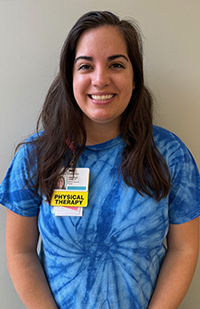
Christina Lopez, DPT ’22
Spaulding Rehabilitation Hospital
Physical Therapist
Why did you choose cardiology as your area of practice? Or, if cardiology found you, what excites you most about working with this patient population?
My final semester of college, I spent time in a cardiopulmonary rehab and started to love this population (to my surprise at the time!). It was so exciting to find ways to help people exercise safely and to promote continued exercise adherence for many who previously had not been in the habit of any type of exercise. A few years later, during my final clinical internship of PT school, I found myself loving the inpatient side of cardiopulmonary care and helping these patients grow stronger and start to get their life back on track after, oftentimes, a very lengthy and complex hospital stay.
How has your IHP training shaped how you approach patient care, collaboration, or leadership today?
My IHP training was vital to my approach to patient care today! PT school was extremely collaborative, and I got to see a variety of clinical settings and work with many different interdisciplinary team members during my schooling, which helped start to round me out as a new and growing clinician.
What is one moment in your work that reminded you why you chose this profession?
I have so many moments that remind me why I chose this profession. Helping a patient go from being on a ventilator and fully dependent to decannulated and ambulatory is one of the most rewarding experiences. These patients work so hard and are frequently up against so many odds, so seeing someone with a disease such as Guillain-Barré syndrome, for example, fight so hard and start gaining back their mobility and life always helps me put things in perspective.