

Why Cardiac Device Technicians Are in High Demand Nationwide
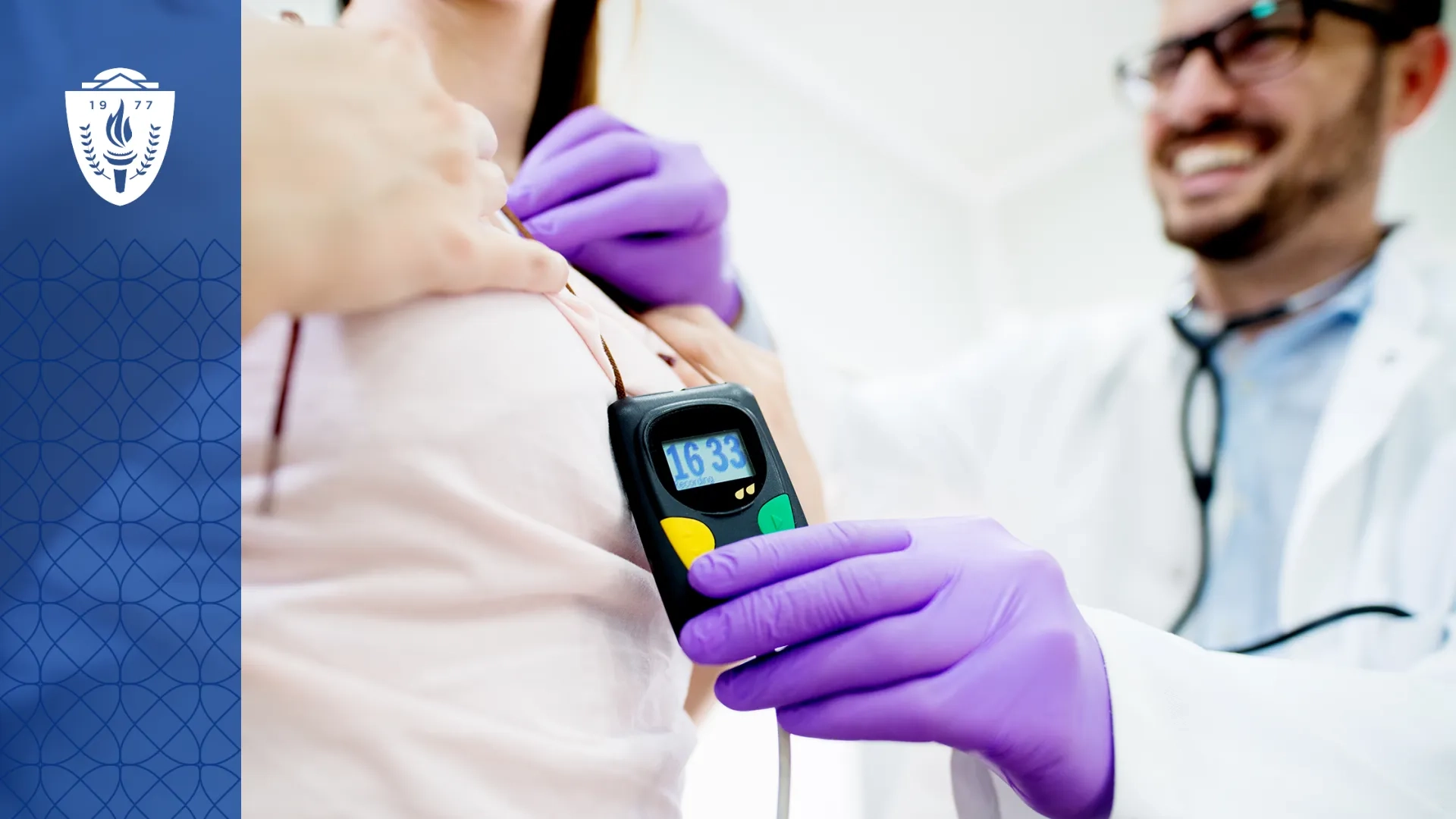


If you’ve never heard of a cardiac device technician, you’re not alone. But in hospitals and cardiology practices across the U.S., these professionals perform essential work—monitoring, programming, and troubleshooting life-saving devices. And today, demand for them is rising faster than ever.
A Growing Shortage in Heart Care
The U.S. healthcare system is facing a shortage of specialists trained to support pacemakers, implantable defibrillators, and other cardiac devices. While cardiovascular technologists and technicians number about 55,660 nationwide, their responsibilities often don’t include the full spectrum of implanted device management. (bls.gov) This means the pool of truly qualified cardiac device technicians is even smaller—so hospitals and device manufacturers are competing for talent.
The Aging Population Effect
As the American population ages, more people develop heart conditions that require implanted devices. Millions now rely on pacemakers or implantable cardioverter-defibrillators (ICDs), and that number is expected to rise. Meanwhile, cardiovascular disease is projected to grow by more than 30% by 2060, according to projections cited in cardiology workforce studies. (info.medaxiom.com) In short: the demand curve is steep.
Technology Driving Career Growth
Modern cardiac devices are sophisticated—capable of wireless monitoring, remote adjustment, and real-time data alerts. These advances mean clinicians and device companies need personnel who can interpret device data, ensure proper programming, and act quickly on device alerts. In a related field, medical equipment repairers (who perform maintenance and calibration on biomedical equipment) are projected to see 13% job growth from 2024 to 2034, with 7,300 openings per year. (bls.gov) That suggests strong momentum for device-centric technical roles.
Career Outlook: Stability and Earning Potential
For students considering this path, here’s what the numbers look like:
- Among cardiovascular technologists and technicians, the mean salary is about $70,270/year (mean hourly ~$33.79) (bls.gov)
- ZipRecruiter reports that pacemaker technicians earn around $23.43/hour on average (roughly $48,700/year) with variation depending on location and experience. (ziprecruiter.com)
- In “Health Technologists and Technicians, All Other,” mean annual pay is ~$54,220 (with 171,110 employed). (bls.gov)
These figures underscore that for the right niche (cardiac device work), there’s both upward earning potential and strong job demand.
Why This Role Matters
Beyond technology and numbers, the human side is vital. Cardiac device technicians don’t just “program machines”—they interact with anxious patients, explain how devices work, detect early signs of malfunction, and coordinate with cardiologists to optimize therapy. That blend of technical skill and patient impact is rare.
Ready to Take the Next Step?
If you’re drawn to healthcare, innovation, and making a direct difference in patient lives, a career as a cardiac device technician offers a compelling path. Students at the MGH Institute of Health Professions gain hands-on experience, clinical connections, and guaranteed job interviews within the world-class Mass General Brigham system—preparing them to meet the growing national demand for cardiac device specialists and to lead in a rapidly evolving field.