

A Day in the Life of a Cardiac Device Technician
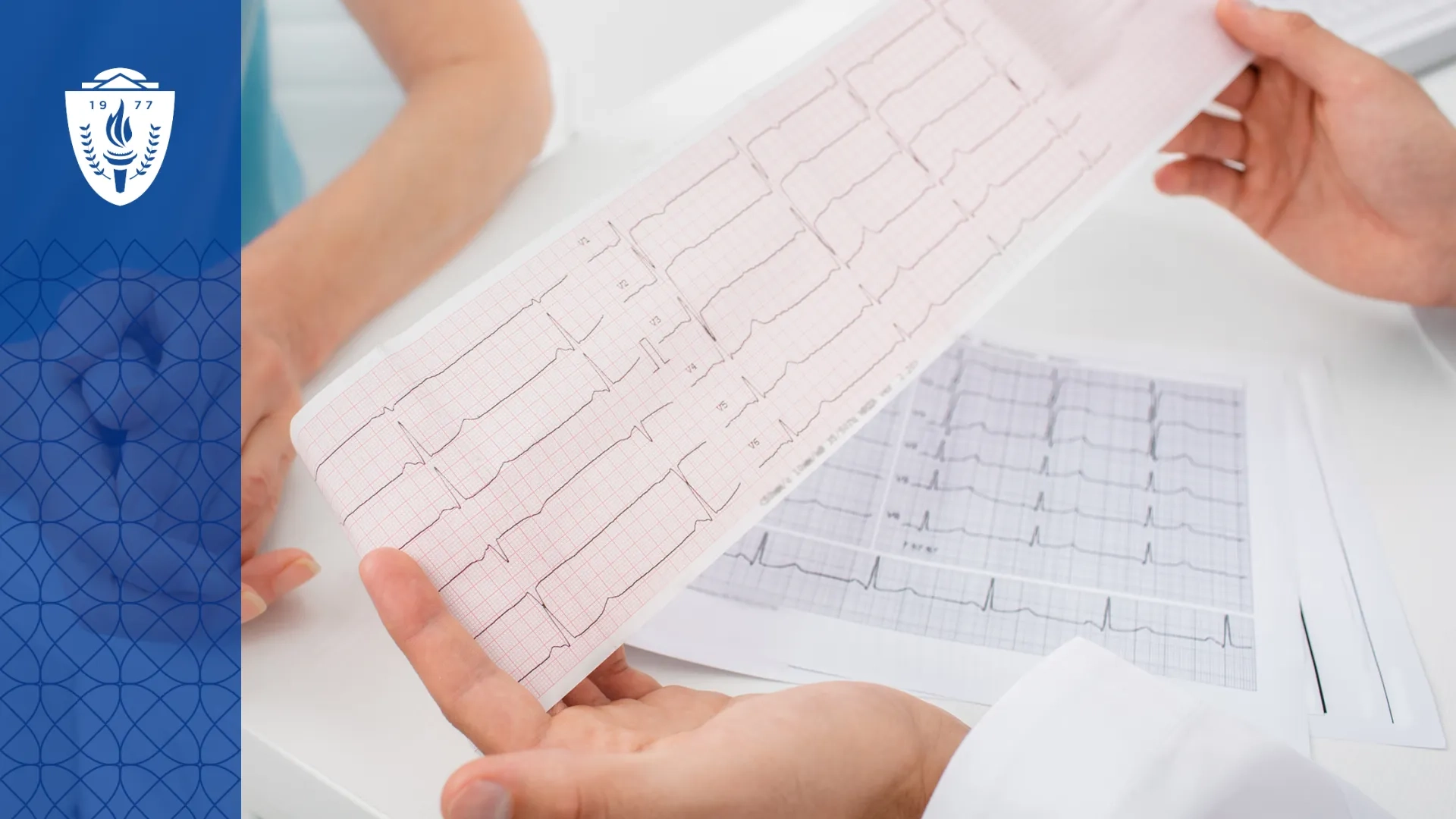


When most people think about life-saving technology, they picture emergency surgery or high-tech imaging equipment. But for millions of patients living with pacemakers and implantable cardioverter-defibrillators (ICDs), the unsung heroes are the cardiac device technicians who keep these devices working safely and effectively. It’s a career where each day brings new challenges, close collaboration with patients and physicians, and the knowledge that your work helps hearts keep beating.
Morning: Starting with Patient Care
In a hospital or clinic setting, a cardiac device technician’s day often begins with scheduled device checks. Patients come in for follow-up visits, sometimes just weeks after surgery. The technician uses specialized programmers to “interrogate” the device — checking its battery life, reviewing how it has been performing, and ensuring the settings are optimized for the patient’s needs.
Beyond the technical tasks, technicians spend time explaining results to patients, answering questions, and reassuring them. For many patients, living with a pacemaker or defibrillator can be intimidating, and the technician’s calm expertise is a source of comfort.
Midday: Teamwork with Cardiologists
No two cases are the same, which is why collaboration is central to this role. Technicians often meet with cardiologists to review device data and discuss next steps. Together, they may decide whether a device needs reprogramming, if medication adjustments are required, or if further testing is needed.
This teamwork not only builds technical expertise but also gives technicians the opportunity to see how their work directly supports patient outcomes.
Afternoon: Remote Monitoring and Emergency Calls
As the day continues, many technicians turn to reviewing data from remote monitoring systems. These systems transmit device information directly from a patient’s home to the clinic, allowing for earlier detection of issues like irregular heart rhythms.
At times, a technician may need to handle urgent calls — such as when a device detects abnormal activity and sends an alert. Quick response in these moments can make a life-saving difference.
A Different Path: Working in Industry
Not all cardiac device technicians work in hospitals or clinics. Many build careers in the medical device industry, supporting the development, testing, and training of new technologies.
A “day in the life” in industry might include collaborating with engineers on device improvements, traveling to hospitals to train clinicians on new equipment, or providing technical support during surgical implants. These roles offer opportunities to shape the future of cardiac care while still keeping patients at the center.
Skills That Make the Difference
What does it take to succeed as a cardiac device technician? A mix of technical and interpersonal skills.
- Technical expertise to understand device programming and interpret cardiac rhythms.
- Knowledge and understanding of heart anatomy and physiology.
- Problem-solving skills to troubleshoot device issues in real time.
- Communication skills to explain complex information to patients and work effectively with healthcare teams.
- Empathy to support patients who may feel anxious about their condition or device.
Why This Career Matters
Cardiac device technicians play a critical role in modern healthcare. The demand for professionals trained in this specialty is high — with hospitals, cardiology centers, and device companies all seeking skilled talent. Beyond job stability, this career offers the unique satisfaction of knowing your work directly impacts lives every single day.
Take the Next Step
If you’re drawn to technology, teamwork, and patient care, a career as a cardiac device technician could be the perfect fit. At the MGH Institute of Health Professions, our Cardiac Electronic Device Technician Certificate prepares you with the clinical skills, technical knowledge, and hands-on experience needed to excel in this growing field. We’ve also partnered with the MGB Heart and Vascular Institute to provide immersive, hands-on experience across MGB’s world-class clinical settings, empowering graduates to step confidently and competently into practice on their very first day.