


Mentorship plays a vital role at every stage of a professional journey. In this issue, we’re highlighting two IHP alumni mentors who share what it has meant to support students during their education and how mentorship has continued to shape their own growth as clinicians. From building confidence in the “messy moments” to carrying forward the values of empathy, collaboration, and patient-centered care, their reflections remind us that mentorship is not a one-way exchange. It’s a shared experience—one that strengthens our community, deepens our connections to the IHP, and reinforces the importance of both seeking guidance and offering it throughout our careers.
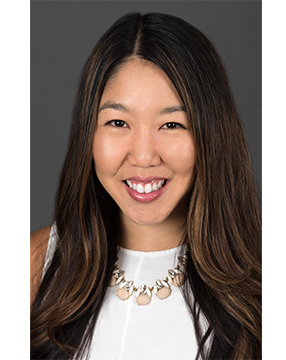
Christina Yu, MS-SLP ’16
Boston Children's Hospital
What has been most meaningful to you about supporting a student during their IHP education?
The most meaningful part for me has been watching students grow from learners into confident clinicians. Seeing their confidence build as they begin to trust their clinical instincts and develop their own professional identities is one of the reasons I continue to seek mentorship opportunities. I believe when we can build strong and trusting relationships, it creates a safe space for sharing personal and clinical experiences that fosters honest conversations about both the realities and the successes of our field. I also love staying connected with former students who I now get to call colleagues (!)—whether it’s catching up at ASHA, getting an email from them about their professional journey, or, my favorite, collaborating on shared patients!
How has participating as a mentor strengthened your connection to the IHP community?
Serving as a mentor has deepened my connection to the IHP in a very meaningful way. As an alum, term lecturer, and clinical supervisor in the Autism Language Program at Boston Children’s Hospital, mentoring allows me to stay connected to what students are navigating academically and clinically, while supporting the preparation of future SLPs. I also love seeing how the values, philosophies, and instruction I received at the IHP continue to be engrained in IHP students today.
“Mentorship matters because…”
Mentorship matters because it makes learning feel supportive, collaborative, and fun, while helping students grow into confident and thoughtful clinicians.

Kelsey Fusco Tauriello, MS-GC ’21
New England Cancer Specialists
What has surprised you most about yourself as a clinician or professional through this mentoring experience?
I’ve been surprised by how much mentorship has taught me. Watching students develop their skills and confidence often makes me pause and reflect on my own choices as a provider and reminds me that we can always learn from each other, regardless of how much experience one does or does not have.
What has been most meaningful to you about supporting a student during their IHP education?
Watching students find their voice and learn to translate what they’ve learned in the classroom to clinically meaningful outcomes for our patients is incredibly meaningful work. What I enjoy most is the opportunity to help students recognize their growth, even in the small, messy moments.
How has participating as a mentor strengthened your connection to the IHP community?
Through mentorship, I’ve strengthened my sense of responsibility to the genetic counseling profession and to the IHP. Not just as a provider, but as a part of the team that helps to shape how future genetic counselors approach uncertainty, equity, and patient care.
“Mentorship matters because…”
Mentorship matters because it helps carry forward the values at the heart of genetic counseling—empathy, clear communication, and respect for patient autonomy—in a way that’s practiced, lived, and intentional, rather than simply taught.