Working with Actors to Train Students and Hospital Healthcare Providers


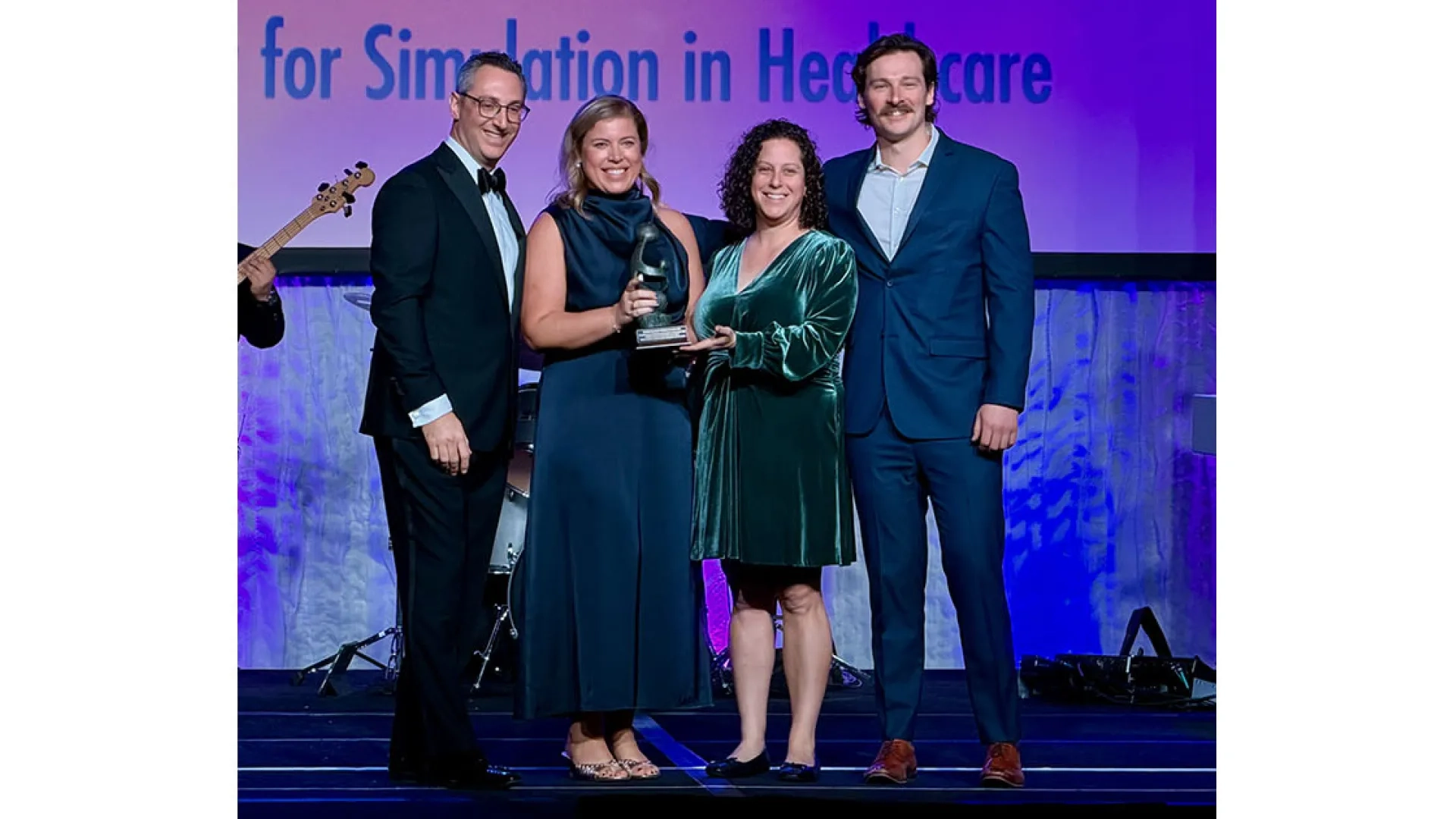
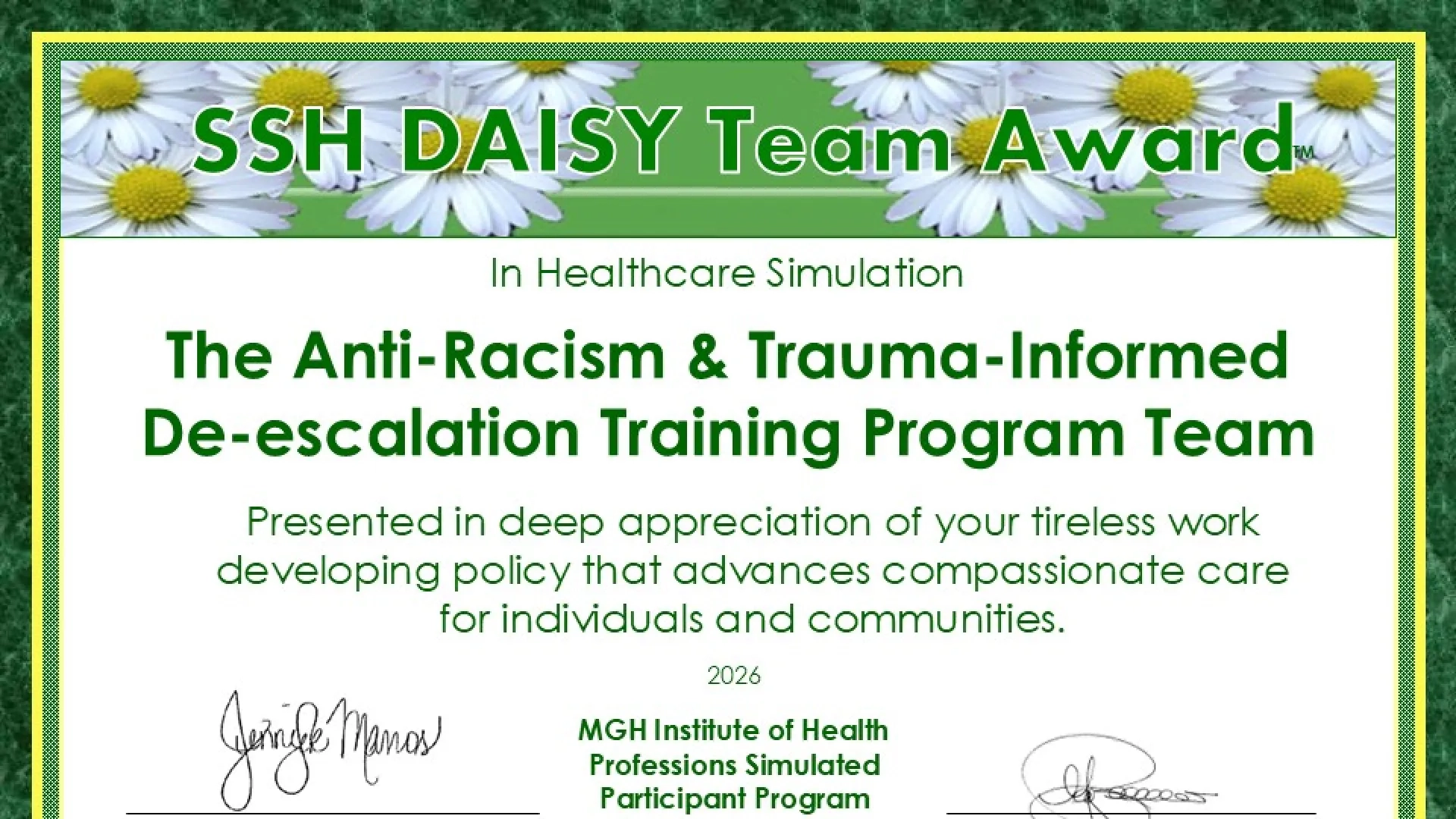
Simulated participants valuable part of education equation at MGH Institute and within Mass General Brigham; co-won Daisy Award with Brigham and Women’s Hospital medical team
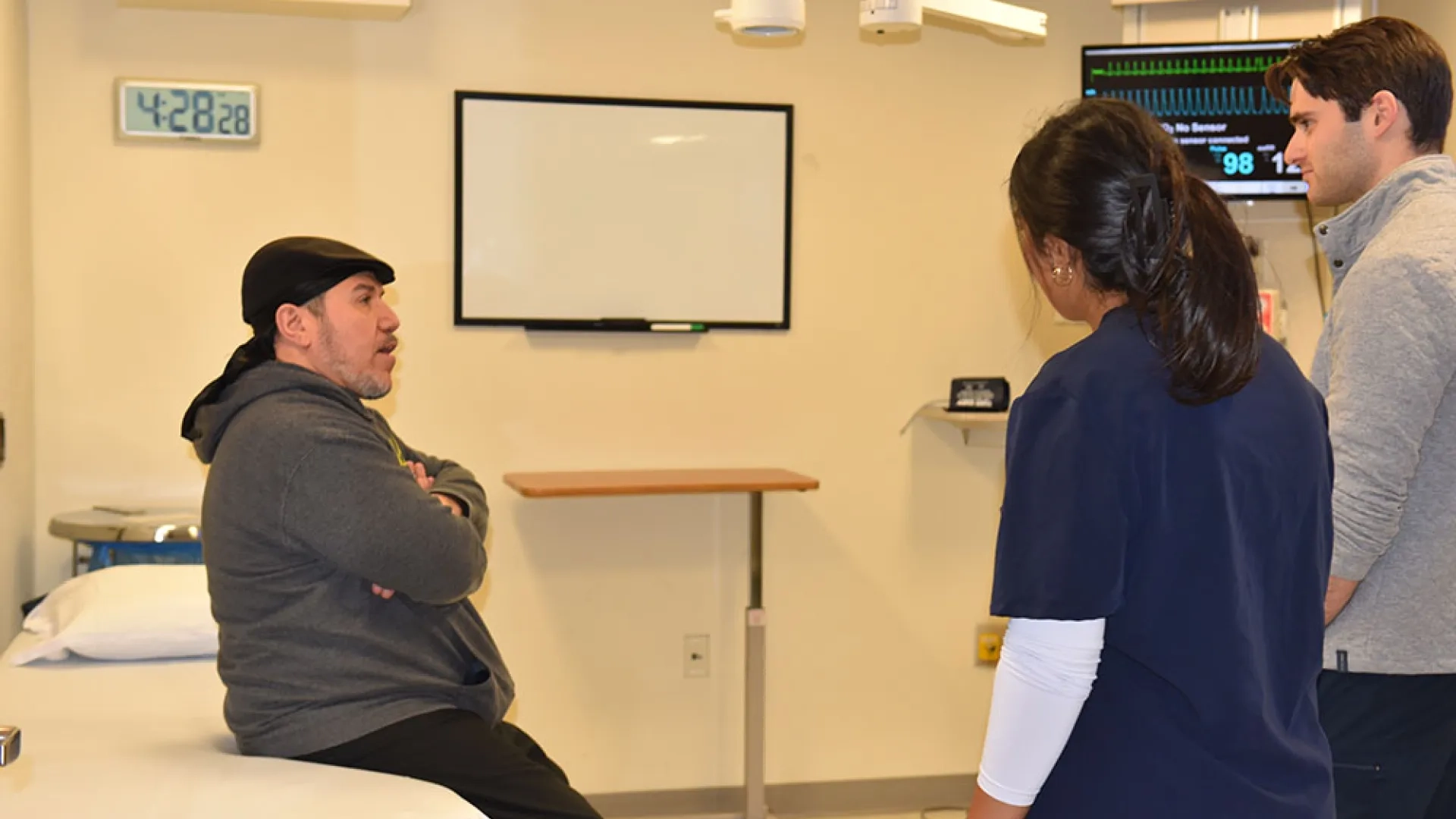
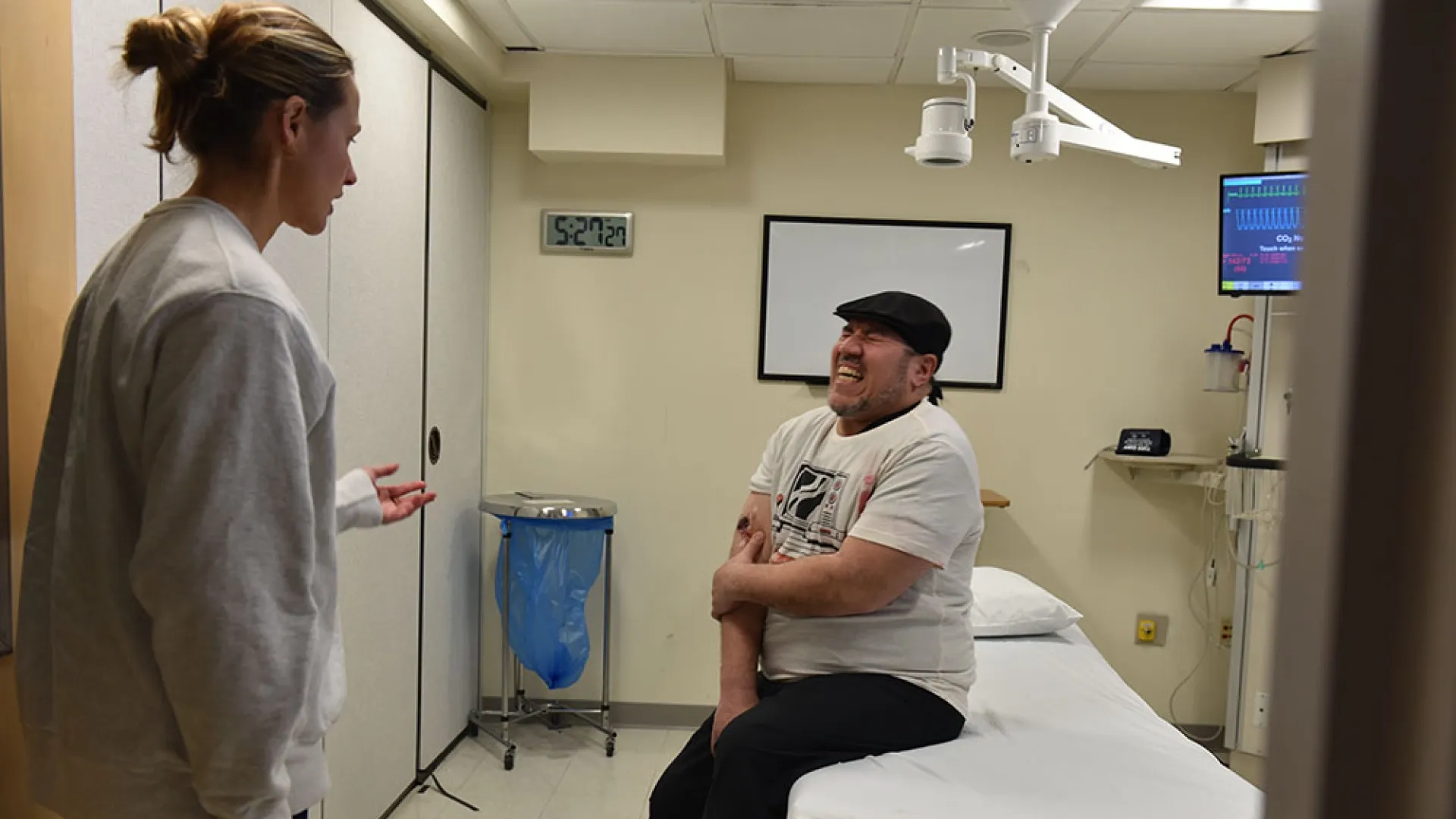
Inside the emergency department at Brigham and Women’s Hospital on a recent winter night, two nursing students enter a room to get the vital signs of a psychiatric patient who had just been brought in, a seemingly routine task repeated multiple times throughout the day.
But this was not an ordinary day, or ordinary vitals check.
The patient, a male, started screaming, cursing, and throwing items against the wall, startling the students.
“Get away from me!! Why am I here?” he railed.
The students backed away and the outburst continued, as the man began pounding the bed and then the wall, refusing to calm down.
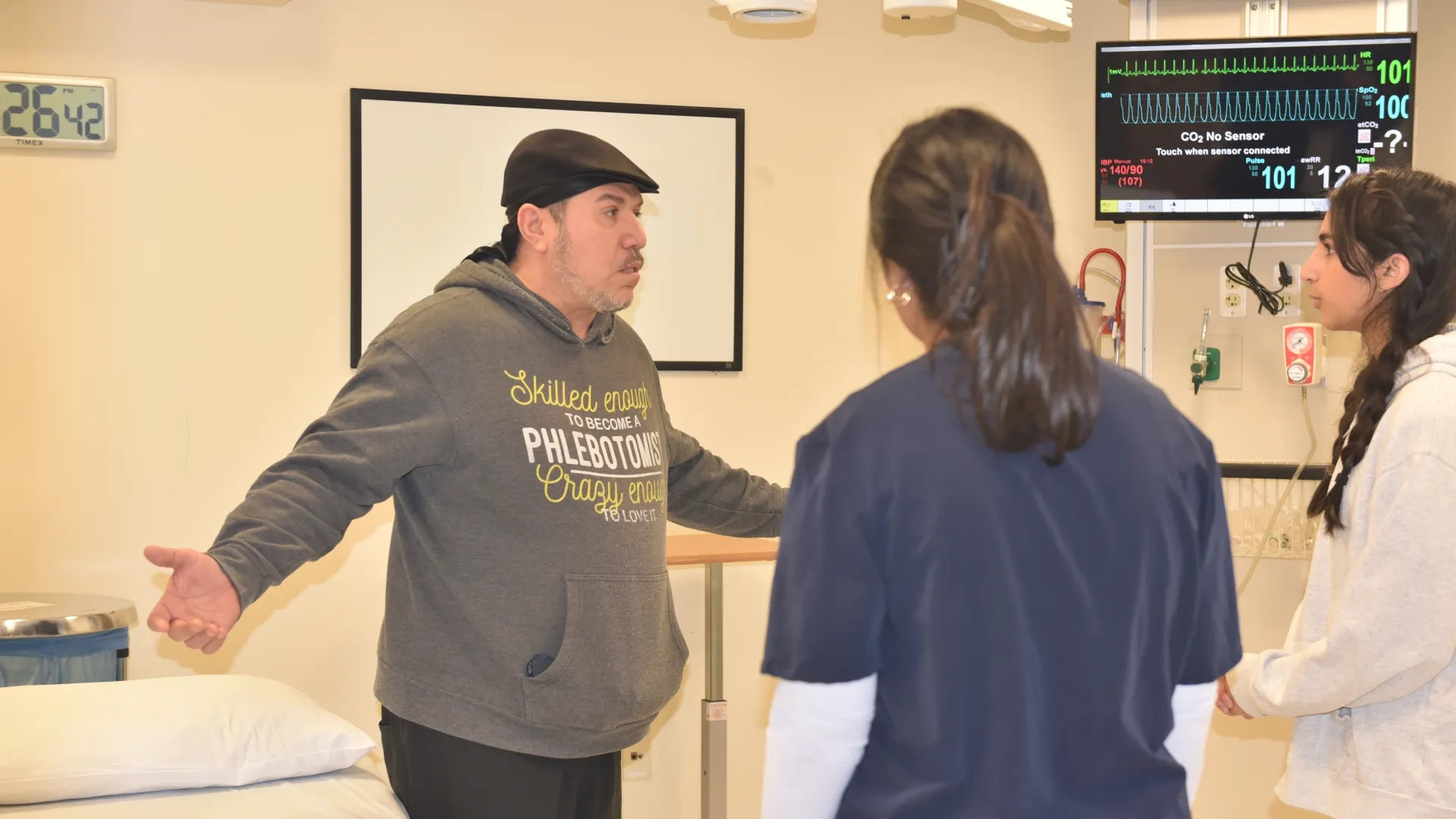
While realistic, this was a training exercise, something the medical team at Brigham and Women’s Hospital holds on a regular basis. And the patient? A simulated participant — or trained actor — from the MGH Institute of Health Professions.
Simulating Any Scenario Needed
Nearly every academic program at the MGH Institute — Nursing, Physical Therapy, Physician Assistant, Occupational Therapy, Communication Science Disorders and Genetic Counseling — partners with simulated participants (SPs) to help train the next generation of healthcare leaders by acting out any scenario they’re likely to encounter in the clinical setting.
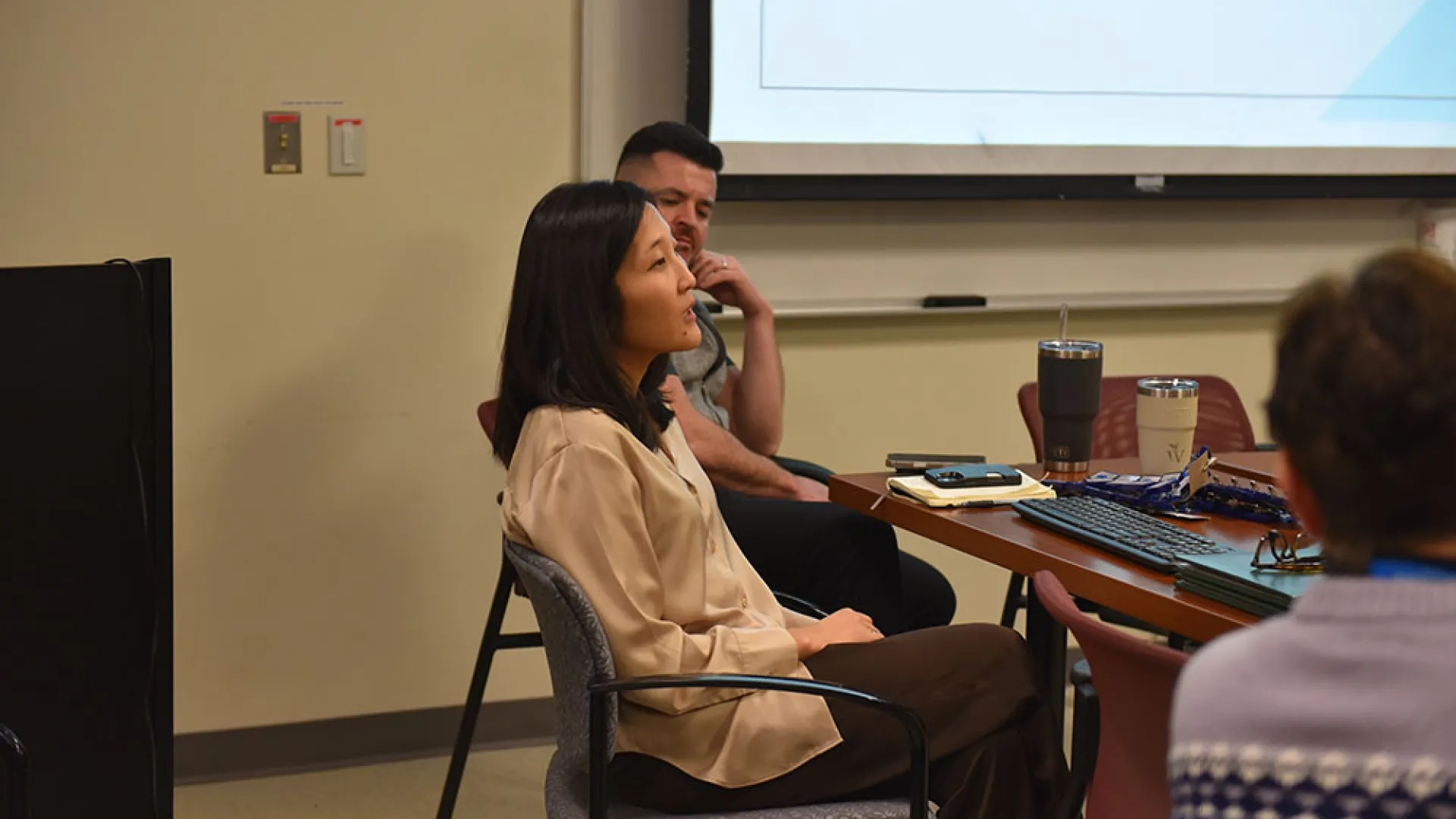
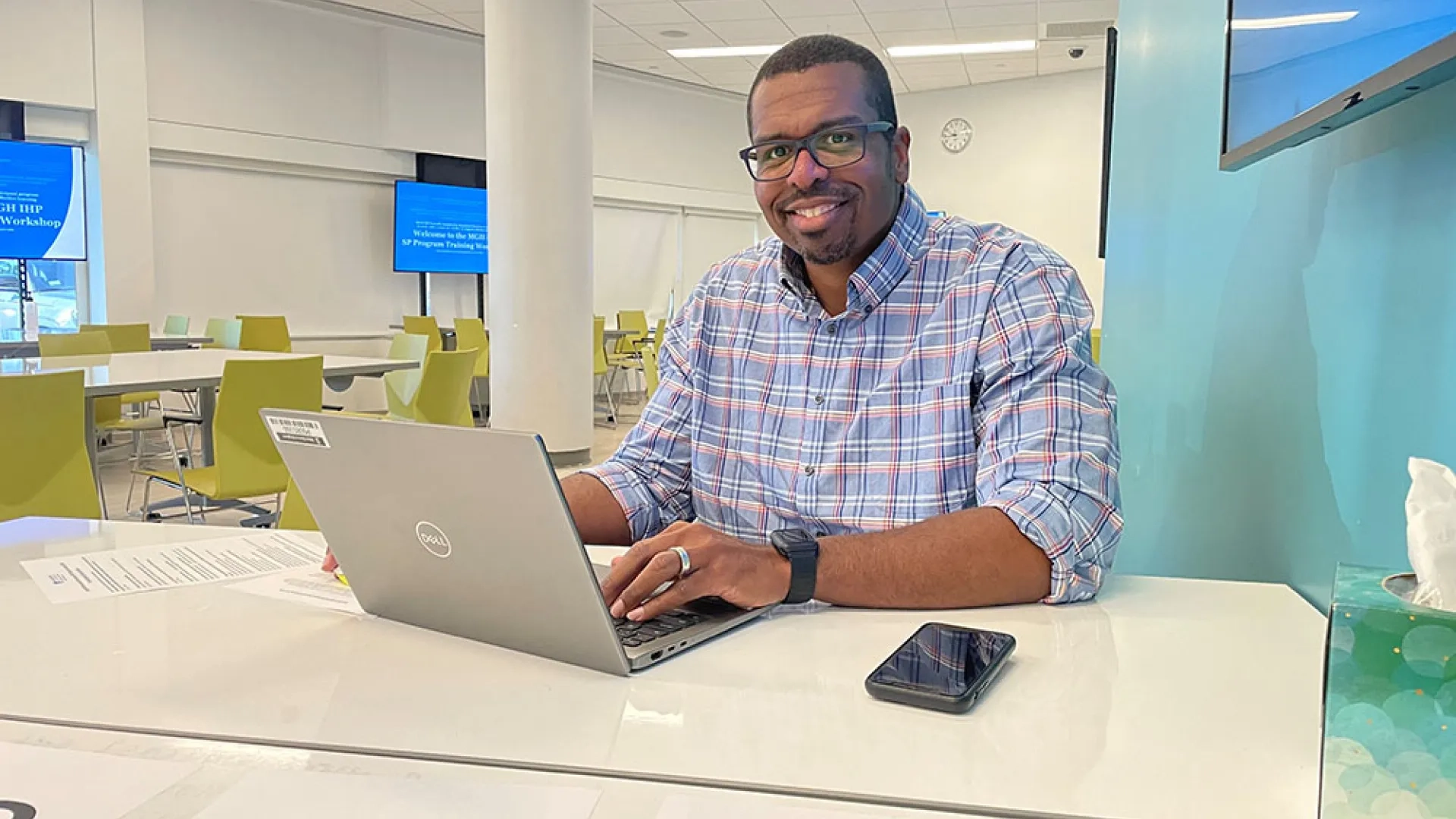
“Think about being able to communicate certain concepts and ideas such as, ‘How do you break bad news to a patient who has terminal illness or is going to have a child that may have a birth defect?” asks Tony Williams, simulated participant program manager. “How do you deal with conflict resolution, or de-escalating an agitated patient? All of these are complex skills that go into healthcare, and ones that a lot of our students will encounter.”
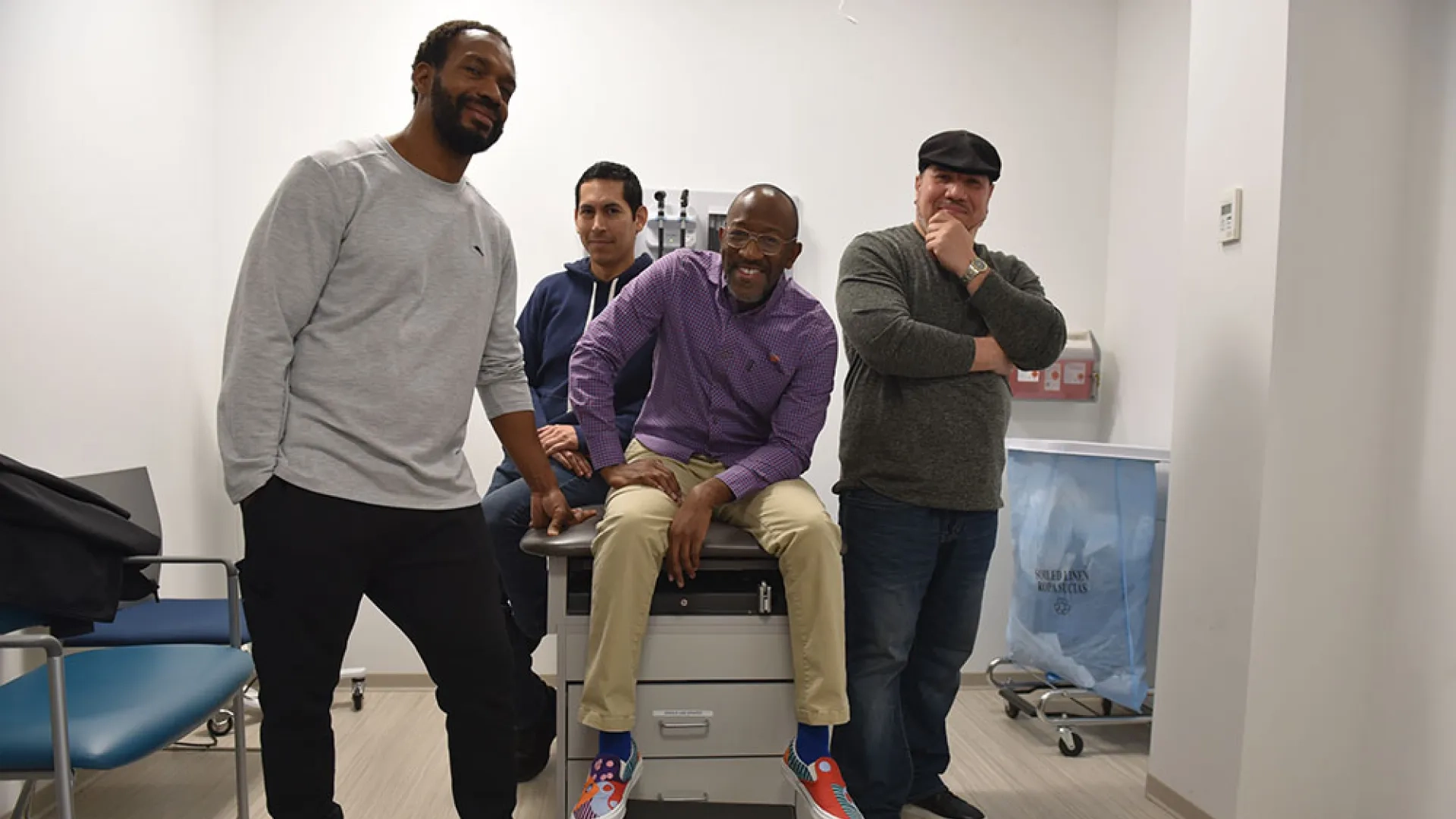
More than 100 SPs have worked with MGH Institute students since the initiative began in 2018. Portrayed by local actors, these “participants” simulate whatever clinical situation a student needs to learn from, ranging from telling a patient he/she has a life-threatening disease, to treating one with a sore shoulder.
“Students learning from a classroom setting and then trying to carry that over into the clinic setting can be daunting,” said Williams. “To provide a safe learning environment where students can develop interpersonal skills with trained human role players — individuals who understand the learning objectives — has been a tremendous benefit to their growth.”
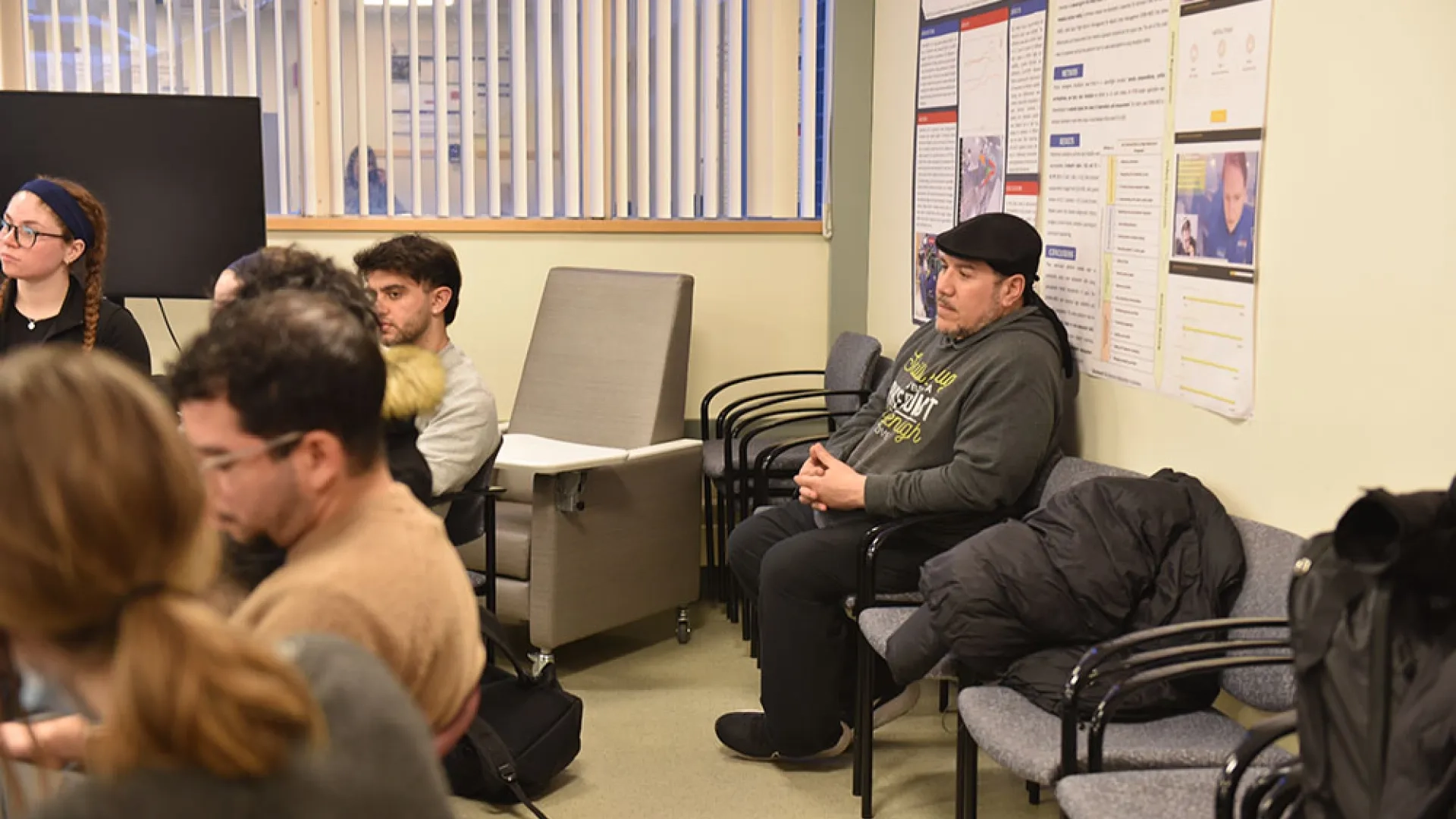
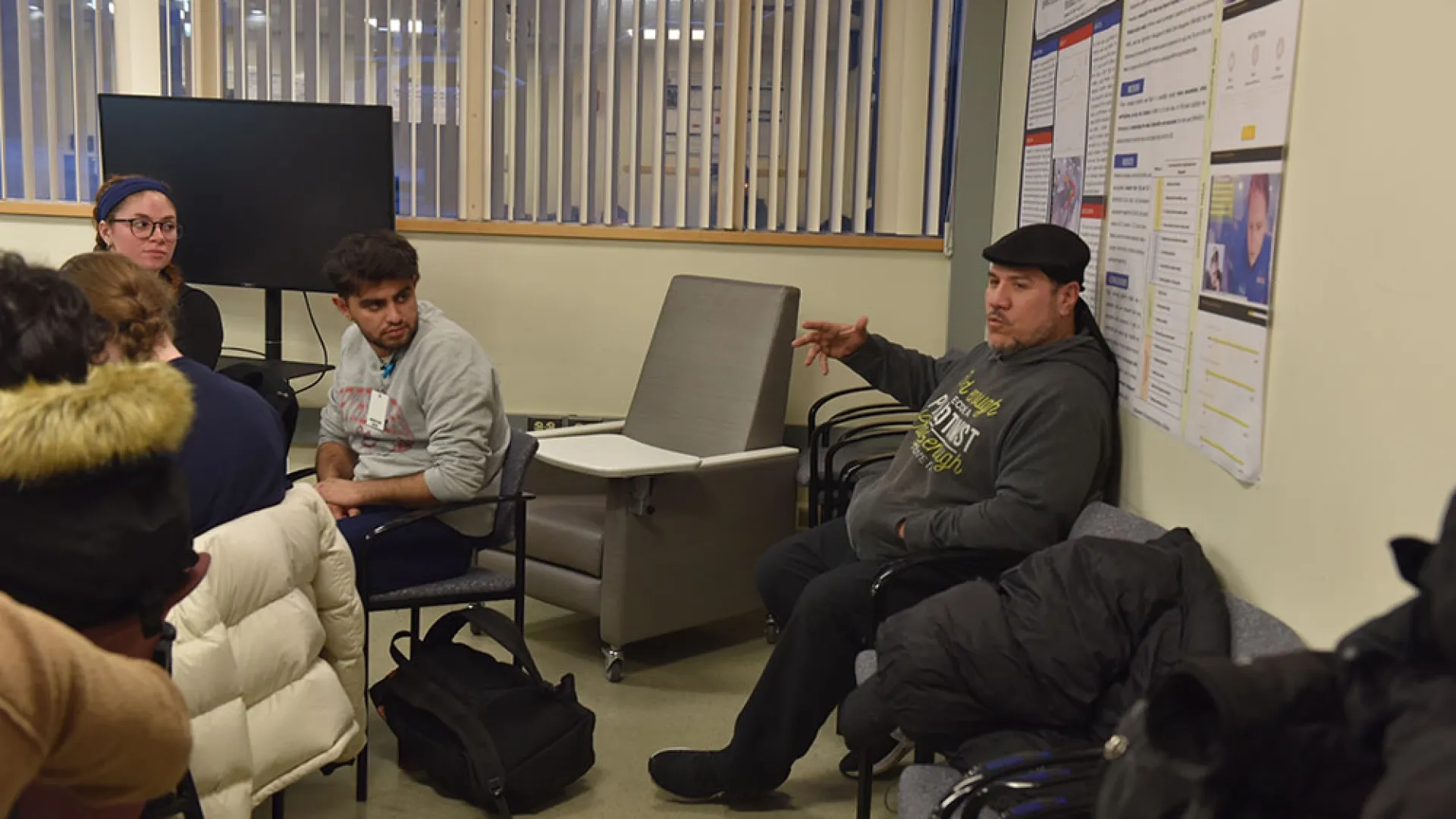
SPs like Ezra Stevens relish the opportunity to simultaneously act — and teach.
“I love role-playing and going into a room and seeing how the students do, how they react to me and what the script says I need to throw at them,” said Stevens. “Whatever the student does, it’s a learning opportunity, and there’s something to be said for that.”