

Summer Learning Loss: The Impact of Reading on Student Outcomes
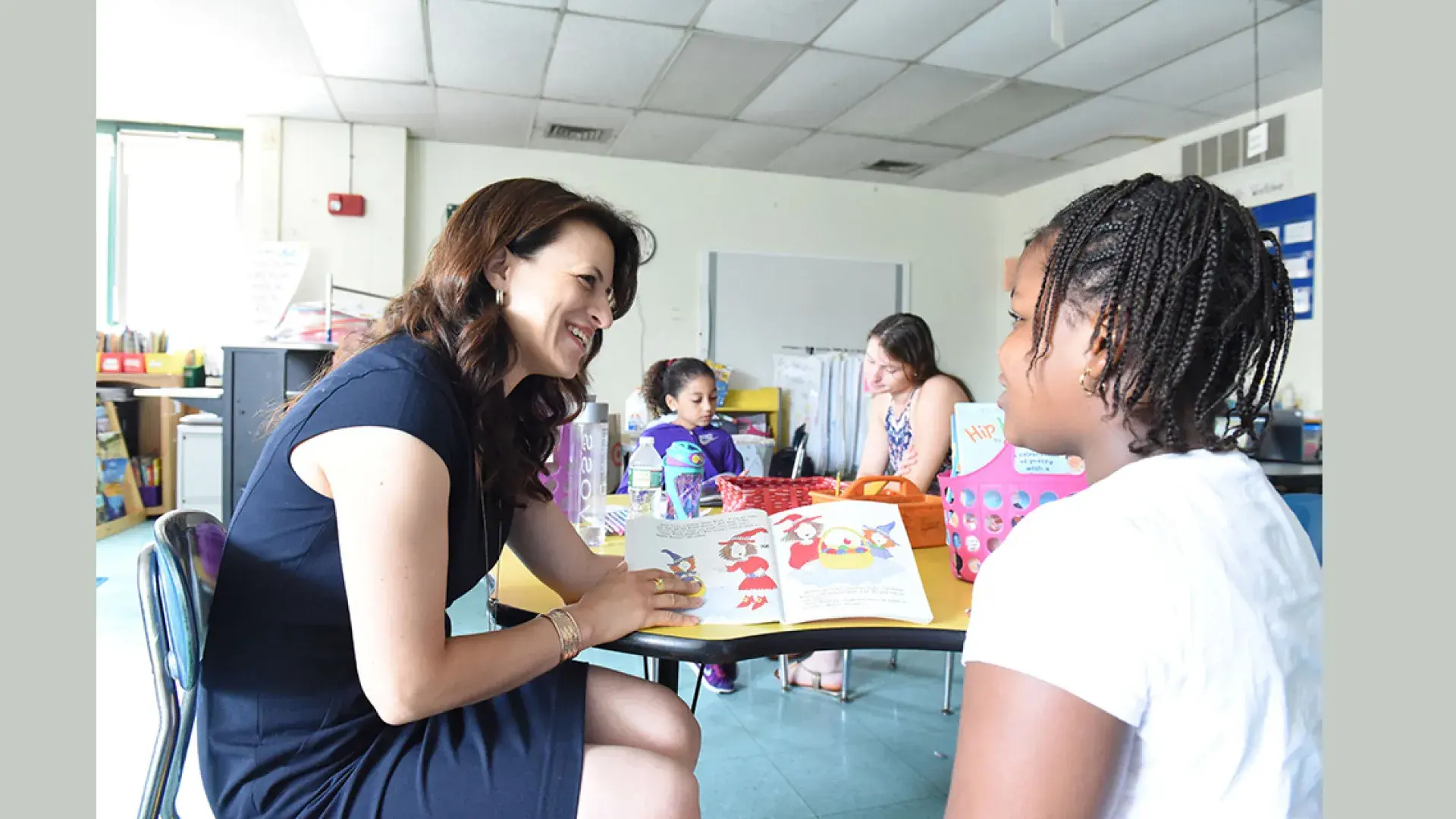


As students settle into their summer vacations around the country, parents are wondering how to keep their kids engaged and prevent “Summer Learning Loss” – a phenomenon marked by the decline of academic skills while children are out of school.
Summer learning loss, also known as the “summer slump” or the “summer slide,” has been known to impact learning patterns and widen achievement gaps. One study published in the American Educational Research Journal found that the average student loses 17-34% of the prior year’s learnings over the summer and that students who experience this loss one year are those most likely to experience it again in subsequent summers.
Reading, in particular, is a staple of early education and a direct predictor of student outcomes. Admittedly, reading for pleasure may not be the most favorable activity for children on summer break, especially for students with reading disabilities like dyslexia. And yet, the cost of not picking up a book could be steep.
Dr. Joanna Christodoulou, Director of the Brain, Education, and Mind (BEAM) Lab at the MGH Institute of Health Professions, says the summer is an opportunity, for vulnerable readers especially, to foster their skills, maintain the previous year’s learnings, and build a stronger foundation of reading skills to start the new school year off prepared.
“Summer vacation is a near universal experience, but how students spend their time regarding literacy skills can vary widely,” said Christodoulou. “Some children fall further behind their peers in the summer months. It’s important for children to continue literacy activities during the summer, which can maintain or grow reading brain systems. Making reading part of daily activities – even for 20-30 minutes – is part of a strong approach towards reading progress.”
She offers five tips for parents to help their children thrive:
• Foster interests: Offer opportunities to use reading as a vehicle to learn more about topics of interest or those that spark excitement.
• Build in choice: Children can be offered choices for which book to read, what topic to read about, what type of reading material to use, etc., to foster agency and ownership of reading experiences.
• Choose the right material: Select material that is matched to a child's reading level, and slightly higher materials as well, to strengthen word reading and comprehension skills.
• Find Balance: Rotate reading activities with listening to audio books and/or reading to or with a child. Building background knowledge - through reading, listening, and having experiences - is an important part of being a comprehending reader.
• Address Concerns: Parents who are concerned about their child's reading progress should document their observations, collect school-based test results, and reach out to the local branch of the International Dyslexia Association (IDA) for support on next steps and information. The summer is a valuable time to prepare for conversations with school leaders and to better understand reading difficulties a child may be experiencing.
Christodoulou has received NIH funding to research reading development during the summer, especially on the topic of ‘summer slump’ – what is it, who it impacts, and how it can be countered.
“There’s limited research that tells us who may be impacted most by potential reading skill regression,” she said. “If a child has a reading disability or lives in a disadvantaged neighborhood, will that child be adversely impacted more than a student without a learning disability or one who lives in a middle class or highly resourced community? Who exactly does the summer slump affect, and why? What activities or characteristics may ‘buffer’ against summer slump? That’s what we’re hoping to build knowledge on so that we can counter negative effects and amplify opportunities for reading growth and success for all readers.”