Student Service Trip to Guatemala Called Life-Changing for Some, Career-Affirming for Others
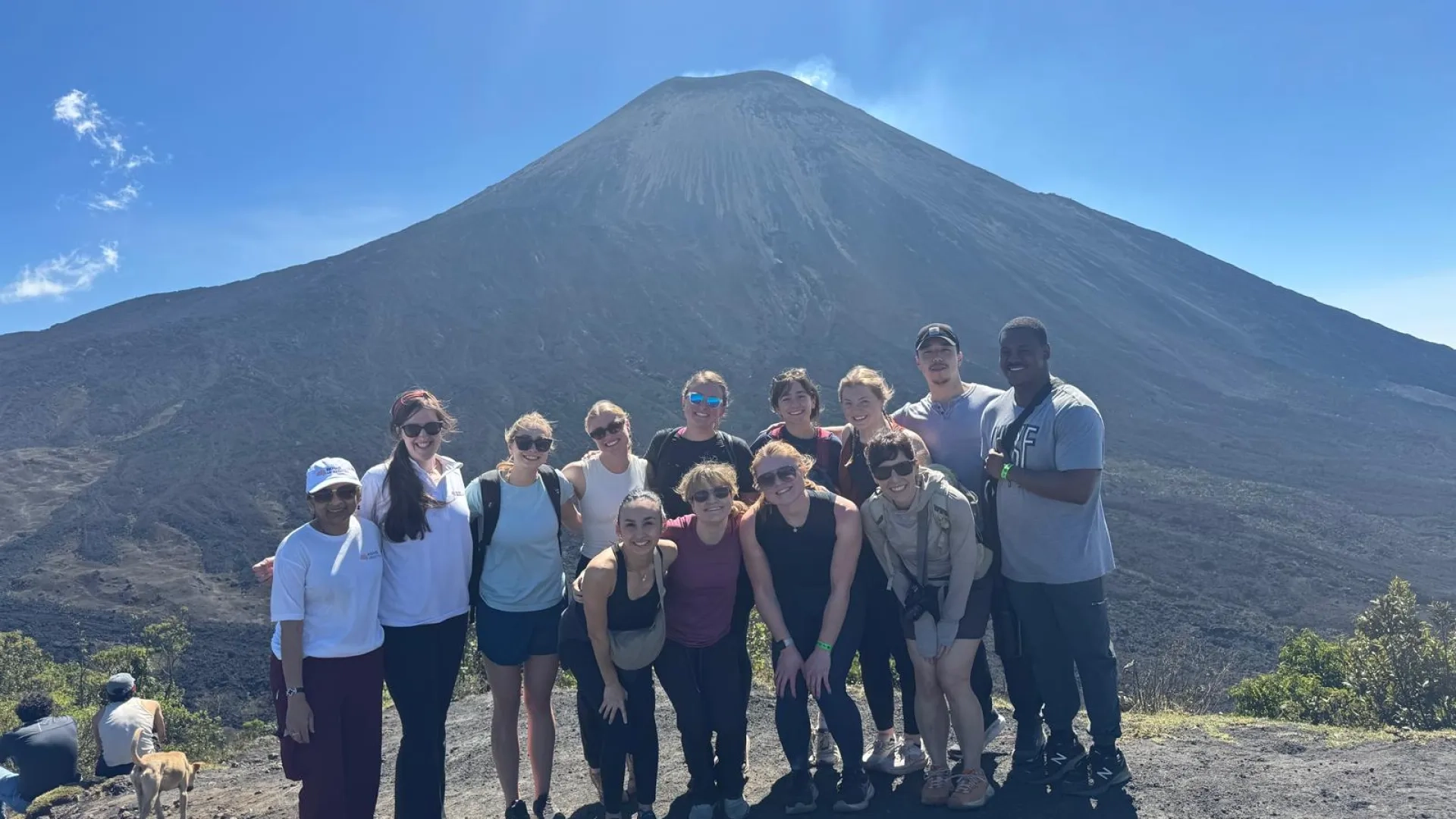


Second-year physical therapy students helped treat approximately 165 patients in two regions
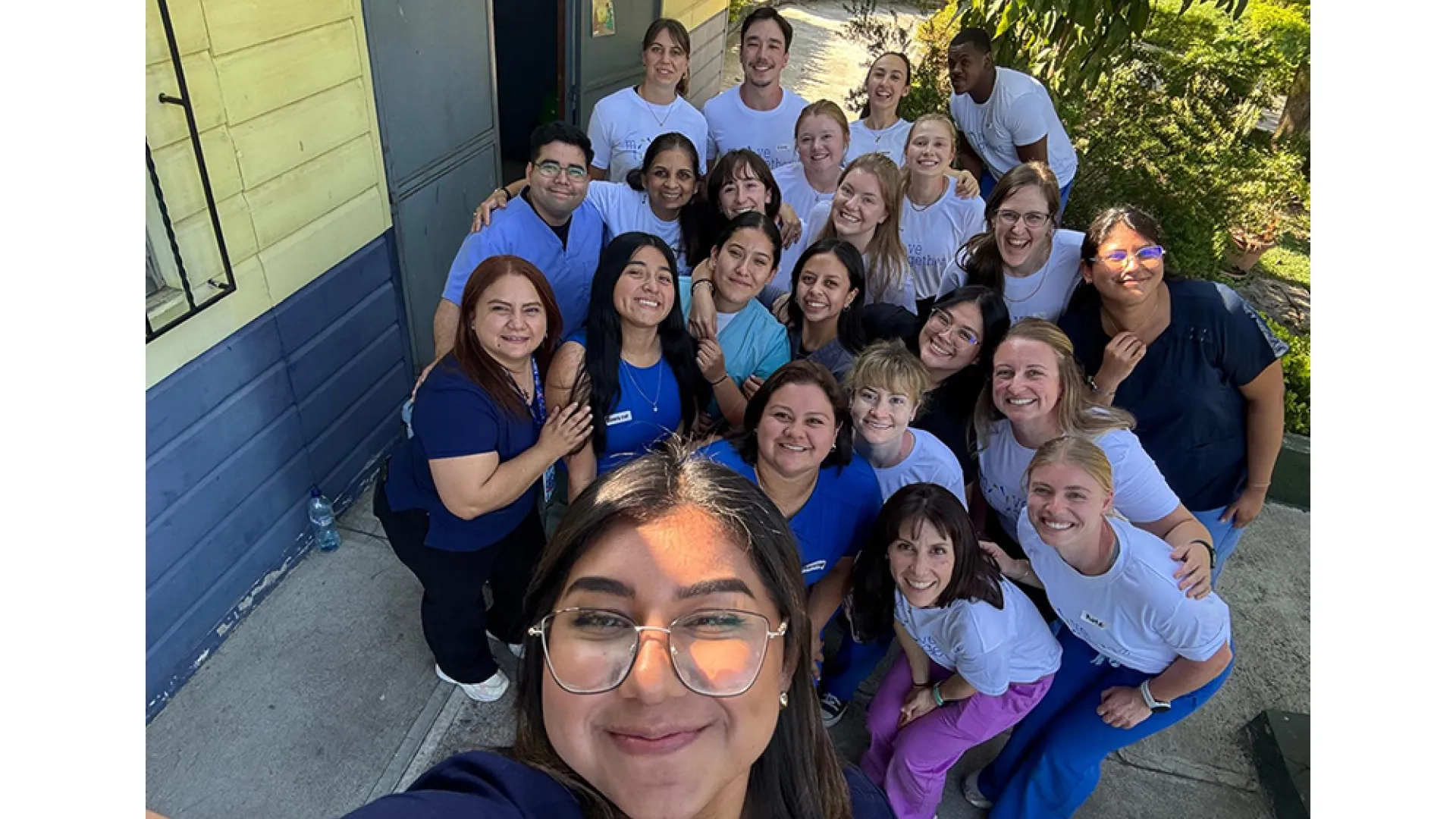
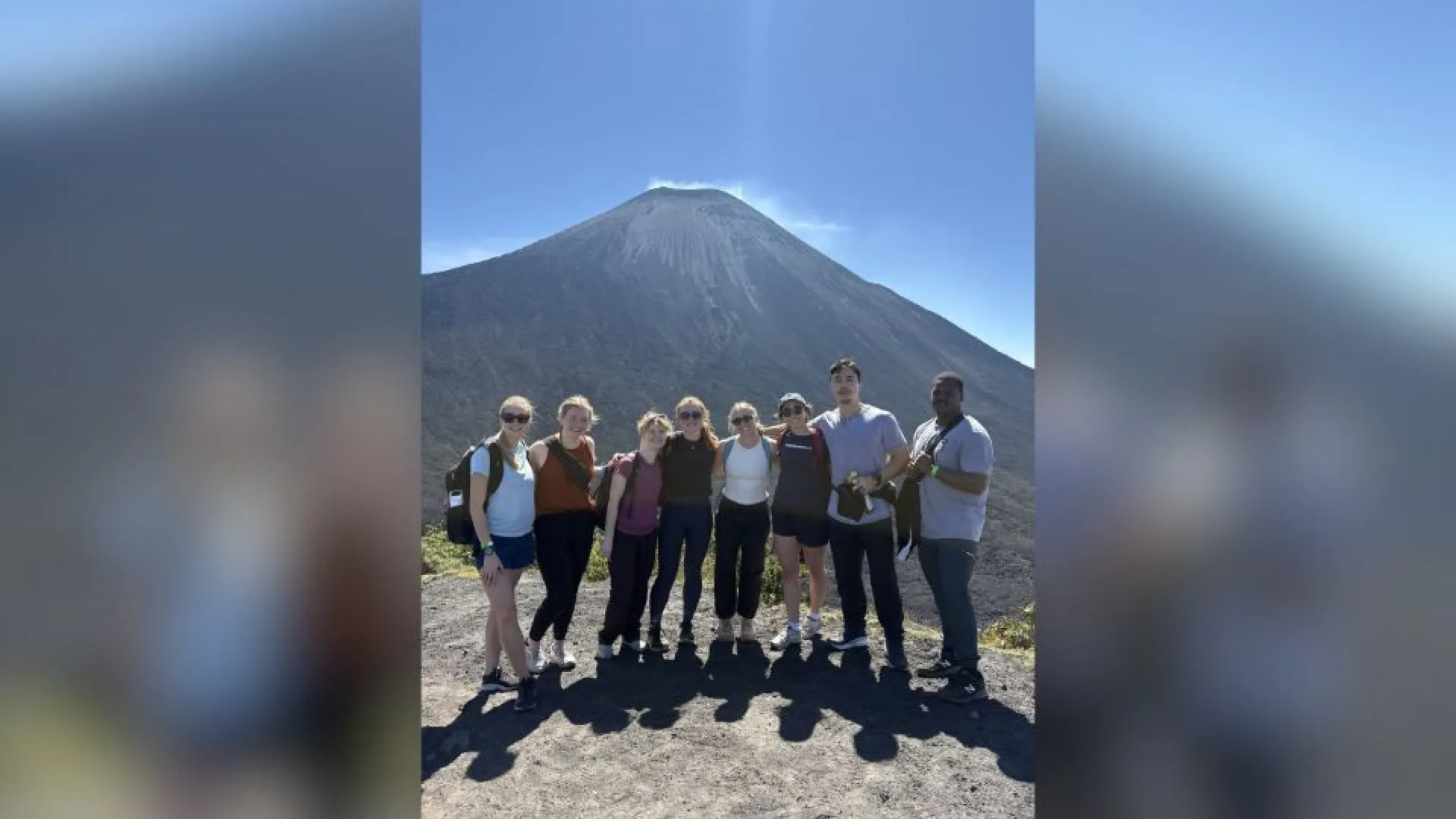
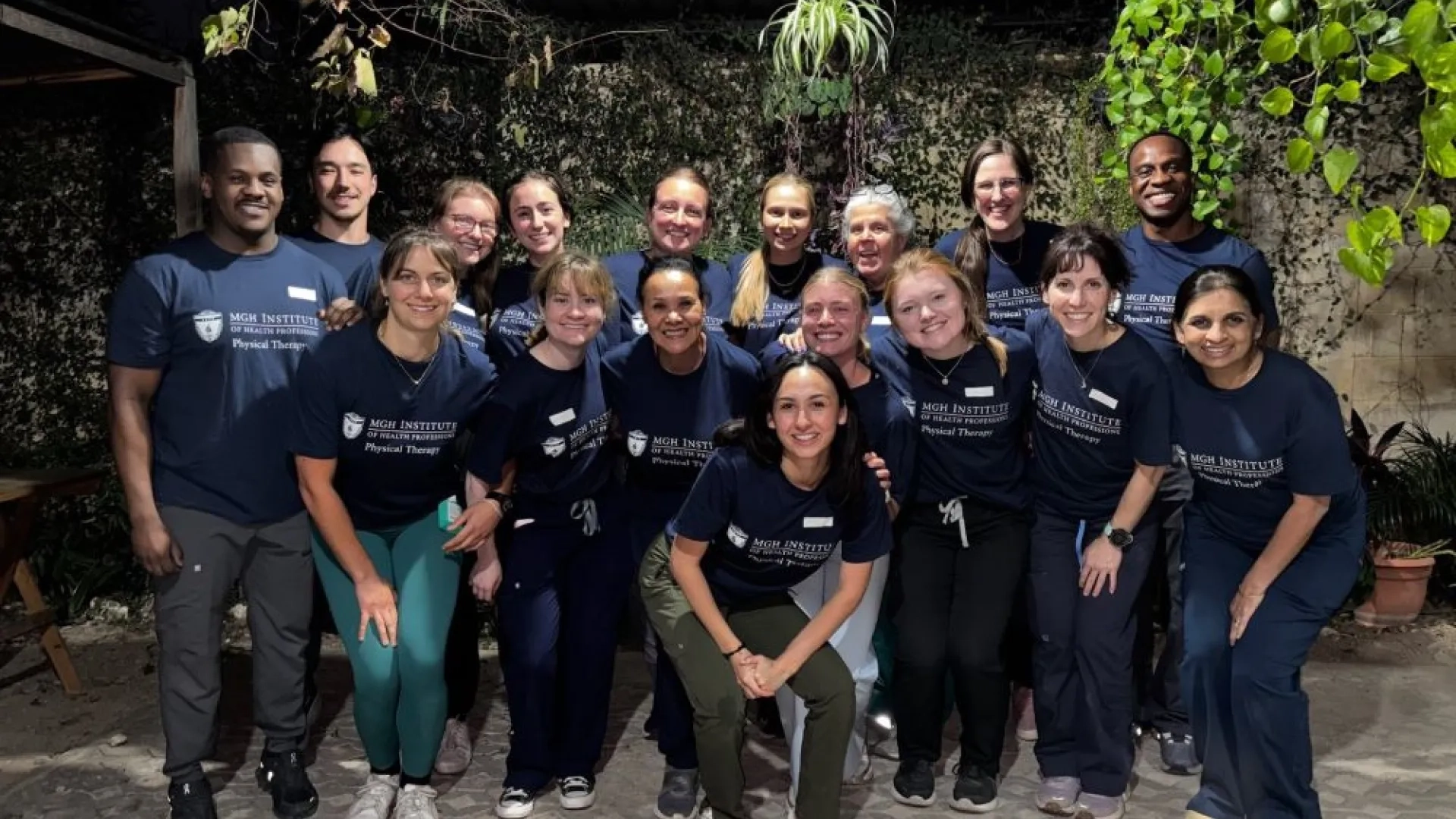
Travelling to a new country always provides one with a new experience; there’s the culture, language, food, people, and sights to immerse oneself in. When you can combine that with helping and teaching, that’s a bonus. And that was the focal point for second-year physical therapy students who travelled to Guatemala earlier this month (January 2 – 11) on the MGH Institute’s Physical Therapy Program’s annual student service trip to Central America.
“The idea that I could travel to a country I have never been to,” said student Jirou Duffy, “and give a piece of myself to the people there without asking for much back, definitely appealed to me as a way of spreading the culture of movement and rehabilitation and putting smiles on people's faces.”
For student Kenna Reichner, who has lived abroad in three countries, this opportunity was familiar.
“As soon as I saw this trip posted, it just reminded me of why I applied to the MGH Institute PT program in the first place,” said Reichner. “It combined my love of traveling in Latin America with serving under-served populations that I saw when I lived in Brazil, Peru, and Bolivia.”
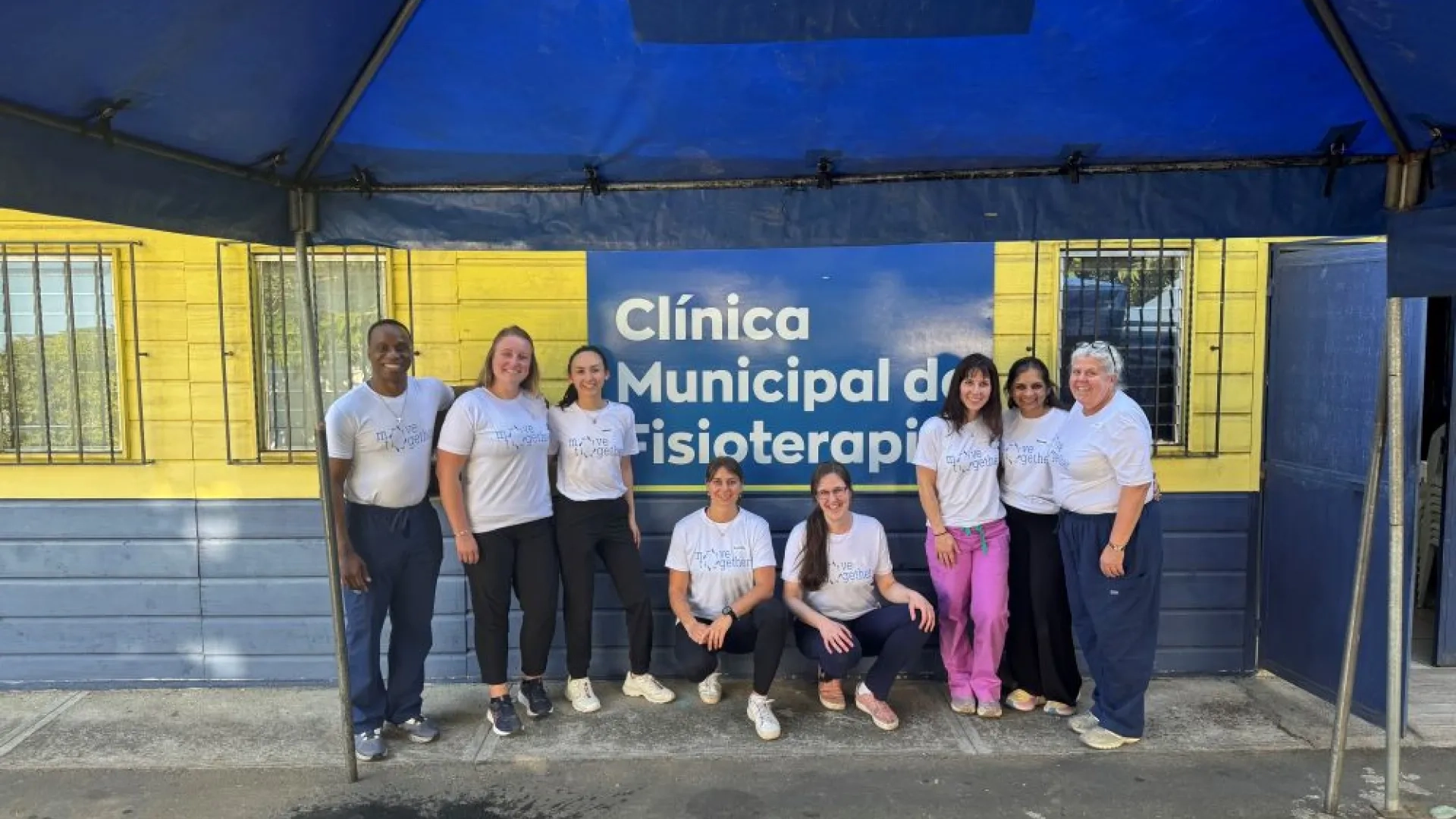
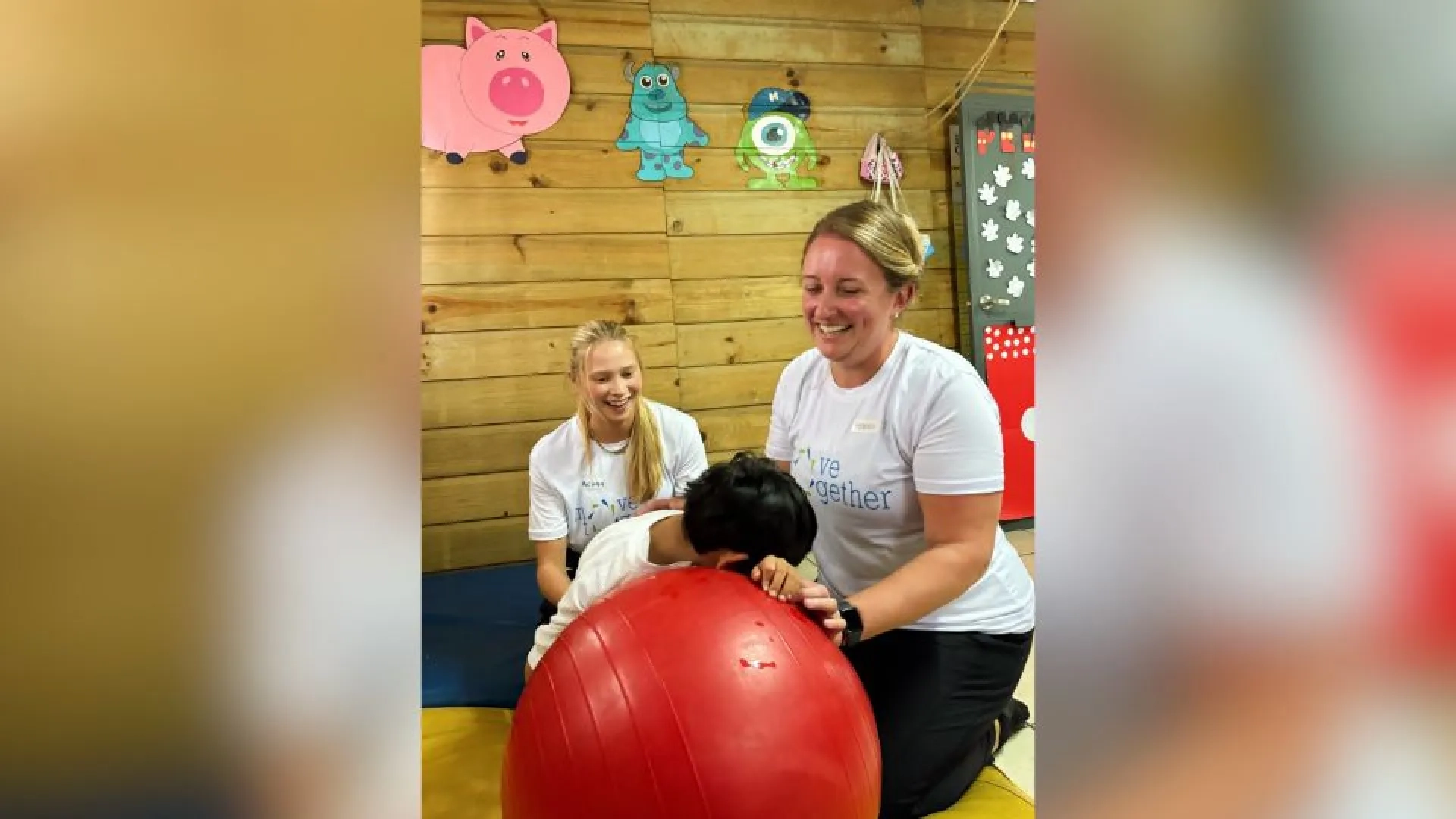
Led by Assistant Professor Jane Baldwin, overseeing her seventh trip to Guatemala, the eight students, guided by clinical instructors, travelled to two sites: Villa Nueva and Canillá, each vastly different in their locations and resources, yet each the same in that patients were seeking to improve their function through movement health.
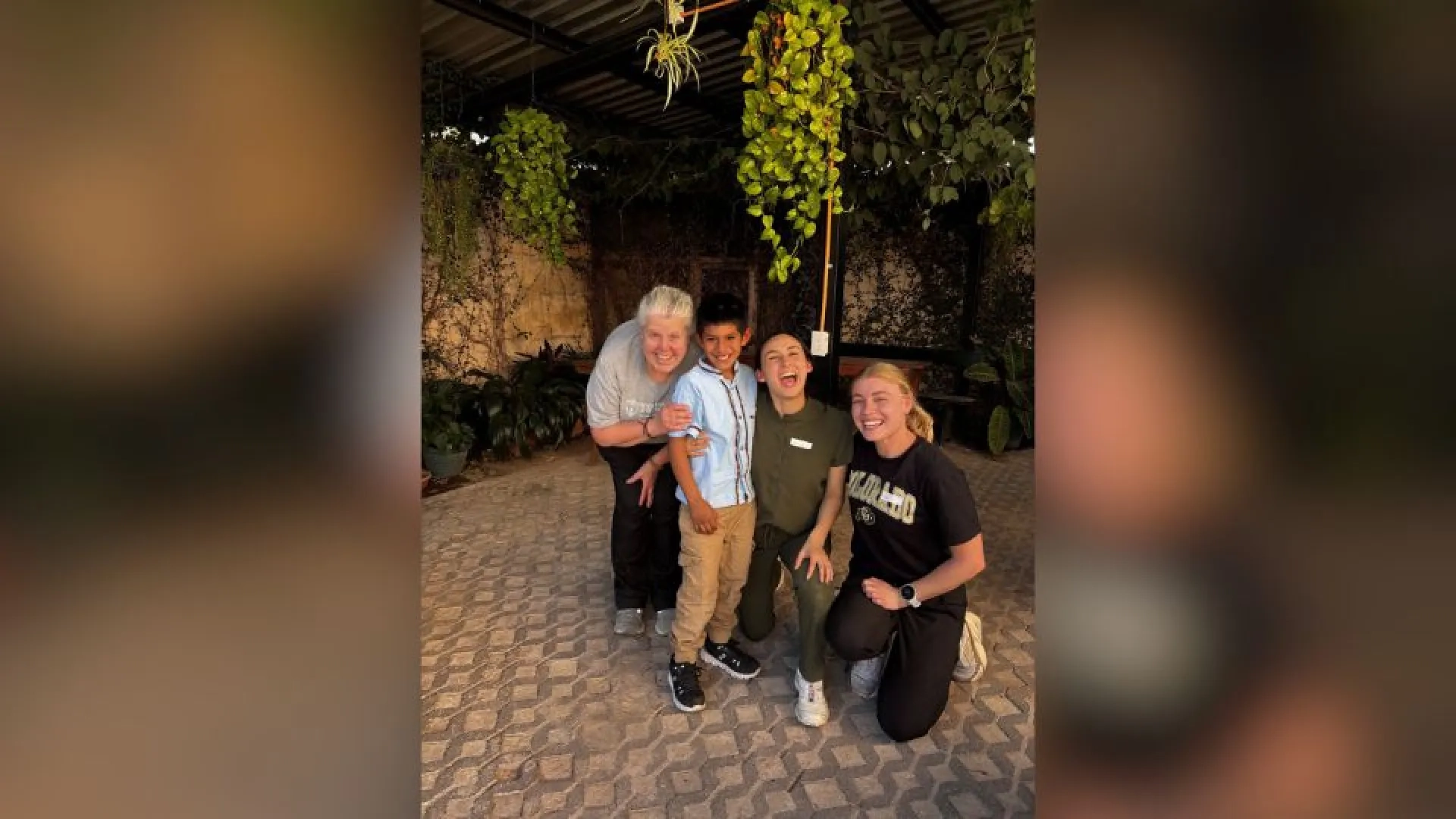
“At the end of every session, just seeing how appreciative those patients were,” noted student Abby Schmitt. “Whether it be giving us a hug or saying how much they appreciated this session we just had, or even some of the kids wanting to take a picture and putting their arm around us just spoke volumes.”
Dr. Baldwin and the team of MGH Institute students collaborated with Move Together, an organization that initiates clinics in globally underserved areas to address movement, health, and physical therapy in a sustainable way.
“In Canillá and Villa Nueva , these clinics are really the only game in town,” recounted Dr. Baldwin. “There aren’t any other physical therapy services, so everyone comes to those two clinics in each area, and you need to be prepared for anything.”
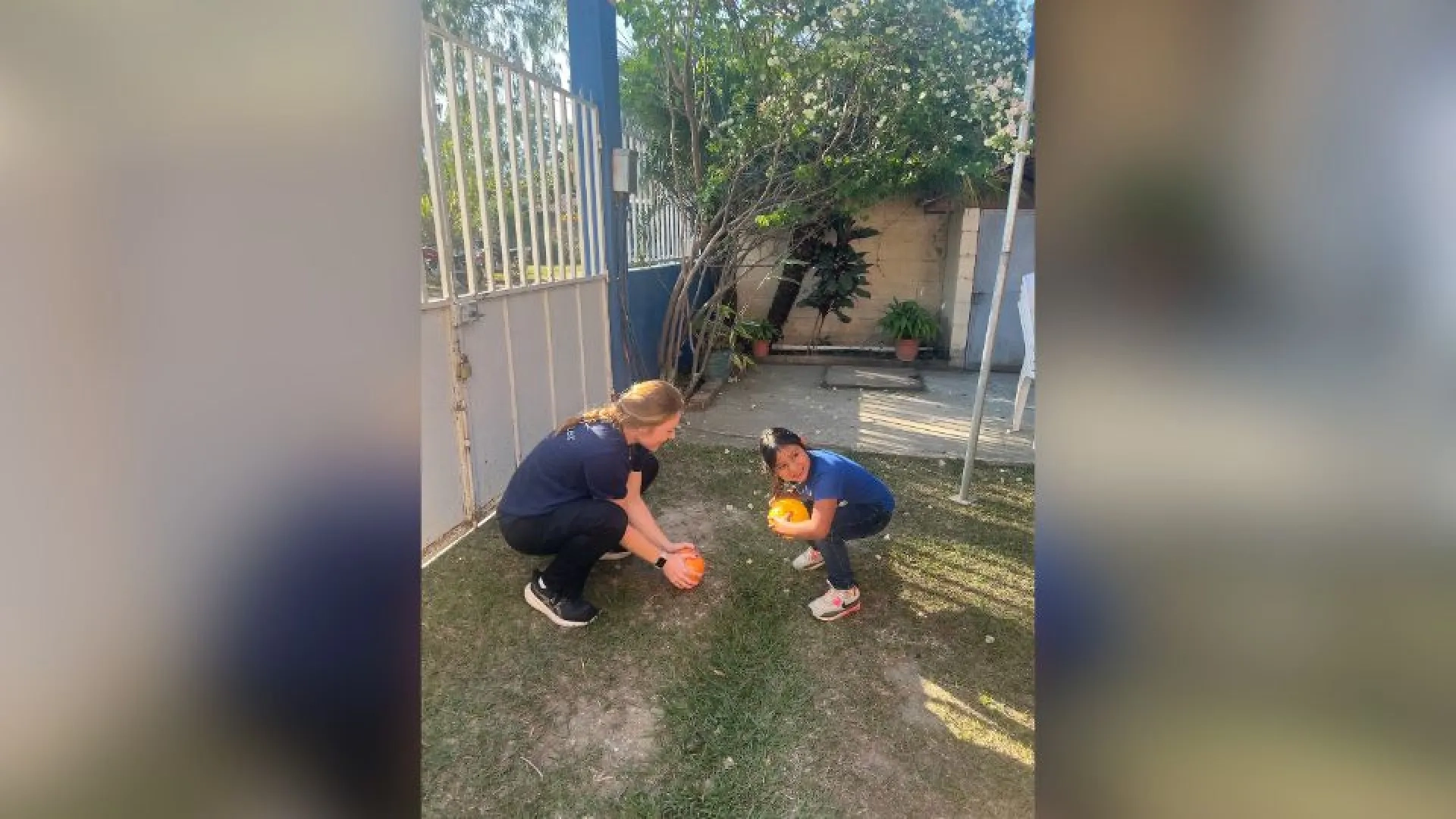
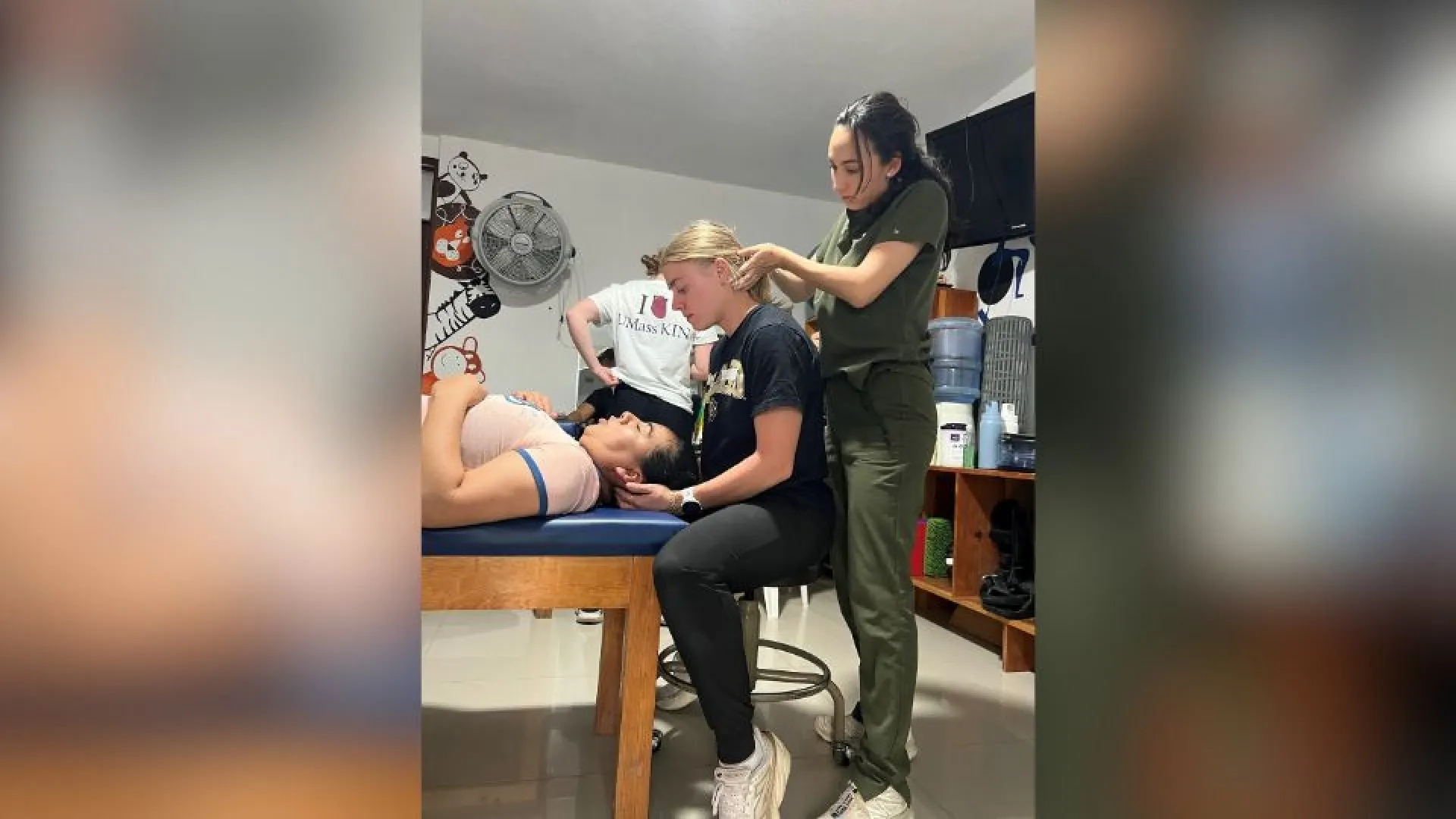
During that week, most any condition did walk through the door as students saw the full spectrum of challenges: children with developmental disabilities; survivors of stroke, motor vehicle, and motorcycle accidents; patients with Parkinson's, Multiple Sclerosis, and Bell’s Palsy; and those coping with low back pain, fractures, spinal cord injury, and limb loss.
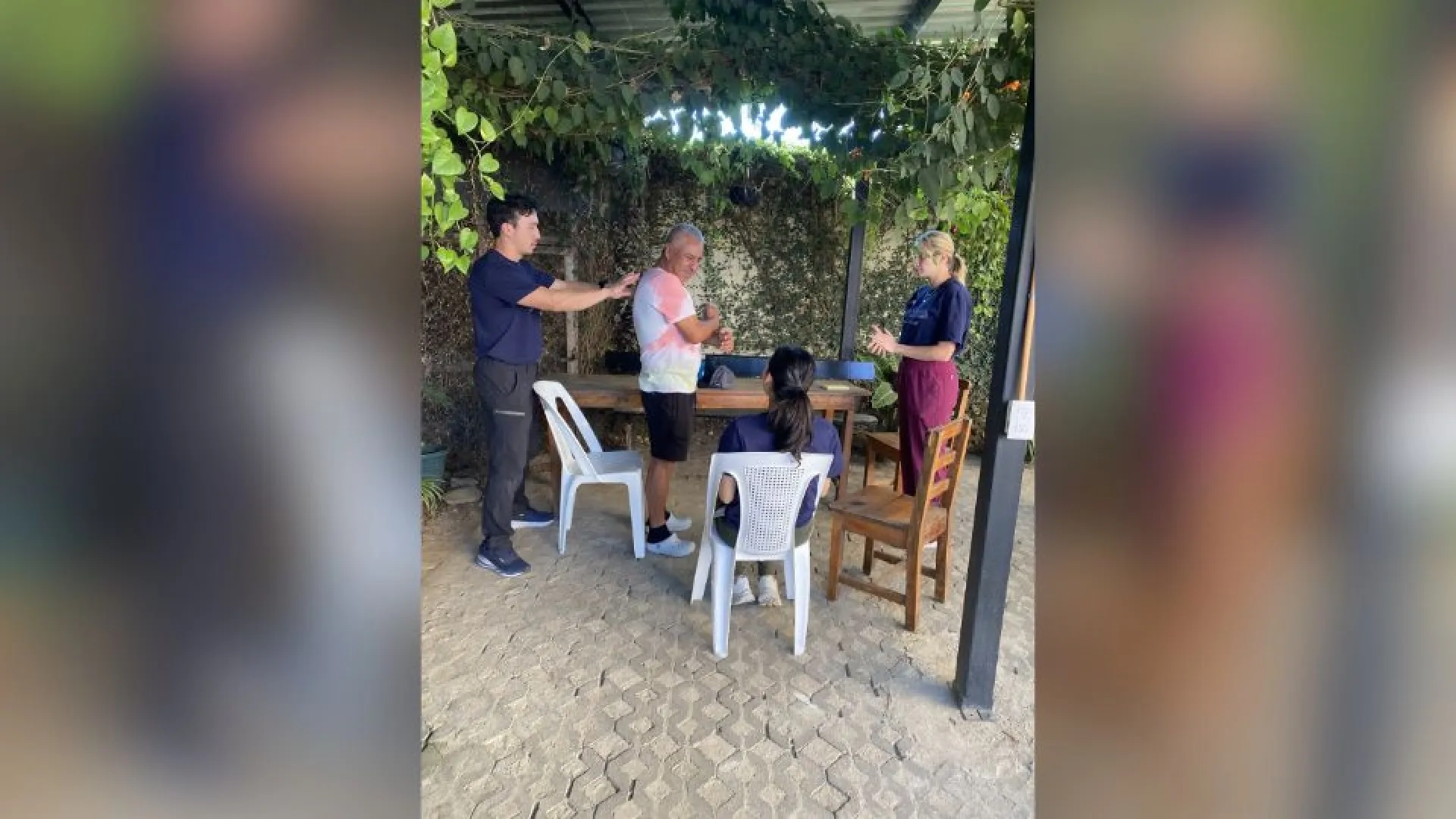
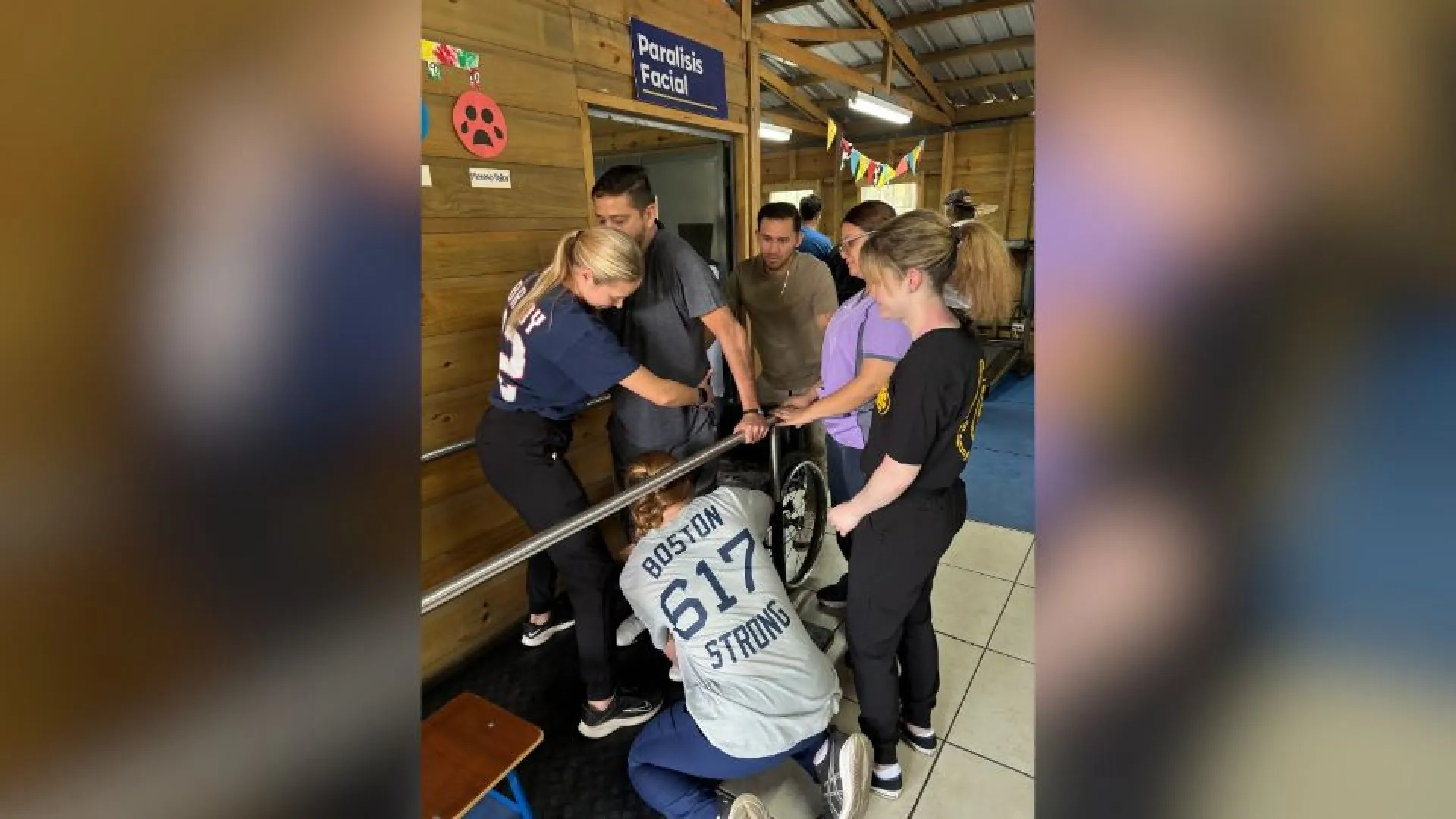
In Villa Nueva, the first stop, the group worked in a city clinic where they collaborated with Guatemalan physical therapists and physical therapist students.
“We were pretty much working alongside them, learning from them, and them learning from us,” said student Kate Rowland. “It was really interesting to see if their approaches differed at all, and what exercises they were coming up with that we hadn't thought of before, and vice versa.”
“We compared and contrasted our ideas with theirs and filled in the gaps to better drive their plan of care with the patients we were seeing,” added Schmitt.
Given the differences in education, some students expected a world of differences in approach, but that’s not how it worked out. In fact, Guatemalan students taught their visitors a few things too.
“There's a lot of things that we can learn from Guatemalan students, and there's a lot of things they can learn from us,” said Reichner, who referenced scapular mobilizations suggested for treatment by the Guatemalan students. “I said, ‘I don't know how to do that,’ and so, it taught me not to assume there are going to be these drastic, differences just because you're going to a different country. It was cool to have a collaborative environment like that, to be able to learn skills that I haven’t been taught yet, but they had been taught, and vice versa.”