

PT Professor Emerita, Alums on the Profession’s Post-Coronavirus World
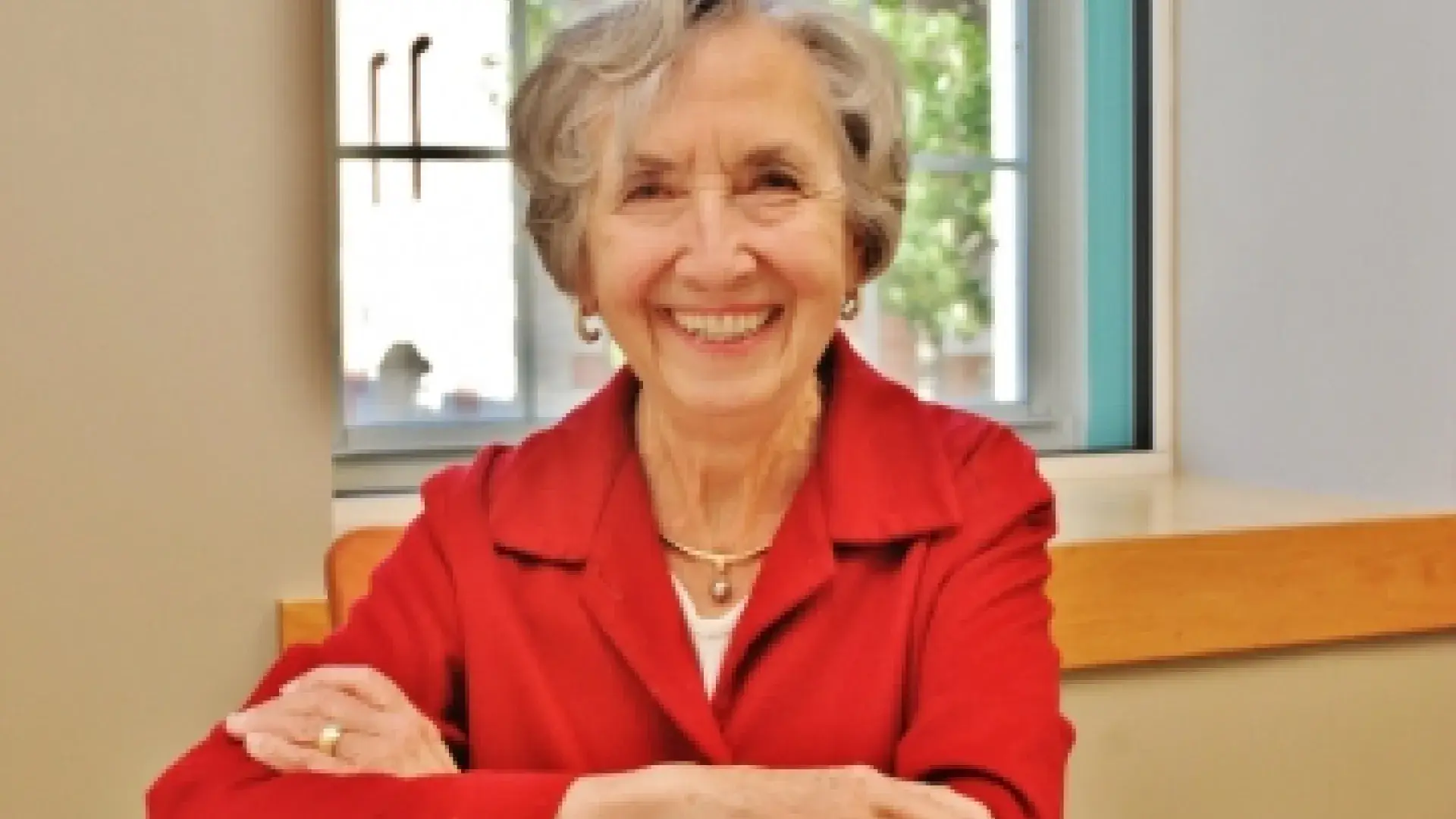


Professor Emerita Ruth Purtilo, along with alums Carol Lewis, DPT’07, and Nancy Kirsh, DPT ’05, were among several Catherine Worthingham Fellows of the American Physical Therapy Association who provided their thoughts on the future of physical therapy in a post-COVID-19 world.
According to the introduction on a recent PTTransforms blog post, "Post-Pandemic: APTA Fellows Weigh In on How COVID-19 Could Change — and Challenge — the Profession into the Future," Worthingham Fellows are “recipients of the association’s highest honor for professional leadership and achievement. Fellows are recognized for their ability to see both the big picture and its components. They connect the dots between the profession's history, its current challenges, and possible ways forward. In other words, they're the people you want to hear from when the question is ‘Where do we go from here?’”
Ruth Purtilo, BS, MTS, PhD, FAPTA, professor emerita at MGH Institute of Health Professions and at Creighton University, and a past Mary McMillan lecturer
Moral courage — the resolve to move forward with purpose in the face of realistic fear or threat — has never been a more valuable resource for PTs than it is currently. Our professional commitment requires us to stay fit for purpose during a raging worldwide pandemic. And to remain so after the curve flattens and initial attention subsides.
The moral compass for sustaining during the long haul includes setting priorities consistent with our professional colleagues' core values of compassion, competence, and due care — and the courage to express those values. But physical therapists' unique function also requires courage to remain on the front lines when the encouraging societal appreciation expressed toward first responders has become yesterday's news. Physical therapists have played significant first-responder roles in addressing time-tested crises of war, terrorist carnage, and natural disaster. But a closer look at our history and sustained success highlights our focus on quality of life goals of individuals and populations who survive serious acute threats to life but have the will to face whatever new reality they are presented.
The good news is that we as a profession have joined others in declaring "we will get through this — together!" But it will require physical therapists to express stay-with-it courage to realize our quality of life function, with or without the encouragement of society's exuberant expressions of gratitude.
Carole Lewis, PT, DPT ’07, PhD, FAPTA, editor-in-chief of Topics in Geriatric Physical Therapy and an adjunct professor at George Washington University
Future-proofing our profession relies on being indispensable. We must be smart, flexible, and creative. More than ever, we need to take risks and challenge ourselves to practice at the top of our license. Complacency and hoping for a return to the old normal will not help us thrive.
The current disruption calls for a renewed focus on improving our ability to help our patients. We must continue to hone our skills and constantly monitor our outcomes. Use down time to learn — whether that means becoming skilled in remote delivery or learning new treatment protocols. Communicate more by writing and sharing our expertise through whatever means available. Therapists have started YouTube channels and blogs, and have written for local groups. This crisis is an opportunity for us to position ourselves as essential, not optional. We all have a hand in determining our future. What will you write today?
Nancy Kirsch, PT, DPT ’05, PhD, FAPTA, vice-chair of Rehabilitation and Movement Sciences and a professor at Rutgers University
COVID-19 has had, and will continue to have, a profound impact on scientific thought, our political climate, our social structure, and our economic well-being. Physical therapy as a profession felt the immediate impact of the strain on the health care system; misinformation that belied scientific thought; personal, institutional and societal economic challenges; and political performances that showed both the best and the worst of leadership.
While we were separated by social distancing, we were brought together by sheltering in place. Separation made people anxious to come together, to connect. COVID-19 gave us an opportunity to "reset" — to take the time to appreciate our human connections. Similar to other watershed moments in our historical development, lessons learned will move our profession forward, with changes to come in education, delivery of services, and professional and regulatory area. We've learned that we can provide hands-on services in a hands-off environment. Going forward, we can take the best of what we learned and let it enhance our care, to reach more people. As we celebrate our centennial, we can celebrate the fact that challenges always have, and always will, motivate us to continue to move physical therapy forward into further growth and development.