

Physical Therapy Alumni Join Black History Month Panel
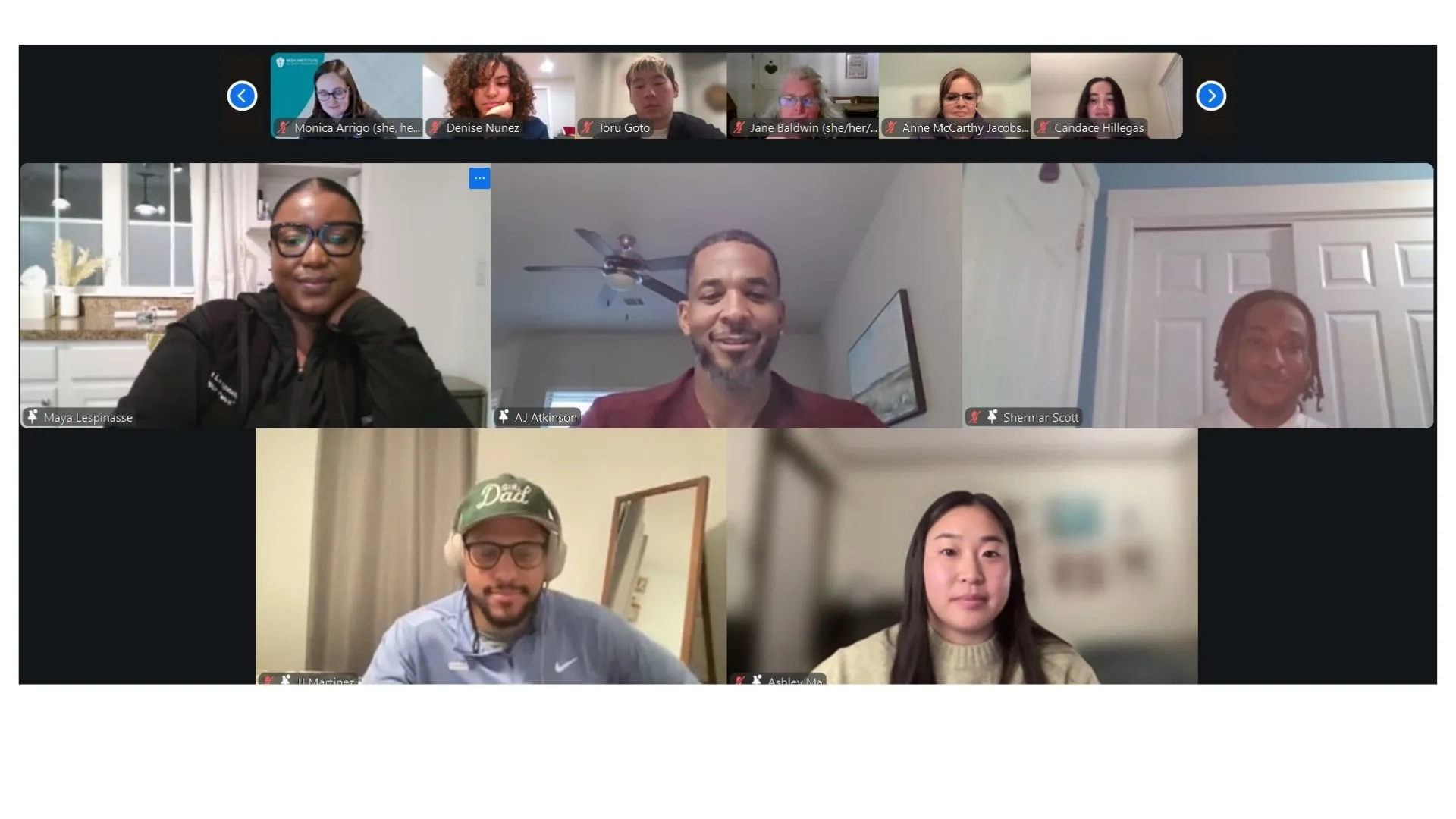


The Department of Physical Therapy hosted its annual Black History Month Alumni Panel yesterday. The panel was organized by student and HEAL Fellow, Ashley Ma, and moderated by student Shermar Scott. The speakers were three alumni of the program: Alvin “AJ” Atkinson II, PT, DPT ‘22, who is currently practicing in outpatient orthopedics in Austin Texas; Maya Lespinasse, PT, DPT ‘19, owner of “How’s Your Pelvis? Physical Therapy and Wellness” in Foxboro, MA, and J.J. Martinez, PT, DPT ‘25, who specializes in orthopedics and sports.
This year’s panel centered on the national Black History Month theme, “African Americans and Labor,” exploring how Black identity and the physical therapy profession shape one another. Reflecting on their journeys from Black healthcare students to healthcare providers, the panelists emphasized representation, education, and accessibility as central to both their professional identity formation and the broader advancement of health equity. Panelists shared the triumphs and challenges of their personal journeys, engaging in honest dialogue about systemic barriers within physical therapy education and healthcare, while identifying opportunities for meaningful change.
Martinez spoke powerfully about his commitment to increasing exposure to the health professions among Black youth, saying, “I need to be in the spaces where young Black men are so they can see my presence and know this pathway (physical therapy) exists.”
Lespinasse passionately described her commitment to addressing the Black maternal health crisis and addressing systemic gaps that disproportionately harm Black birthing persons.
“I want to be a figure for Black women and educate them on how the healthcare system can help them,” she said.
Atkinson described his efforts to address systemic issues within physical therapy through a podcast where he leads conversations with peers and coworkers, emphasizing the importance of mentorship, safe spaces for difficult conversations, and ongoing education to better support Black students and professionals.
Overall, the panelists’ deeply personal stories underscored the importance of visibility, trust-building, and culturally responsive care in advancing equity within education and healthcare for Black communities. They eloquently described how education and advocacy are central to their professional values, the pride they take in their identities, and how Black History Month offers an important time to reflect on why their presence in healthcare matters so deeply. The conversation ultimately served as a call to action for faculty and students in attendance to choose “faith over fear,” as Scott aptly summarized, and to continue striving toward justice in educational and healthcare spaces—even in moments of discomfort and uncertainty.
The panel was a powerful reminder that while the path toward justice is imperfect, meaningful progress is possible when individuals remain committed to advancing healthcare for all communities, particularly those that have been historically excluded and continue to experience marginalization.