

BRIEF: Teresa Kimberley Helps Devise New American Heart Association Policy Statement for How Best to Treat Stroke Survivors
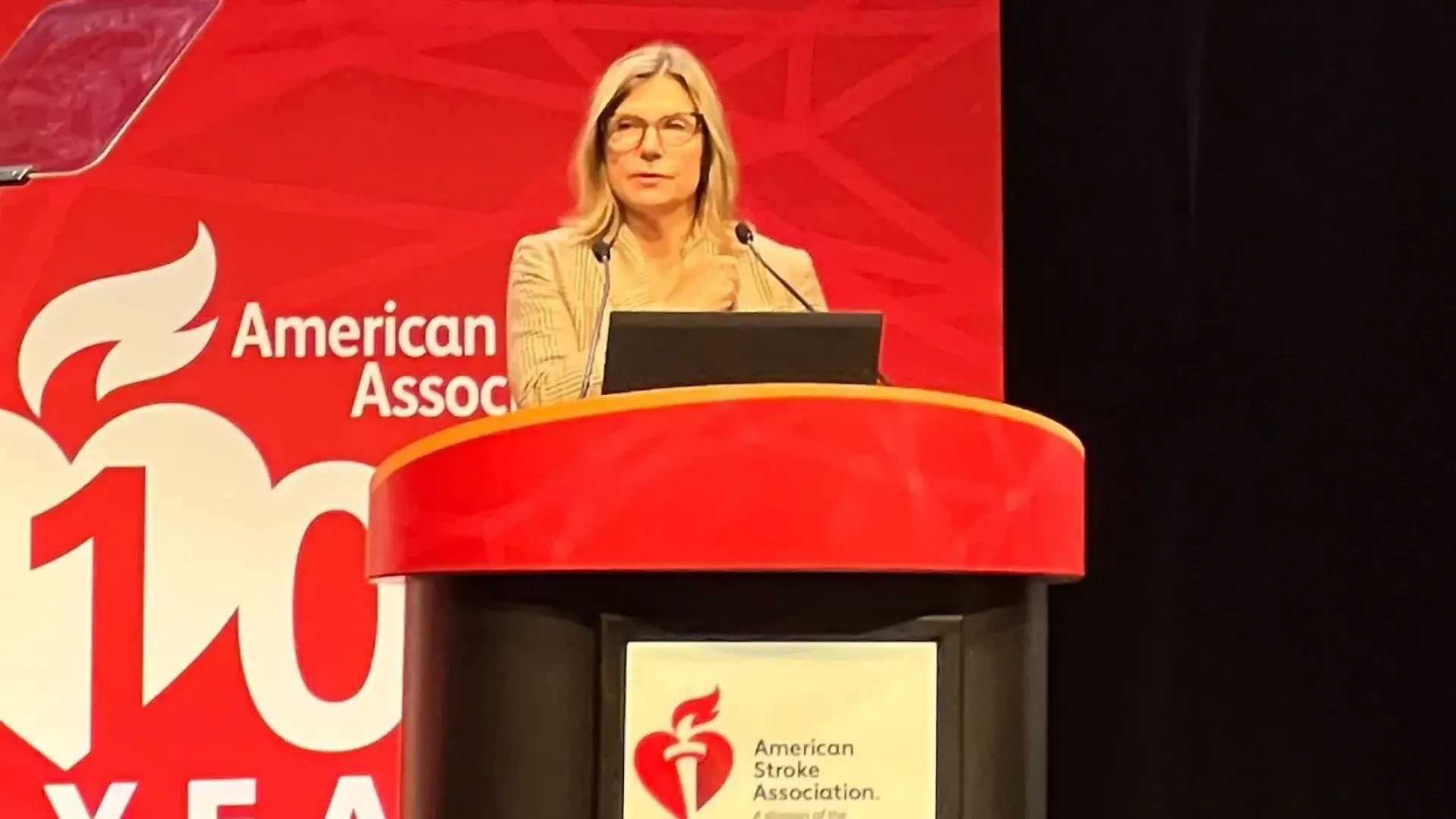


Stroke survivors need to be discharged based on their functional needs, not their zip code, insurance, or a doctor’s cultural competency. That’s why the American Heart Association has issued a new policy statement, with the help of Teresa Kimberley, Director of the MGH Institute’s Brain Recovery Lab.
The policy statement was published in Stroke, the peer-reviewed scientific journal of the American Stroke Association and amplified by the American Heart Association.
Prepared by a volunteer writing group on behalf of the American Heart Association Advocacy Coordinating Committee, of which Kimberley and stroke experts from across the country were part, the policy statement calls for patient-centered stroke rehabilitation, better data, and the need to reduce disparities and improve recovery outcomes.
“It is a sad reality that the rehabilitation care people receive after their stroke is not always driven by what is best for them but is highly influenced by other factors such as where they live and what kind of insurance they have,” lamented Kimberley, a stroke researcher and professor of physical therapy. “Most of the attention and regulation is focused on acute stroke care, but there is little support for transitions in care. Often, stroke survivors and their family members are not even informed about what potential rehabilitation options are. Worse, access to effective post-stroke care is under threat with insurance companies limiting access to the rehabilitation therapies that are known to improve function and reduce disability.”