

BRIEF: School of Nursing Awarded Federal Grant to Expand Mental Health Nurse Practitioner Program
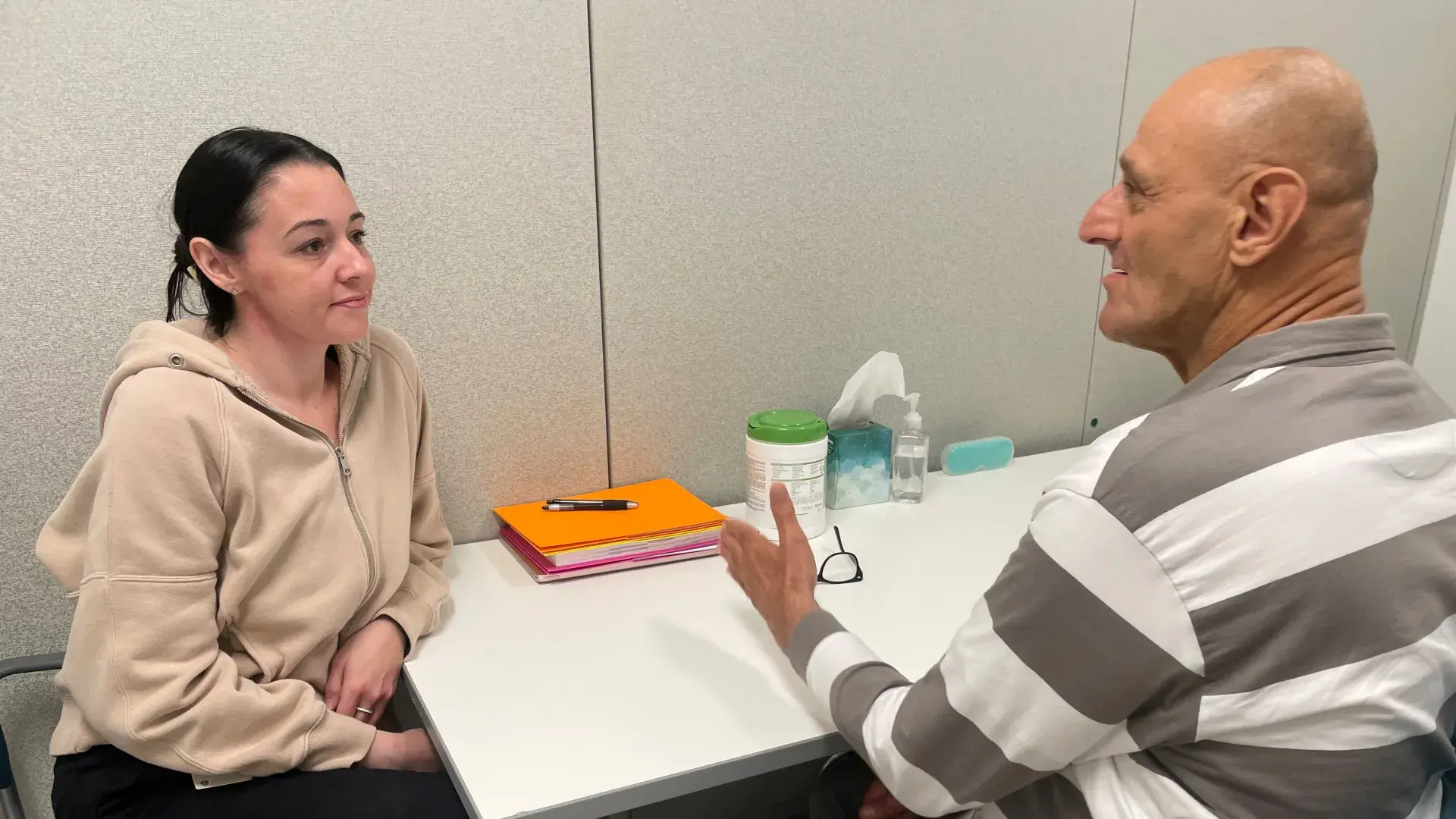


The School of Nursing has been awarded a $2 million grant from the Health Resources and Services Administration (HRSA) to support the expansion of the behavioral health workforce with the Institute’s psychiatric/mental health nurse practitioner program. The Integrated Healthcare Partnership: Bridging the Behavioral Health Gap program expands the academic-clinical partnership of the MGH Institute of Health Professions School of Nursing (SON) with seven clinical and community-based agencies located in high-demand and high-need areas in Massachusetts as a competing continuation grant.
This grant will provide nurse traineeships for 16 psychiatric mental health nurse practitioner (PMHNP) students for the next four years. Building on the success of the School of Nursing’s current funding (more than 50% of graduates are employed in communities with high mental health needs), the grant will expand the School’s clinical partnerships and increase the employment rate of graduates in medically underserved communities (MUC) and rural areas by 20%. Each clinical site offers students a unique interprofessional and integrated behavioral health care model for patients across the lifespan.
“This project aims to address critical shortages in behavioral health services by expanding access to care in medically underserved communities and enhancing the capacity of the behavioral health workforce,” said Pat Reidy, the recently retired interim School of Nursing dean who submitted the HRSA grant. “The project will offer robust faculty, student, and preceptor development programs to augment the delivery of integrated, interprofessional behavioral health services, focusing on curricular and clinical learning activities that promote collaboration across healthcare disciplines.”
The School of Nursing will work with Assistant Professor of Occupational Therapy Mary O’Donnell, who brings a valuable interprofessional perspective in mental health.
The program will engage with children, adolescents and transitional youth to provide education and support. it will also encourage community partnerships to improve outreach and service delivery, recognizing the population's pressing mental health needs. Integrated technology, including telehealth and simulation tools, will be incorporated into didactic and clinical experiences to enhance learning and expand access to care. Additionally, targeted recruitment, retention, and graduation strategies will focus on building a diverse student body, particularly on individuals from MUCs and rural areas committed to serving these communities.
“By addressing gaps in workforce distribution, strengthening interprofessional education, and fostering community engagement,” added Susan Stevens, project director who oversees the psychiatric/mental health nurse practitioner program, “this project will improve access to behavioral health services for at-risk populations and advance the mission of health equity.”