A Bridge to a Better Life for Heart-Failure Patients
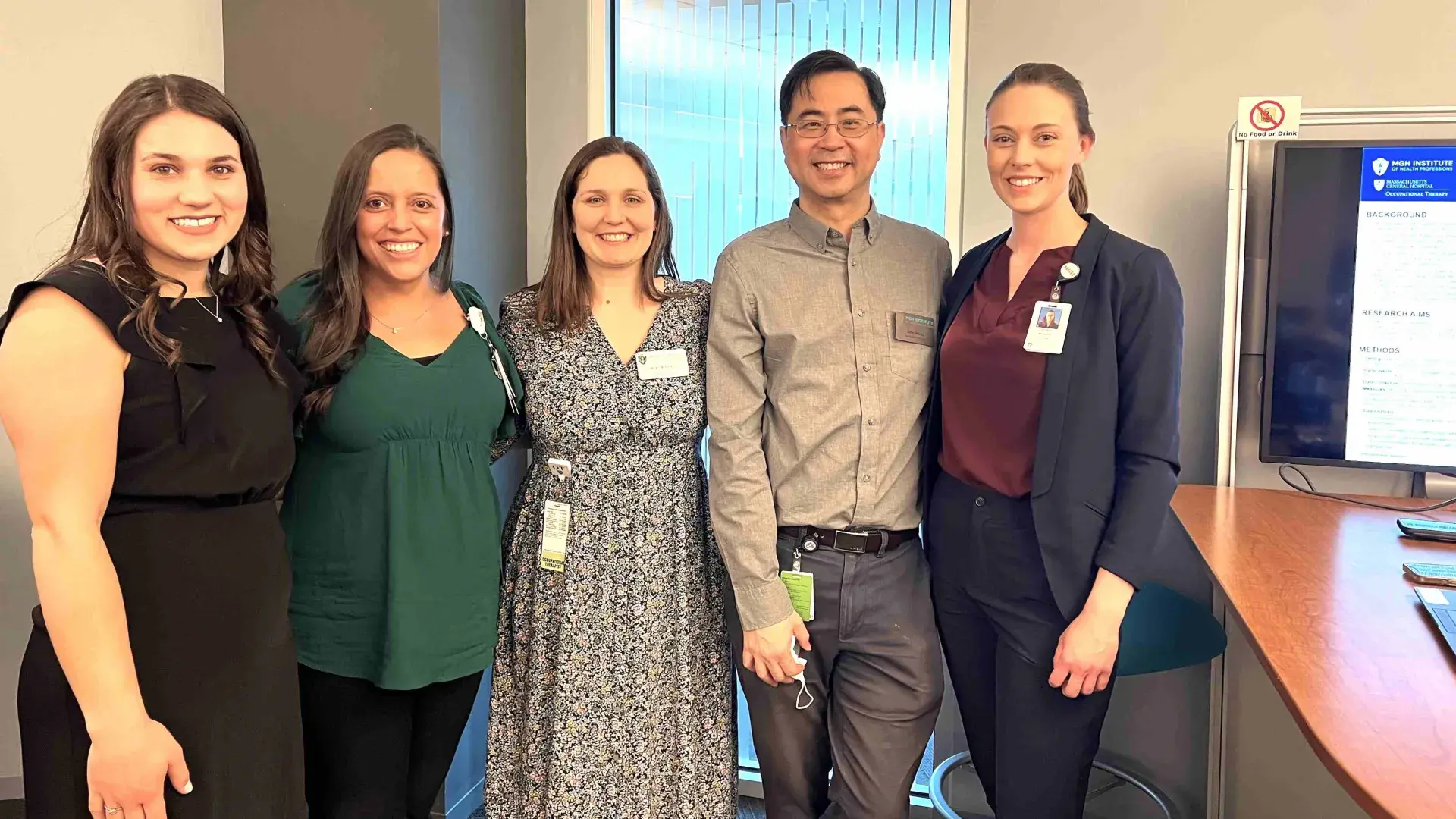


Research by MGH Institute team shows how occupational therapists improve outcomes by being involved in care plans early on
Traditionally, patients with end-stage heart failure would work with an occupational therapist only after it was determined they would get a pump, called a left ventricular assist device (LVAD), that would act as a short-term bridge while they waited for the possibility of having a life-saving heart transplant, or as a longer-term permanent way to extend their lives.
But a team at Massachusetts General Hospital, including Jessica Asiello, an assistant professor of occupational therapy at the MGH Institute, saw things differently. They thought that these end-stage heart failure patients could have far better outcomes if OTs were involved during pre-operative evaluations when interprofessional teams that included physicians and nurses were determining whether or not a patient was a candidate to receive the device. Pre-operative occupational therapy could also allow for earlier planning to support patients’ abilities to return to their life roles and routines with an LVAD.
“Everyday living with the LVAD is complex, particularly for people with physical or cognitive impairments or limited social supports,” said Dr. Asiello, noting that the pumps require constant attention because they must operate 24/7 to keep blood flowing through the body. “Being part of those conversations really early in the process, we felt we could identify family members or people in the community to help them if needed, or look at possible adaptations to the device or individual strategies to help them be more independent.”